Keep Up Your Hobbies to Stay Young at Heart!

“10 years ago, I would have caught that ball!”

As my softball teammate cursed at himself, letting a fly ball sail past his reach. My teammate compared himself to how the younger version of himself playing little league baseball.  Spry, young, energetic, and unhindered by injuries and the stresses of life. Perhaps a sedentary lifestyle of his career, becoming a family man, and the lack of time devoted to fitness left him not as athletic as he once was and a little overweight.

A younger version of ourselves doesn’t include the hardships of our current everyday lives.  Challenging interpersonal relationships, parenting responsibilities, or financial obligations were absent in our younger days.  Minimal responsibilities made it simple to focus on being athletic and participate in hobbies, sports, and extracurricular physical activities.  Sure, aging can do a number on the body and mind.  However, if you let a jalopy from the 1940’ssit stagnant in the driveway for years, it’s going to be quite the challenge to start back up.  Our bodies work the same way, especially with father time officiating the game.

The silver is lining is that the soul can remain young.  As my softball teammate chased that ball down, his youthful energy remained prevalent in his subconscious.  The desire to continue hobbies and physical activities is the true medicine that keeps us young at heart.  If we want to stay young and combat age, we need to keep doing the playful activities that maintain our exuberance.

We’re all familiar with the deleterious effects of aging.  Our bone structure starts to deteriorate as osteoporosis kicks in, leaving our bone mineral density less concentrated when we were kids.  Decrease in muscle mass occurs, which can affect our overall strength.  Challenges to maintain coordination and balance becomes an issue, increasing the risk of injury or falling.   Gaining unwanted fat mass is increased due to the demand of adhering to a sedentary lifestyle with our careers.  Desk jobs and commutes can cripple us as our bottoms get glued to our chairs, propagating underuse injuries, unwanted fat mass, and cardiovascular disease.  It’s a double-edged sword as we advance in age when the body slows down and stress effects our lifestyle.  These conditions are obviously suboptimal.  However, most of the time age hits people like a ton of bricks when they stop participating in their physically active hobbies.

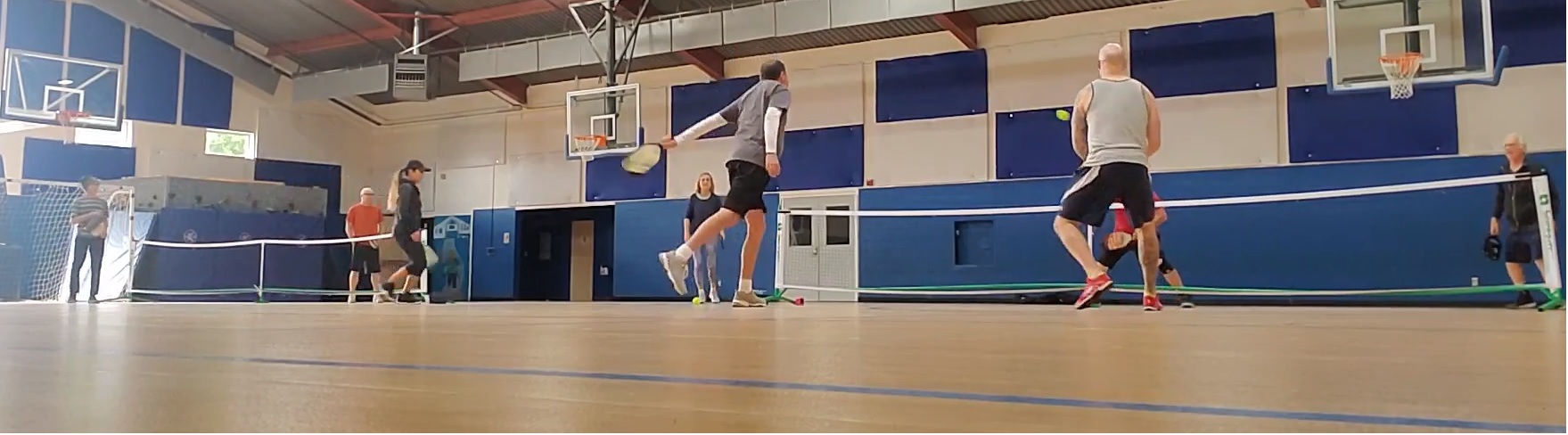
Senior division recreational slow pitch softball, dancing with a partner, hiking, Tai Chi, Yoga, pickle ball, and tennis are all reminiscent to what may have been done for fun in our adolescents or young adulthood.  Little league baseball, high school tennis, gymnastics, martial arts, or dancing with friends was very popular in our youth.  These activities are part of the same category to older adult activities, just in a different spectrum.  For example, gymnastics are for young people up to age 25.  Yoga is somewhat of the same activity, just more forgiving on the joints and less intense for someone who has endured the stresses of aging.  There is cornucopia of fun physical activities that can be enjoyed.  The body of a 15 to 25-year-old is structured different from someone who is 40-50-year-old.  However, both bodies thrive from moving for the sake of enjoyment.  This is one of the most important lessons we tell our personal training clients in Napa.  Stick with physically active hobbies you enjoy, and you will stay young.

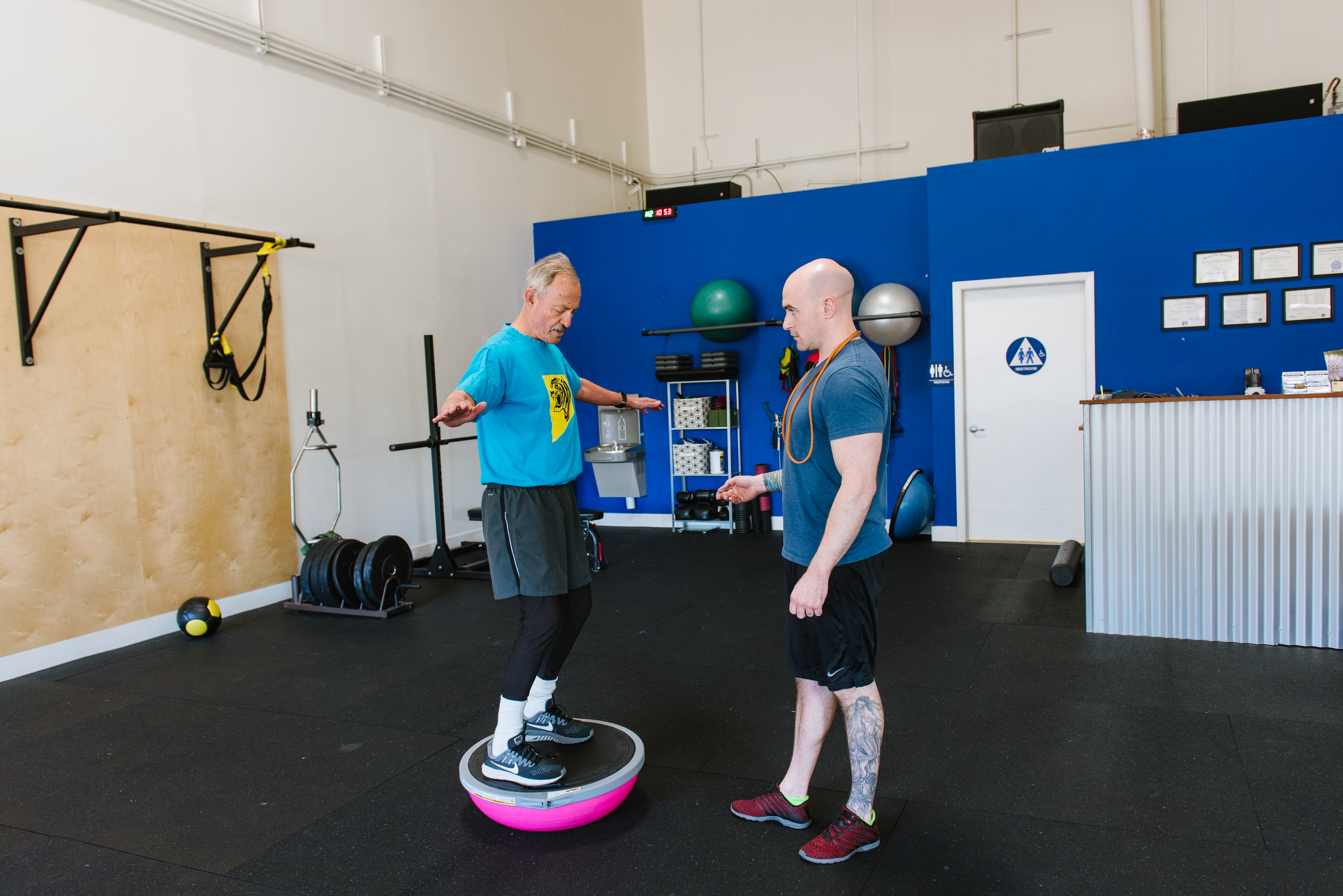
These physically active hobbies organically contribute to improved strength, balance, and coordination.  The side to side movement of softball, pickleball, tennis and dancing help with proprioception, balance and overall body awareness.  Tai Chi and yoga contribute to balance in a stationary position and decrease injury with attention to healthy posture.  Heart health, ankle, and knee injury prevention are normal adaptations from dancing, biking, walking and hiking.

The “key to the fountain of youth” is always up for discussion.  If you every find it, let me know.  However, my softball teammate mentioned at the beginning of the article had heck of a time catching that fly ball.  Who knows, maybe I could’ve chased it down and caught it..  However, my teammate was 20 years older than me.  I thought to myself, “Sure, he missed it.  But he’s been chasing that ball down and cursing at it 20 years longer than I have.”  He’s still chasing that ball down.  He probably will be for the next 20 years too.

So how can we stay young and healthy?  We can exercise regularly, eat healthy, and stay free of disease.  However, it we look at my veteran softball teammate, one thing is obvious about staying young.

Keep chasing after that ball and keep having fun.

Sean McCawley, the founder and owner of Napa Tenacious Fitness in Napa, CA, welcomes questions and comments. Reach him at 707-287-2727, napatenacious@gmail.com or visit the website napatenaciousfitness.com.
Popular Exercise Trends as Time Goes On

As we age, we enjoy various forms of physical activities to keep us occupied and fulfilled.  It’s fun to engage in a pickup game of basketball, softball, or tennis.  However, as decades go on, we can find ourselves less entertained with activities we embraced 10 or 20 years ago.  From year 20 to 80 years of age, changes are affected by relationships, career path, or moving to a different location.  A tennis club 30 miles away seems unappealing compared to previously living in a town with organized tennis down the street.  Taking a job requiring a commute and 50 hours a week, it’s easy to pack it in for the night and skip your traditional recreational physical activity.

Then we have the big elephant in the room affected by aging. Our bodies.  About every 10 years or so, we might notice our bodies don’t function like they used to.  Aching joints, increased soreness after exercise, and the perception that you may have slowed down, makes that activity less desirable.  A problem arises within these scenarios where physical activities become dormant due to the factors associated with aging. might become dormant.  People might stop moving when posed with the obstacles aging brings.

Let’s not put a damper on aging through.  There are opportunities right in front of us waiting to be picked up like employers seeking job applicants over LinkedIn.  As we age, we need to keep moving to enjoy our lives while being able to see all the beautiful gifts the world can bring as after our kids move out, the mortgages are paid off, and we retire.  Here’s a list of some new, popular, and exciting fitness trends that are ready to get devoured like hotcakes on a Sunday morning.

  1. Pickle Ball: If Ping Pong and Tennis were to meet in college and have a love child, you would get Pickle Ball.  This game lasts an average of 10 minutes per game and uses a court half the size Tennis uses.  You get to smack a whiffle ball with paddle 90% lighter than a tennis racket at your opponents.  The best part is, your opponent won’t get hurt, and you won’t either.    Being hit by a whiffle ball is like getting hit by a marshmallow.  The mechanics are simple and easy to learn.  In fact, the game is based on making sure that participants can adapt to a learning curve on a level playing field of both beginning and intermediate players.  The limited number of steps backward and forward supply some much needed cardiovascular exercises while limiting excessive overuse and stress on joints.  Most importantly, Pickleballs culture is based around a non-judgmental and welcoming atmosphere ensuring everyone around has fun.  If you are looking for something new that includes social and physical improvements to your life, stop by the Pickleball courts.  You might see me out there looking for a teammate.
  2. Tai Chi: A fast growing “martial arts meets meditation” style of physical activity offer classes led by certified leaders in this calm yet challenging lesson of movements.  Tai Chi classes are becoming abundant because people are seeing improvements in their balance, cardiovascular health, and decreased anxiety.  This guided form of martial arts emphasizes slow and controlled breathing with some of the movement being performed with the eyes closed.  More people are choosing Tai Chi as a new form of exercise because it is a low impact, relaxing style of fitness that calms stresses from the day and previous years of life.
  3. Yoga: Branching off Tai Chi, Yoga classes are appearing all over the map like drops of rain on a windshield driving through Seattle.  Yoga is yet another form of exercise that welcomes advanced age individuals to enjoy stationary poses that challenge both technique and physical condition.  Progressing through different levels of poses and sequences is easy on the joints while still allowing for positive adaptions to strength, mobility and decreased pain.  The community and culture of Yoga is a welcoming way to try a new form of physical activity that helps people to thrive through, practice, mediation, and calming music.

One of the biggest threats of aging and exercise is decreased interest to continue moving because it’s boring or painful.  A hallway of doors waits to be opened via the path of physical activity.  The path to less pain, excitement, and an overall good time in life is waiting for healthy older people to embark on.  So, take a look around at these new and exciting trends of culture and physical activity.  You never know what your next healthy addiction could be for the next 10 years and then some.


Sean McCawley, the founder and owner of Napa Tenacious Fitness in Napa, CA, welcomes questions and comments. Reach him at 707-287-2727, napatenacious@gmail.com or visit the website napatenaciousfitness.com.

Eccentric Exercises: Less is More!

We all remember the story of the tortoise and the hare.  If you haven’t, go ahead and grab a kid’s version of The Tortoise and the Hare from the Napa County Library and you’ll find out the origination of the term “slow and steady wins the race.”  As an ambassador of lifetime fitness with a mission to guide my friends, family and clients to live happy and sustainable lives, I ensure to keep this theme in mind with every health and fitness lesson I promote.  If we want to accomplish living a happy, healthy and strong life for the long run, we need to ensure our bodies can be productive 30 years down the line even though pain and injury might slow us down.

Moving at high speeds can mean we get more work done in a little amount of time.  However, this also imposes more stress to a situation.  Picture a NASCAR stock car tearing down the raceway.  Sure, they move at lightning fast speeds, but they must change their tires after every race.  Fortunately, those high-performance race cars moving at impressively high speeds also have pit crews ready to change those tires that have been super-heated by the track in a matter of minutes with brand new fresh tires from the shop.  Wouldn’t it be nice after playing a season of recreational tennis if a pit crew showed up to our door with a brand-new elbow to replace the tennis elbow injury that developed over playing 2 nights a week of tennis in your mid 50’s?  Please nod your head yes.  However, the human body wasn’t designed that way.  After an injury, the body will likely not perform or recover the same.  Even after corrective surgery to a significant injury, it takes significant rehab and years to get return to optimal performance.  With the threats of wear and tear after recreational sports, our careers, and advancement of age, our bodies will experience pain that could impede us from continuing to move and do what we enjoy.  This doesn’t always have to be the case.

Luckily, there are forms of exercise that can assist us in still enjoying our hobbies and recreational physical activities.  A theme that we focus on with our personal training clients in Napa is injury prevention, rehabilitation, and future proofing.  A very effective mode of exercise that we implement throughout our exercise prescriptions with our personal training clients are eccentric exercises, the slow and controlled lowering movement of an exercise technique.  An example of an eccentric lower body movement is an eccentric chair squat.  To perform, place a chair behind the body and slowly lower the hips in a squatting movement for a count of 5 seconds until fully rested on the chair.  Then squat up to the initial position.  An example of eccentric movement for the upper extremity is an eccentric push up from the knees.  To perform, position the body face positioning the elbows straight under the chest and the knees resting on the ground.  Slowly lower the torso to the ground for a count of 5 seconds, ensuring the hips are lined up with the back and there is no curvature in the spine.  When the elbows have become in line with the ribs, push yourself up to the starting position.  Both exercises can be performed for 3 sets of 5 repetitions each.

A benefit of performing eccentric themed exercises is the lack of repetitions put on the body.  Exercise stress is still being put on large groups of muscles, however mechanical stress on the joints are reduced.  After suffering from an injury or recovering from a surgery, this low impact-low stress activity is a useful solution to keep the body moving while productively returning to an optimal state of human movement.  Eccentric exercise can be perceived as “slow motion” training.  Similar amounts of work will be produced, just in a slower amount of time.  This slower, less stressful style of exercise will help to keep the affected joints safe, while maintaining lean muscle mass and strength as the afflicted area heals.

The idea of lifetime fitness is to keep moving happily through life.  Being able to enjoy your hobbies, play sports and recreational activities with friends, and participate in social functions is what sustains us to keep living.  However, pains and unexpected injuries happen all the time.  We always encourage challenging exercise to keep the body healthy and strong.  However, listen to the body when a pain signal says that you’ve had enough.  Give the body a chance to recover while still exercising and being productive.  With eccentric exercise, an individual can continue to move and return from an injury sooner if implemented correctly.  Just like the tortoise and the hare, this is a long game we play in life.  There are a lot of new, exciting places that we can take our bodies.  You’ll get there, just don’t go too fast.

“Slow and steady wins the race.”


Sean McCawley, the founder and owner of Napa Tenacious Fitness in Napa, CA, welcomes questions and comments. Reach him at 707-287-2727, napatenacious@gmail.com or visit the website napatenaciousfitness.com.
Here’s to a Fit and Healthy Memorial Day!

Monday May 27th marks Memorial Day, a day of homage that we pay our respects to the departed brave people of the military who have served our country through the generations to make our nation great.  Part of this tradition is to express our joy and exuberance participating in parties and BBQs with friends and family.  These events feature extravagant food and drinks, creating a memorable experience.  Popular foods such as burgers, hot dogs, ribs, potato salad, and a spread of cakes and cookies make their way onto our plates.  Raising a few bottles of beer to our friends and family, clanking bottles together as form of celebration and gratitude makes beer a popular item at Memorial Day parties.  Let’s not forget about a few glasses of the Napa Valley’s elegant wine from the finest place on this side of the world making its way to a Memorial Day party.   An important cultural holiday calls for a grandiose display of food and drink.  However, we all know that too much food and the consumption of too many alcoholic beverages can significantly impact our healthy lifestyle habits.  We want to go to a fun party, but how can we taper back on glutinously overconsuming while still enjoying ourselves?

Our personal training clients in Napa consult with us about similar issues.  The constant obligation to go to social events, both social and work related, offer challenges to make healthy eating choices.  Such events have rich food and copious amounts alcohol.  A solution that we offer to our lifetime fitness coaching participants is to plan to ensure to include a session of exercise or physical activity the of day a social event that offers food and alcohol.  A workout or participating in a significant form of physical activity that stresses the body and increases the heart rate will put the body in a fat burning and absorptive state.  Lean muscle and connective tissue stressed by exercise are more likely to consume calories from food so muscles repair, becoming leaner and stronger.  The increased oxygen consumption required after a bout of exercise promotes utilization of fat in the system as a fuel source.  Additionally, exercise and physical activity promote positive mindsets and outlook by improving confidence and motivation.  Exercising the day of social gathering is a fantastic way to set the tone with a positive mental attitude.  Who doesn’t want to feel confident and happy at a party?  Lastly, by including exercise on the day of a party offering questionable food decisions, the mindset of improving one’s body at the beginning of the day with a bout of exercise might positively influence beneficial food decisions when being surrounded with decadent food and alcohol.

We teach out personal training clients in Napa to refine their diets by making good decisions in portion size by using the palm of the hand as a measuring device. When unsure of how much food might be too many calories, ensure to measure a handful of protein and a handful of carbohydrates.  While there a variety of tasty Memorial Day BBQ food available, a good solution might be to use your hand as measuring device for each tasty food.  Maybe split a burger in half.  Think about how many ribs can fit in one hand.  You don’t need a ladle full of potato salad or ice cream, perhaps you can think about how much can fit into the palm of your hand.  Portion these throughout your plate to limit overeating.

The bigger elephant in the room when it comes to having too much of a good thing on Memorial Day points to alcohol consumption.  Beer and BBQs go hand in hand.  I’m sure we are familiar with how the overindulgence of alcohol effects the body.  Not only do we suffer from a splitting headache the next day, but we also promote the overconsumption of calories that can lead to excess fat storage.  A popular solution to match one serving of alcohol with one serving of water.  This will not only fill the stomach with liquid, limiting the ability to put too much alcohol in the system, but drinking water regularly through an event with alcohol will mitigate the diuretic effects that alcohol has on the body.  Dehydration is detrimental to health which can solved by ensuring to drink water after each alcoholic beverage.

Who wouldn’t want to celebrate with food and drinks on such a monumental day?  We don’t need to hold back and abstain from drinks and foods that have traditionally contributed to a magnificent time.    So, go celebrate.  Just don’t go off riding on a dragon.  We must live strong and healthy lives to make sure we have a healthy nation not only for the next Memorial Day, but for years to come.

Sean McCawley, the founder and owner of Napa Tenacious Fitness in Napa, CA, welcomes questions and comments. Reach him at 707-287-2727, napatenacious@gmail.com or visit the website napatenaciousfitness.com.
Fitness in Napa: Exercise is Medicine

The general population is faced with cardiovascular disease, metabolic diseases, the overweight epidemic, and the advancement of age.  Incorrect management of these factors and lead us to less enjoyable lives.  The threat of high blood pressure, prediabetic conditions, high body mass index (BMI), and high cholesterol levels lead people to turn to medication from the doctor’s office as the solution.  While medication can be helpful, side effects can occur, leading to the vicious cycle of taking more medication.  Worst off, an unhealthy dependency of medications to cure simple ailments can develop.  Doctors enjoy helping people in need by prescribing the appropriate medications.  However, I doubt they want to be a part of introducing an unhealthy addiction by enabling people to take a pill whenever a problem arises.  To get away from this chemical romance to cure the above stated detrimental conditions,  why not focus on the theme of improving oneself through what a path of life time fitness that offers happiness, longevity and the of continuing to the people you care about while staying out of the doctors office?  This can be accomplished through the prescription of exercises and physical activity.

Our personal training clients in Napa approach us with a need to remedy these conditions caused by inactivity and neglect to fitness.  Their goals are to improve their lives without using prescription drugs.  As lifetime fitness coaches, this is music to our ears.  We coach personal training clients to find sustainable tactics throughout physical activity to decrease the threat of cardiovascular disease, arthritis, and metabolic syndromes.  Physical activity significantly contributes to fending off these conditions.  Controlled compressive forces by way of resistance training and exercise specific movement increases lean muscle to support bone structure and reduce the likelihood of injury.  Resistance training and controlled exercise utilizing proper form and technique also increases bone mineral density, further reducing the development of arthritis and degenerative joint disease.  Constructively increasing heartrate with regular cardiovascular exercise circulates oxygenated blood through the heart and arteries, utilizing oxygen to produce energy so the body can function properly.  Resistance training promotes insulin sensitivity, meaning the body can regulate insulin and blood sugar efficiently, further decreasing diabetic conditions.

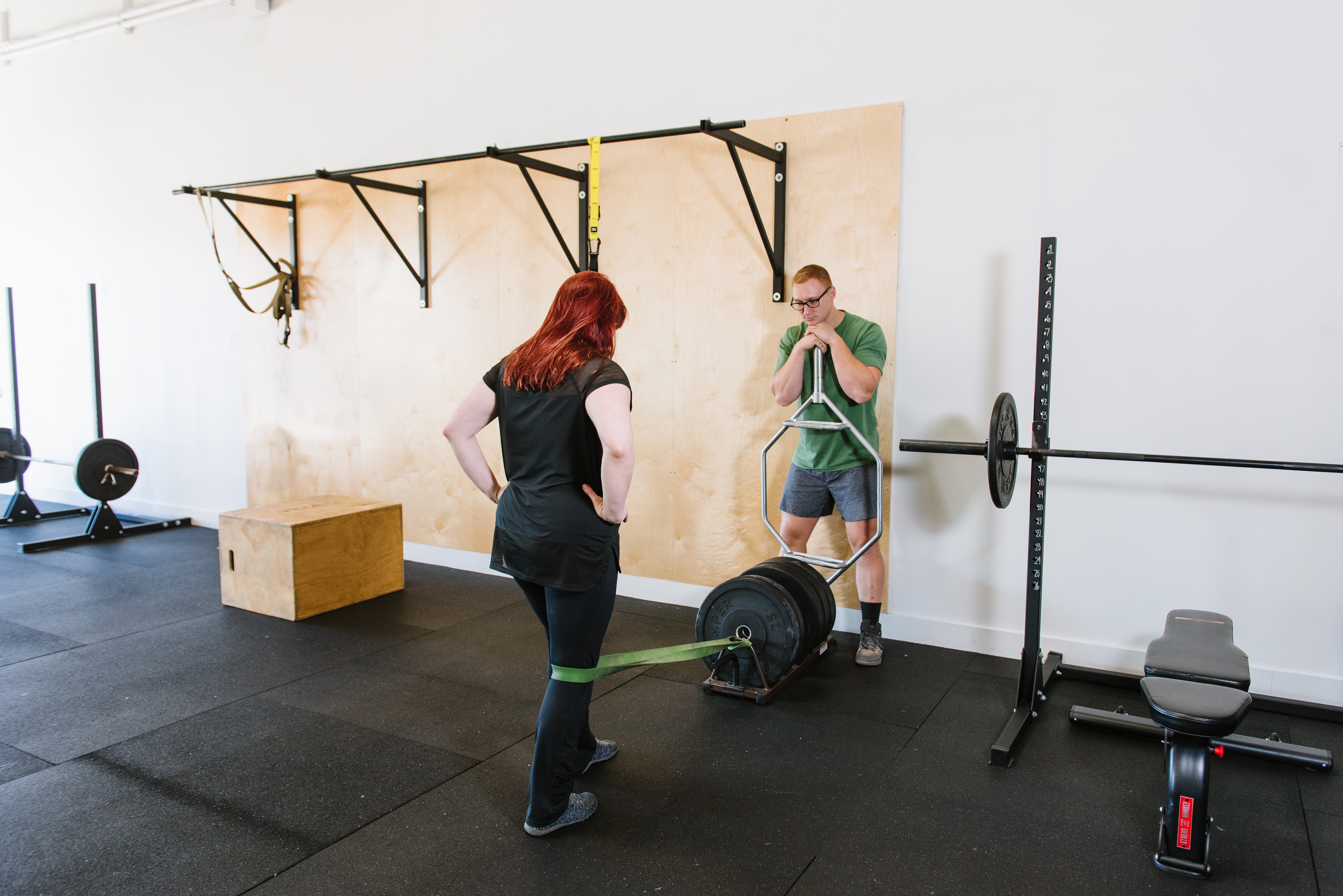
We work with our personal training clients in Napa to have exercises prescriptions which we call “ExRx.”  These ExRx’s focus specifically to improve the client’s fitness levels, treat their history of injury, and pave a path their goals to combat metabolic conditions their current medicine is treating.  In fact, our goal is to eliminate prescription medications completely with regular exercise, sustainable physical activity, and an optimal diet to nourish the body and fight disease.  If we can train more people to utilize exercise as medicine for detrimental conditions that can be cured by movement, we have struck a gold mine in our society.

Exercise as medicine is promoted by medical professionals to decrease the need for medications.  Doctors want us to live happy lives free of illness.  They already deal with a plethora of severe problems that need increased medical support and attention.  So why not give the doctors a hand by lightening their workload while also improving our lives?  Give yourself the gift of exercise to prevent illness and injury.  Ditch the pills and dependency of doctors to cure a condition that can be fixed by focusing on your health and fitness.  Move, interact, be strong and enjoy life. Use exercise as medicine to live a long, happy, and strong life.

Sean McCawley, the founder and owner of Napa Tenacious Fitness in Napa, CA, welcomes questions and comments. Reach him at 707-287-2727, napatenacious@gmail.com or visit the website napatenaciousfitness.com.

DIY Home Workouts!

Napa’s local gyms offer benefits to many of the town’s inhabitants.  Synergy, Health Quest, and INSHAPE offer small group fitness classes at various times throughout the day.  These classes are led by certified fitness professionals that guide participants through a unique array of exercises including high intensity interval training (HIIT), Yoga, and step aerobics.  These planned out sessions give the participants something to look forward to when they make their way to the gym.  The chemistry alone with a specific fitness instructor can be enough to motivate people to get some much-needed exercise.  Additionally, attending scheduled classes have a great social aspect to them.  It’s a blast to be able to listen to upbeat music and workout next to someone you relate to.  The weekly schedule of classes also gives exercise participant the ability to plan when they are going to exercise.  These local gyms also have a variety of equipment available for participants to utilize.  Access to the state-of-the-art weight machines and cardio equipment are a great way to support the community in improving their strength and cardiovascular health.  Pools and hot tubs that are properly maintained and can be utilized for exercise.  Aquatic fitness is beneficial for individuals suffering from previous injuries or conditions that might limit them from going to a class or the weight room.  Unfortunately, not everyone in Napa has a pool to perform an aquatic fitness routine.  With a pool readily available at one of these local Napa gyms, aquatic fitness is accessible.

The features a local gym offers is beneficial to participants frequently attending the gym.  However, what happens when you can’t get to the gym?  A long 9 to 10-hour day at work makes that drive across town and the masses of people at the busy hour of the gym a daunting task.  Perhaps the idea of interacting with people just isn’t in the cards. These circumstances create an aversion toward attending the gym.  When we can’t go to the gym, exercise can hit the back burner.  How can we fit exercise in when attending the local gym is out of the question?

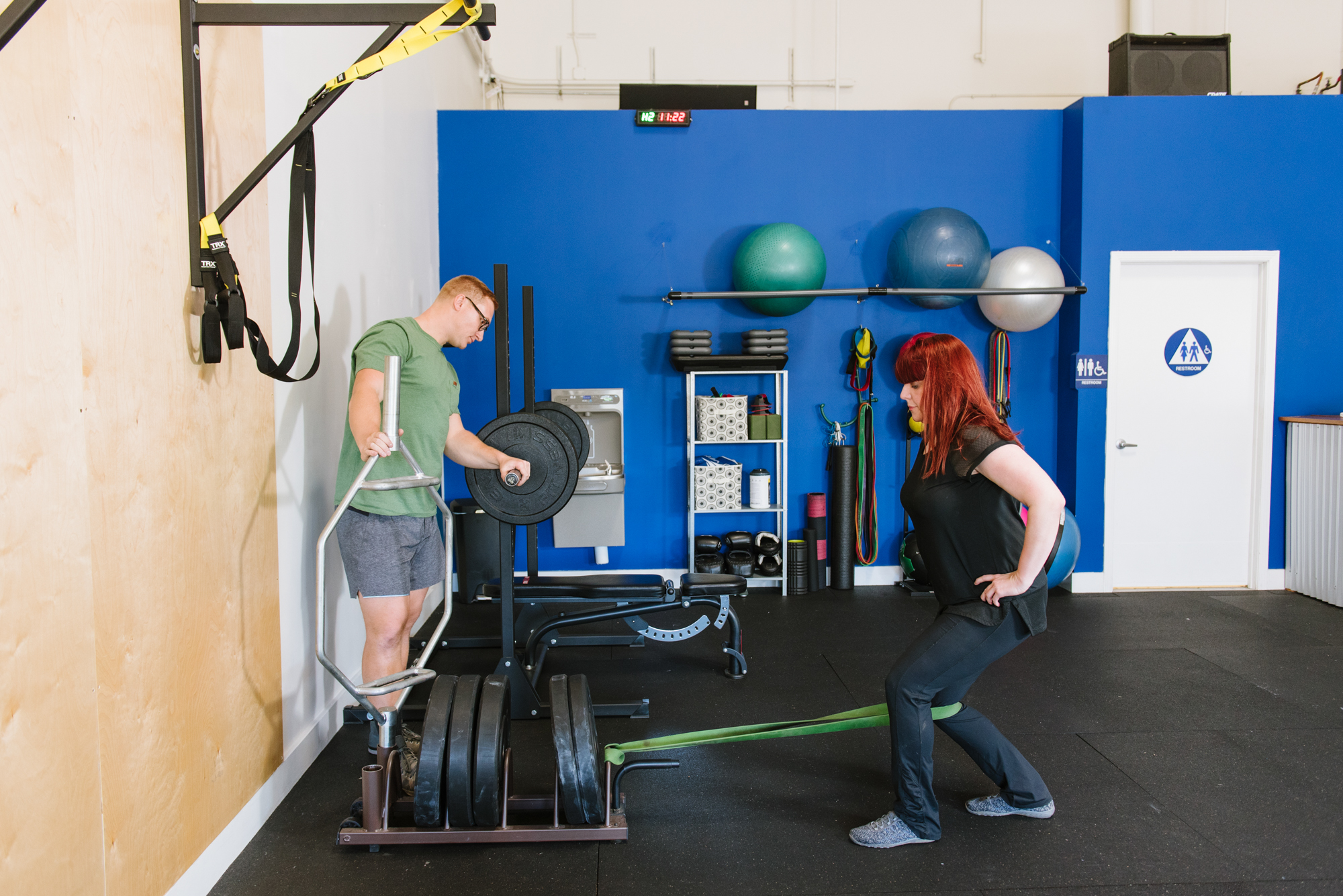
We hear this issue quite often with our Napa personal training clients.  A solution we teach our clients is the ability to create at home workouts that can done in their house.  After a few sessions of learning proper form and how to properly perform exercises in the correct order, our personal training clients can create a DIY fitness homework routine.

In order to create an efficient and effective DIY fitness homework routine, we ensure that our personal training clients include 3 critically important components into their fitness homework routine:  flexibility, strength, and cardiovascular modes of exercise.  Here are some examples of techniques that can be done at home with little to no equipment within the 3 main categories:

  1. Flexibility Incorporating a dynamic stretching routine is a great way to start any workout. Movements such as crossing the arms across the chest, hoopla hoop hip movements, and leg swings to accentuate a stretch in the shoulders and hips are a great way to get blood flow to working muscles, improve maximum range of motion and produce synovial fluid to lubricate joints.  This a great injury prevention technique that not only helps improve flexibility, but also improves balance. Include active stretching, balancing techniques, and coordination exercises in this section.
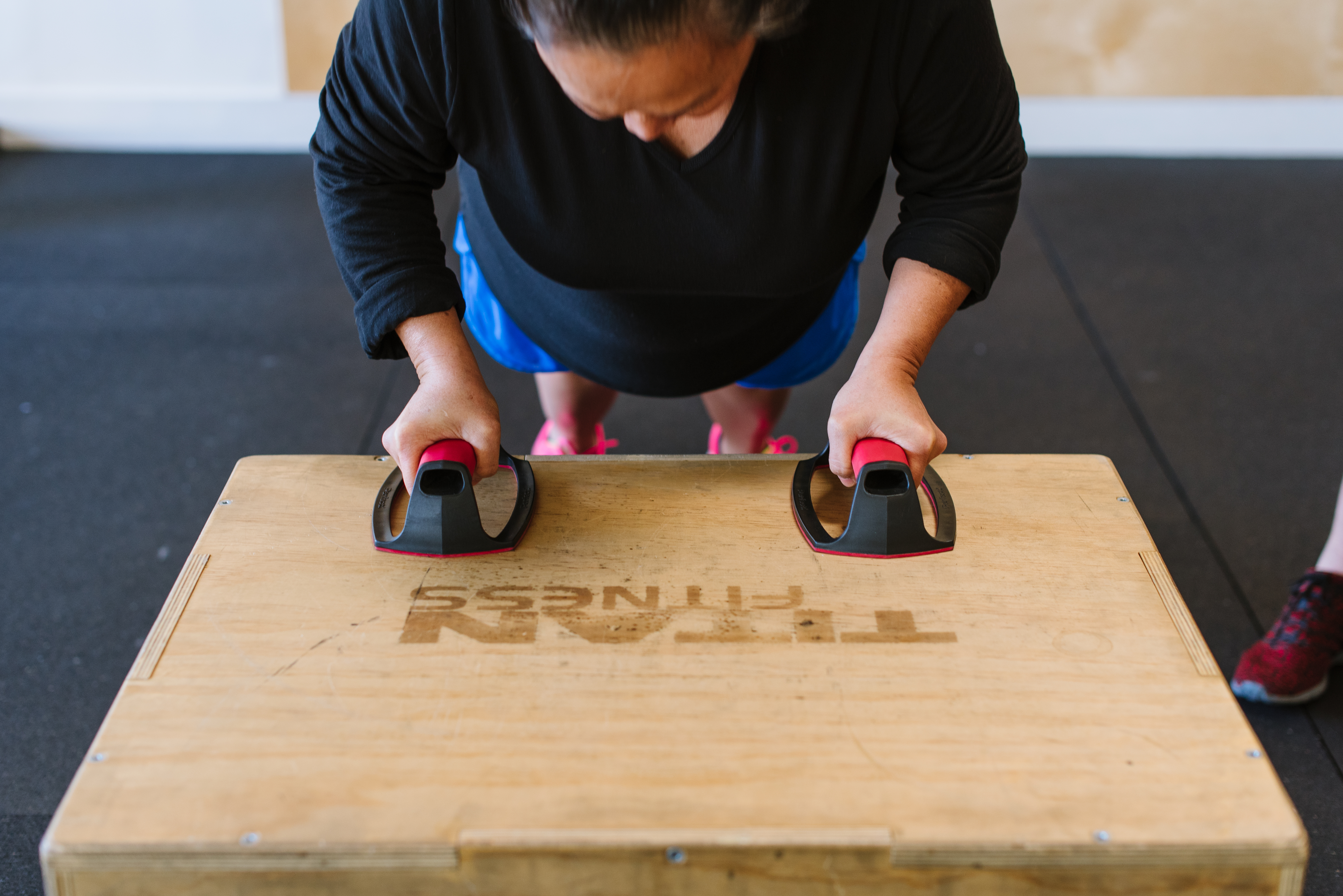
  2. Strength: Some of the easiest body weight exercises to do at home are squat, push up, and plank movements.  For the squat, you can use a chair to settle your weight on and then squat up.  Or you can perform the traditional squat with out a chair to spot you.  Any push up or plank movement can be applied to various fitness levels.  If you’re just starting out, perform your pushups and planks from the wall.  When you have developed mastery and competency of the push up from the wall, perhaps you can move to a counter top, or even the ground with your legs extended for a real challenge.
  3. Cardiovascular: Anything form performing a jumping jack to hiking up and down a set of stairs for 5-10 minutes is a deceptively effective way to achieve a heart rate response.  Simple techniques such as these can create beneficial adaptations to anyone’s cardiovascular system and assist in preventing cardiovascular diseases.

To promote DIY fitness homework programs, we ensure that our personal training clients have body weight exercise knowledge in their back pocket.  Being able to perform fitness homework on the fly is an invaluable technique to aid people in maintaining their life time fitness. We never want to miss a workout.  With the ability to create a DIY fitness homework routine, we can ensure that we adhere to our much need 3 days of exercise per week.

Sean McCawley, the founder and owner of Napa Tenacious Fitness in Napa, CA, welcomes questions and comments. Reach him at 707-287-2727, napatenacious@gmail.com or visit the website napatenaciousfitness.com.
Warming Up Will Decrease Delayed Onset Muscle Soreness (DOMS)

Exercise assists the functionality of our bodies in our lives.  Examples include being able to pick up heavier objects, giving us the ability to help our friends move things, or improving our balance.  Regular exercise also helps to decrease the likelihood of injury such as strengthening ankle joints to avoid rolled ankles or improving back posture to avoid neck and back pain.  An active exercise routine helps avoid the threat of becoming overweight, developing metabolic disease such as diabetes, or contracting cardiovascular disease.  However, along with regular exercise comes another uncomfortable component.  The feeling of soreness and tightness a day or two after completing an effective bout of exercise, more commonly known as delayed onset muscle soreness (DOMS).

The feeling of DOMS can cause dull aches and pains.  Intense cases of DOMS following a workout can impede the functions of everyday life.  When we receive a feeling of soreness that makes us worse than before we worked out, it defeats the purpose of regular exercise all together.  We have seen people deviate away from exercise because of the fear of being so sore they can’t function in the daily activities they enjoy.  This is not what we want from regular exercise.  Fortunately, the prolonged effect of DOMS is curable with a few mindful techniques added into your exercise routine.

Our personal training clients in Napa approach us with similar inquiries.  A common question we here from our Napa gym goers is, “How can I make my soreness not last as long?”  Some of the best ways to counteraction the deleterious effects of DOMS is a balanced diet, structured exercise routine, and plenty of rest. However, before we venture into these factors to manage DOMS, we ensure to ask a question about the lower hanging fruit of success that is commonly overlooked by most exercise participants in their current exercise routine: “Are you warming up?”

We include a portion in our Napa personal training clients exercise prescription called “movement prep.”, which is a fancy term for “longer warm up.”   Our newer personal training clients say, “Yes, I warm up.  I take a jog on the treadmill or spend a few minutes on the elliptical.” Or “I might do some jumping jacks or something.”  While these techniques are better than just traveling to a local Napa gym and using the weight room machines unprepared, there are still critically important movements that are necessary to any warm up routines that need to be addressed.  With a proper warm up, the time that DOMS is experienced will significantly decrease.

During our movement prep. routines, we execute with our Napa personal training clients; we ensure to perform a series of dynamic stretching movements.  This dynamic stretching routine activates the muscles of the neck, shoulder, core and lower extremities.  Performing a series of movements in commonly used areas of the body innervate and engage muscles, priming them for exercise.  In addition to a dynamic stretching routine included in the movement prep., we also ensure to add isometric exercises, such as the simple plank, to engage the musculature of the core and increase blood flow to the center of the body’s working muscles.  The more blood flow we have to the working muscles, the muscle will perform optimally and will be less likely to overstress from a workout that will lead to extreme muscle soreness.  Similar to warming up the muscles of the core of the body, it’s equally important to warm up the muscles that cover the other main motors of the body including simple squatting movements, pushups, or dying bugs (a core exercise in which you lay on your back).

Performing a movement prep. routine as part of a warm up will prime the body for the impending workout session and decrease the intensity of DOMS following a bout of exercise.  Additionally, left over DOMS from a previous exercise session will diminish after this movement prep. routine has been completed before the next session of exercise.  Regular movement prep. decreases the intensity of future DOMS experiences because this regular routine of priming the body for exercise will eventually ingrain that a body in motion, stays in motion.  We can’t just enter physical activity in an unprepared state.

We notice that our Napa personal training clients achieve better results by practicing movement prep. before their exercise routines.  They explain to us that their bodies aren’t wrecked after the effective exercise prescriptions we guide them through each training session.  Let’s be mindful of how we are preparing our bodies for exercise and keep them moving by implementing a proper movement prep. routine to decrease muscle soreness.

Sean McCawley, the founder and owner of Napa Tenacious Fitness in Napa, CA, welcomes questions and comments. Reach him at 707-287-2727, napatenacious@gmail.com or visit the website napatenaciousfitness.com.
Stretching for Injuries: Solutions for Napa Gym Participants

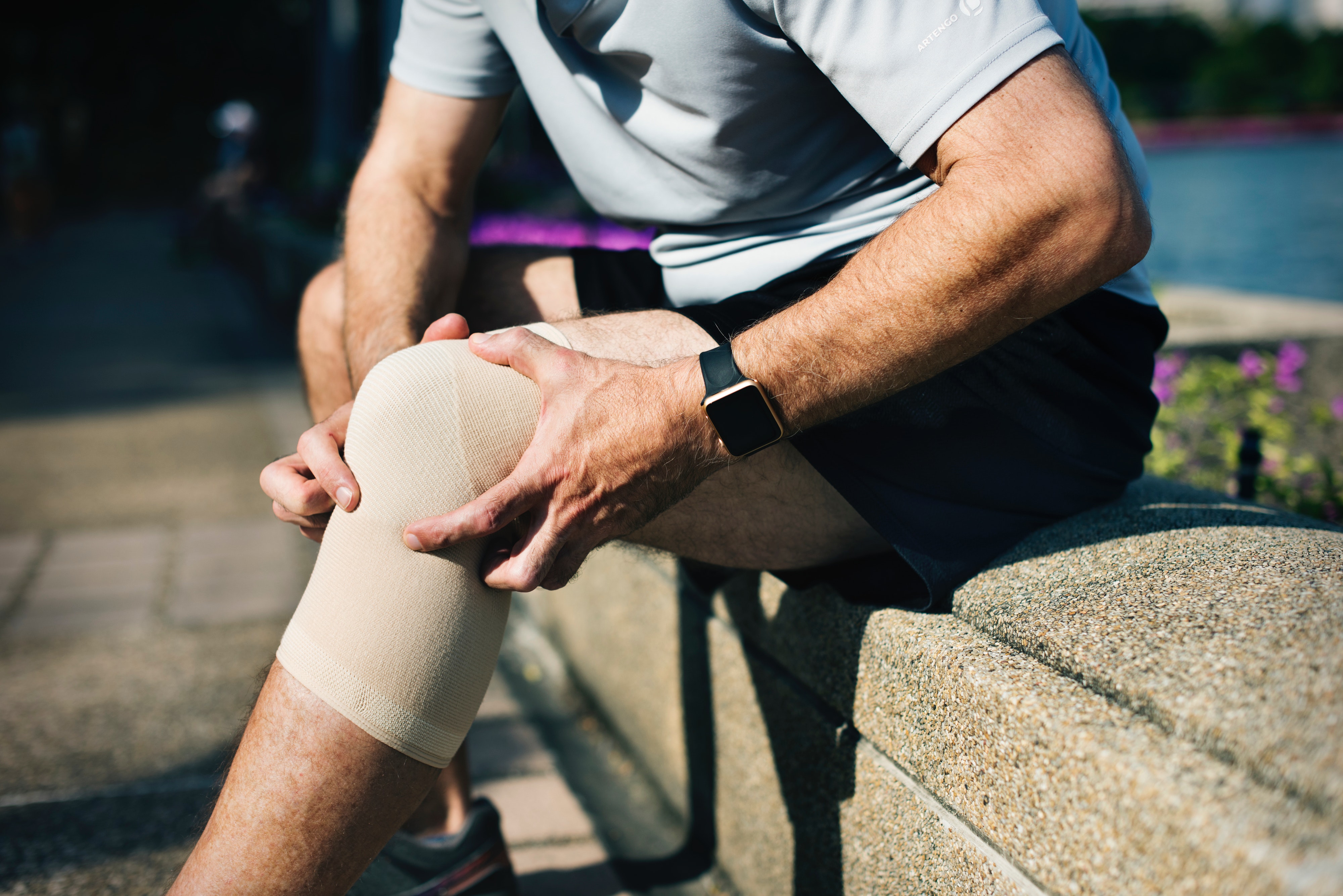
Injuries are no fun.  They occur from unexpected moments and can put us on the sideline of activities we enjoy.  Many of our personal training clients in Napa seek out our guidance on how to efficiently recover from a muscular or joint injury so they can return to their normal extracurricular physical activities.  A common question that gets asked is if injuries should be stretched or not.  Just like many things in the world of exercise physiology and the rehab of the body from injuries that affect the joints and connective tissue in our body, there are many factors that we need to assess before making the decisions to stretch or not.  Stretching an injury could lead to hasty recover to an injury or cause the injury to heal less efficiently.

One of the first things we ask personal training clients in Napa before making recommendations on a good rehabilitative plan to recover an injury is, “how did the mechanism of injury occur?”  Was it a twist?  A sprain?  An over stretched muscle?  A percussion injury in which the victim ran into something, fell on something, or was hit by an object? These are critical data points that offer evidence on where to start a point of rehab that will lead to returning the injured site of the body to optimal working conditions.

Let’s look at the idea of stretching a muscle.  If a muscle is bound up from a cramp or muscle tightness to where extending a limb is challenging, then stretching to increase range of motion could be a beneficial outcome.  However, if the mechanism of injury occurs from an overstretched muscle group, then stretching to rehabilitate an already overstretched muscle could result in diminishing returns.  Why would we want to stretch a site of injury that has already been damaged by stretching past its normal parameters?  When connective tissue around joints and muscles get injured from one of the above listed injuries, the tissues around the skeletal muscle, tendons and ligaments get damaged to the point to where oxygenated blood flow is delivered inefficiently.  Sub optimal blood flow to working muscle and connective tissue around joints leads to lack luster healing properties and oxygen delivery, leading to a lack of healing and performance functionality to the working muscle.  The healing process needs to be carefully managed before going into an advanced form movement to allow the damaged cells of the muscles to recover fully so oxygenated blood flow can help the injured site recover.  Injuries that are caused by torn, strained, or over-stretched events such as hamstring, groin, or abdominal tears need rest to allow the connective tissue cells that connect the muscles and bones to each completely regenerate.  It’s important to understand the severity of an injury and allow proper rest as a priority to allow regrowth of cells involved in the site of injury.

As we manage injuries with our personal training clients in Napa, one of the first noteworthy actions to note is when the injury occurred and how severe this injury was.  Was this a torn hamstring that allows for advanced therapy with a physical therapist to where the joint can’t move past a certain angle for 90 days?  Or was this a brief strain in the shoulder and neck area that might heal up in a few weeks.  The point of emphasis here is that injuries need a time line of when to allow specific movements back into an injured individuals life.  We encourage at least 30 days of rest from intense training.  We ensure to increase range of motion movements before re-admitting exercises with normal range of motion back into the program.  If we keep tabs on when the injury occurred and set a period restriction from specific movements for a prescribed time frame, the likelihood of healing can be expedited.  Most importantly, the likelihood of re-injury will be significantly lower.   Perhaps before stretching an injury, it would be a good idea to lay off stretching for a brief time frame of 2 weeks to 30 days before moving that muscle group to an increased range of motion and allow the connective tissue cells to regrow.

Understanding where a time line of recovery is critically important toward getting a musculoskeletal injury back to optimal performing conditions.  Instead of jumping right back into advanced physical activity, such as improving flexibility and range of motion of a joint, perhaps it would be a good idea to pay attention on how to allow an injury to rest and recover for a few weeks.  Simple forms of rest and recovery such as icing, utilizing a TENS unit, or applying a topical analgesic to the site of injury do not require any movement of the body and can help the damaged connective tissue cells reduce swelling to speed the rate of recovery.  Let’s remember to listen to where we are in our recovery journey during an injury.  Once we can understand how long we will be limited to an activity for, we can manage our injuries much better with the appropriate form a rehabilitation.


Sean McCawley, the founder and owner of Napa Tenacious Fitness in Napa, CA, welcomes questions and comments. Reach him at 707-287-2727, napatenacious@gmail.com or visit the website napatenaciousfitness.com.
Struggles with Motivation: Finding Motivation to Exercise

While playing 3 hours of Pickle Ball, one of my favorite forms of physical activity, I met a gentleman who came to scope out what the game was all about.  He had his toddler with him enjoying the beautiful weather of a bright, sun-filled Sunday late morning.  My fellow Pickle Ballers invited the gentleman to join us.  Our goal as to teach him the rules and we would recruit another person to embrace this fun form of physical activity.  Being with his toddler and no one else to watch her, he had to respectfully decline.  He mentioned  that he wanted to get back in shape.  With a toddler running around, the parents out there understand the challenge of devoting attention elsewhere.  Pair that with busy work schedules, extra time for exercise, let alone recreational activity, might be  too demanding of someone’s schedule.  As a health solutions expert, I explained to him that just doing some push ups or squats in the comfort of his own home would help him to get some exercise.  My explanation was nothing new to him.  He already knew the answer to getting back in shape.  The act of putting a few hours in every week at a gym in Napa was not a mystery.  Before I got pulled into another game by my fellow Pickle Ball friends, he explained to me, “It’s just hard to find the motivation.”

This story relates to many  individuals’ current need for exercise in their lives.  If it’s important, why isn’t the need to exercise handled with a sense of urgency?  It’s no surprise that lack of exercise and sedentary lifestyles lead to metabolic diseases, cardiovascular disease and risk increase of injury.  Sometimes, the main driver for exercise comes from doctor recommendations when an individual is already critically overweight, at the risk of type 2 Diabetes, or has severe risk factors for cardiovascular disease.  Why does exercise motivation need to wait that long?

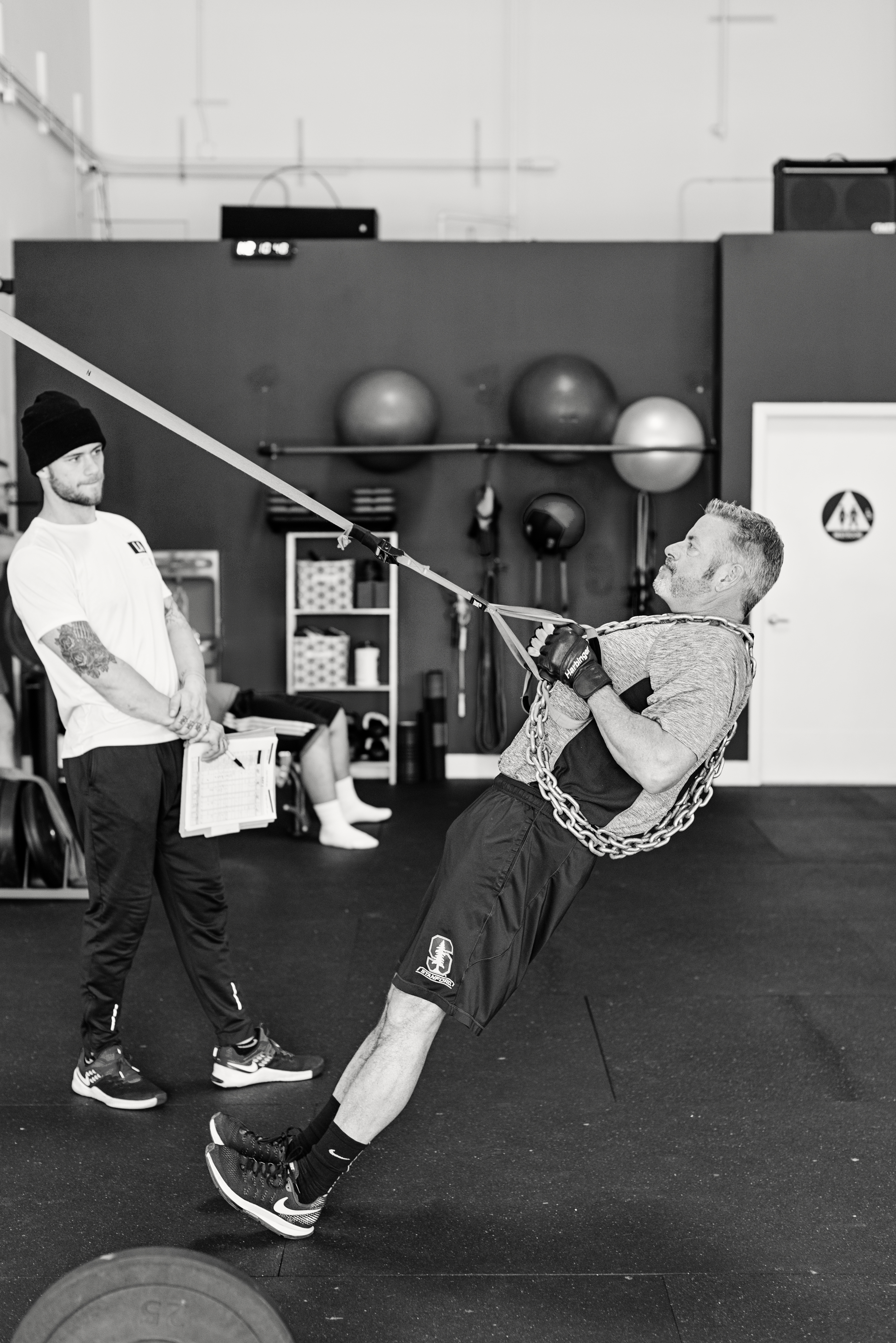
When we start our personal training clients in Napa on a new life time fitness programs, we always ask them what their main reason for exercising is.  What’s motivating them to commit themselves to get in the best shape of their lives under our professional health and longevity coaching services?  Understanding the “right whys” are critically important factors in motivation.  Perhaps the motivation to be healthier, happier and stronger is to become a better parent.  To be able to get up and down off the floor and roll around with their toddler.  Be able to engage with their kids’ friends and coach them in tee ball.  Teaching their toddler to ride their bike for the first time and avoid  joint pain or be out of breath.  Of course, these are drivers to be a better parent and supporter of our families.  We don’t want to be out of breath all time or at risk of heart surgery when supporting a family.  But what’s stopping individuals from performing exercises that are literally right in front of us?  It doesn’t take a rocket scientist to figure out the equipment and setting to perform some pushups.  All you need is your self and the ground.  One of the main factors that contributes to exercise aversion is the fact that it seems like a task.  When we have time to ourselves, sometimes we just don’t want to do anymore hard work.

To help remove the idea that exercise equals work, we  ask our beginning personal training clients in Napa another critical motivational question.  What forms of physical activity are fun?  We usually get a lot of answers that relate to extracurricular activity and recreational sports.  Hiking, gardening, wood working projects, land scaping projects, water sports, mountain biking, riding bikes with the kids, adult softball, or tennis to name a few.  The gentleman that was mentioned earlier in this article was at Pickle Ball observing us because he probably thought it looked fun.  Sure, exercise is useful in preventing metabolic disease, becoming overweight and avoiding significant joint injury.  But so is getting out to play water sports, ride bikes with the kids and playing recreational sports..  An organized recreational game of tennis, softball, or shooting a few holes of golf offer increased heart rate responses.  Before you know it, participating in these forms of physical activity for a few hours will utilize a few hundred calories from fat as a fuel source.  The key point here is to find an activity that you will have fun doing to help sustain your motivation to continue being active.

When we struggle with motivation, we need to ask ourselves, “What will keep us coming back for more.”  It’s easier to stay active in an activity we enjoy than it is to go out and find one.  The critical factors of having fun, being social with others, feeling good, and just having a good time are what will help us sustain motivation and being active.

Sean McCawley, the founder and owner of Napa Tenacious Fitness in Napa, CA, welcomes questions and comments. Reach him at 707-287-2727, napatenacious@gmail.com or visit the website napatenaciousfitness.com.
Take it Easy: Exercising when you’re Sick

Participating in our favorite exercise activities helps us stay in shape and have fun while we’re at it.  Getting a workout with one of our companions at the local gym, attending a group fitness class or performing a home exercise routine will improve our balance, coordination, strength and our overall mindset for the future.  While there are various benefits of regular exercise, there is an area that is overlooked when adhering to a regular exercise program.  What happens when we get sick?

Exercise induces stress on the body by way of cellular damage caused by the work we have our muscle cell and connective tissue perform throughout exercise.   Regular exercise helps improve the immune system over time, boost the metabolism by burning fat, and improves emotional and psychological wellbeing by enhancing our mood with increased dopamine coursing through our blood.  However, when the body is going through repair mode following exercise as the body is simultaneously fighting chest cold symptoms, the body works in over drive and can enter a dangerous state of distress.

As part of our life time fitness coaching efforts we offer our personal training clients in Napa, we emphasize the “less is more” principle when the body is in a state of distress.  We don’t want to be in a state of distress any longer than is necessary.  Therefore, mindful recovery and rest of the body is important when fending off illness.

When we get sick from something like a chest cold or stomach infection, a virus or bacteria enters the cells in vital organs such as the sinus, lungs, or stomach.   The cells affected by the harmful virus are damaged and go under a state of distress.  The body fights this virus by utilizing our immune system.   Similar to how the body reacts to muscle soreness following exercise and sends a signal to repair muscular damage.  The difference is that we experience the side effects of the body fighting this illness by way of mucus being distributed in our nose, throat and chest coupled with fevers and body aches.  Muscle soreness following exercise and the effects of illness are both forms of distress in the body.  During these times of distress, the body is asking for rest and recovery.  If we stack up the form of distress from exercise with the distress of illness, we can quickly over do it.  Exercising while sick can contribute to becoming even sicker than when the illness first came around.

A solution that we offer to our personal training clients in Napa is to listen to the body.  If a client tells us that they feel a cold coming on for some reason, we always err on the side of caution and inform them that the best policy is to take a day off and rest.  The last thing we want to do is to accelerate the hindered state of  body as it fends off illness.  Exercise can get us out of a funk of feeling rundown by boosting our mood and giving us more energy when minor irritations such as allergies or a runny nosed caused by cold weather have affected the body.  While there are times that exercise can help clear up the sinuses by increasing the respirations and blood flow of the exercise participant to expel excess congestion, there are some tell tale signs that you might want to take a day from training.  A strong indicator of a severe illness are body aches, fever, or a productive cough in which mucus is being expelled from the chest.  One the best ways for germs to be spread is by coughing.  When in doubt, any conditions that affect respiratory functions below the throat are usually clear signs that the body is in an advanced form of distress.  In this scenario, rest and relaxation is the best tool to get the body back to peak condition.

We want to promote a healthy lifestyle of fitness, strength and happiness.  However, by visiting the gym or your favorite group fitness activity when you’re sick, you might be spreading a bug to other gym goers around you.  For the sake of your fellow life time fitness enthusiasts, listen to your body and use your intuition.  There is a fine line between being too sick to exercise and toughing it out to ensure you are reaching your fitness goals.  However, life time fitness is a long game we play.  We want to be able to put in as much productive work as possible toward refining our fitness goals.  Sometimes taking a day off to let the body recover from sickness is the best approach we can to do get back into the gym tomorrow and chalk up another victory for our life time fitness at full power.

Sean McCawley, the founder and owner of Napa Tenacious Fitness in Napa, CA, welcomes questions and comments. Reach him at 707-287-2727, napatenacious@gmail.com or visit the website napatenaciousfitness.com.