
People often ask me what my favorite foods are. I always give my honest answer enthusiastically. “Pizza, donuts, and ice cream,” The reply is usually paired with a look of bewilderment, “Then how do you stay so fit?”
I suppose that’s a fair question. I maintain a healthy body fat-to-muscle mass ratio, and I have owned a personal training center here in Napa for over ten years. I could be considered a walking contradiction. Yet those foods hold a special place in my heart.
The textural contrast and toothiness of a professionally made donut from Winston’s is an unexplainable pleasure I look forward to every week. Making pizza has become a real hobby. I mix the dough every week, fuss over the oven temperature, experiment with different yeasts and water-to-flour ratios, and rotate through cheeses and toppings until it tastes right. I enjoy happily engulfing my masterfully designed pizza with gusto. Additionally, I love being on a never-ending journey to discover the world’s best artisan ice cream, always searching for mind-blowing, innovative flavors with good mouthfeel rather than tasting like chalky frozen milk.
So how do I enjoy foods that seem like they would detonate an explosion of diabetes and increase fat mass while remaining relatively lean? I indulge in these foods about once per week, and I think of them as “treats,” not “cheats.” That one distinction matters. A cheat sounds like you broke a rule and got away with something. A treat is an experience purposefully earned and enjoyed. Most importantly, treats are something to look forward to if you know they’re waiting for you after earning them.
Staying on the beneficial side of the “treat vs. cheat” line takes a little structure. During our personal training clients’ nutritional consultations, we work interactively to establish foundational dietary management strategies that prevent “treat food” consumption from becoming a daily habit. Too many treats, too often, is a potent ingredient for subcutaneous fat to begin accumulating, leading to the development of insulin resistance and elevated stress hormones, which produce suboptimal health issues.
A successful tactic we’ve seen in our nutritional consultations is limiting the indulgence of treat foods to days when rigorous exercise or physical activities in the form of strength training, cardiovascular exercise, or recreational activities are present. Challenging exercise sessions give the body the ability to absorb extra calories instead of letting a surplus go unused. The other part happens inside the muscle. Resistance training creates small amounts of stress and microscopic damage in muscle tissue. Muscles respond by repairing those stressed areas. During that repair period, skeletal muscles become far more responsive to insulin and pull sugar from the bloodstream for energy, drawing in amino acids and protein to rebuild stronger, more durable muscle cells that adapt to the demands of rigorous physical activity. Periods of physical activity make muscles hungry, and a treat meal eaten that day is put to much better use than one eaten after a day on the couch.
Let’s be clear, working out does not turn treat food into health food. Treat foods supercharge insulin production and have a ton of calories. The beauty of bread and cheese piled together isn’t a nutritional powerhouse. However, enjoying those foods once a week is acceptable. Eating them every day is a different story, and we do not need to be rocket scientists to see where that road leads. A steady stream of sugary, starchy, and fatty food, day after day, raises the odds of insulin resistance, which can open the door to diabetes and a slew of metabolic diseases. Additionally, overconsuming treat foods is a fantastic way to store a steady supply of undesirable subcutaneous fat under our skin.
Deciding ahead of time when your treat day is can be a fun game to play by surrounding them with at least three days of clean eating beforehand. A day of “clean eating” could look like days when sugary, starchy, and fatty foods are set aside, and lean proteins, vegetables, fiber, and plenty of water are prioritized instead. On the treat day itself, get your rigorous exercise in. Spacing your treats out this way gives your body time to reset between indulgences, mitigates the slow creep of subcutaneous fat accumulation and metabolic disease, and spares you that heavy, sluggish feeling that comes from too many rich meals in a row. Best of all, you still get to eat the foods you love.
Swearing off pizza, donuts, and ice cream forever sounds like a mundane lifestyle that produces rules that are waiting to be broken. Making intentional decisions, earning your treats with a stretch of healthy eating and a good workout, and then enjoying every bite without a without feeling too guilty sounds doable. Plan it, work for it, and savor it, and perhaps we can utilize treat foods to live happy, healthy, and strong lives.
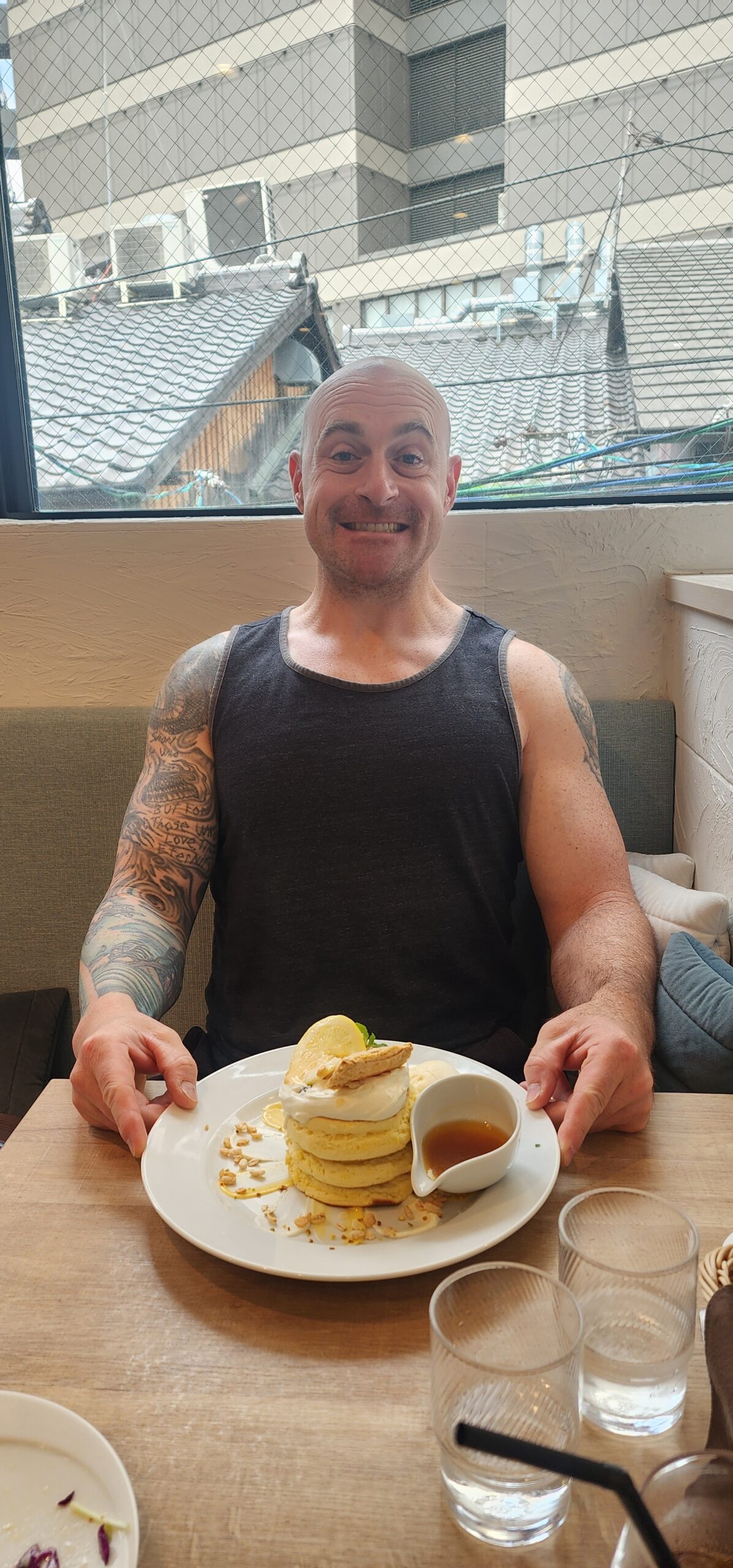
Sean McCawley, the founder and owner of Napa Tenacious Fitness in Napa, CA, welcomes questions and comments. Reach him at 707-287-2727, napatenacious@gmail.com, or visit the website napatenaciousfitness.com.