Improve Confidence with Life Time Fitness Goals

Having confidence is one of the most powerful tools to perform at an elite level in our every day lives.  A confident mindset helps us excel at our jobs, day-to-day interactions, and our decisions involving the future.  When beginning a program with our personal training and life time fitness coaching clients in Napa, we interview them about what goals they would like to improve upon.  A frequently seen goal is to improve confidence after having success in their program.

Elaborating further into that topic, we ask “what does improved confidence look like to you?”  Common answers include:

  • “How I feel in my own skin.”
  • “I need to be at the top of my game at work and life.”
  • “I’m training to apply for a position at a job, school or academy. If I’m capable, healthy and strong, I’m more likely to get the position.”

We make sure to check in through monthly interviews with our clients.  A very common improvement we see in their lives is the increase in confidence.  A helpful tip that significantly improves confidence in our clients consistently checking in to ensure exercise is performed 2-3 times per week.

Why is that so good for you? Having some form of physical activity for 10 minutes throughout the day will put the body past its comfort zone.  This promotes adaptations in the body to increase lean muscle mass and burn calories from fat.  Even if you’re tired and can’t get a full workout in, any challenge to the body will give a physiological response throughout the body to improve its performance.  Ensuring to perform physical activity 4-6 weeks consistently means that conscious decisions are being made to improve oneself.  Struggling through the comfort out of low physical activity to completing a challenging workout will improve confidence in stressful situations.  For these reasons, situations that might appear intimidating or create anxiety will not seem as bad by exposing oneself to some form of challenging exercise.

Physical activity throughout the week can be as simple as performing the common plank exercise for 15-30 seconds, taking a 10-20 minute walk, or stopping by a local health club do a few of the resistance training machines.  Ensuring to do these simple activities 2-3 times per week puts the body and mind in challenging conditions that it may not be used to.  Once there is competency achieved in ensuring at least 2 challenging physical activities on a weekly basis, we can confidently manage even more challenging interactions in our everyday lives.  When giving this tip to our clients, we see improvements in confidence and reductions in stress almost immediately.  We get reports that these tactics are ingrained after a few weeks of checking in to ensure clients are adhering to challenging physical activity 2-3 times per week.  Transforming the mindset of understanding what is too easy and comfortable to asking the question “what’s next?” is a critically important factor to improving confidence in everyday life experiences.

If you struggle with feeling depressed, insecure, or insufficient somewhere in your life, then why not get up and move around a little bit?  Moving past your comfort zone will improve positive thoughts, feelings and actions throughout your everyday life.  Most importantly, situations that pose a challenge can be handled with confidence because you have trained yourself to endure stress with regular physical activity and exercise.

Sean McCawley, the founder and owner of Napa Tenacious Fitness in Napa, CA, welcomes questions and comments. Reach him at 707-287-2727, napatenacious@gmail.com or visit the website napatenaciousfitness.com.

Have you counted how many Starbucks drinks you’ve had lately?

Living a healthful, happy and disease-free quality of life requires a balanced understanding of food choices.  During our nutritional consultations with our personal training and life time fitness coaching clients in Napa, a common deterrent to achieving weight loss goals is the amount of excess sugar present in their daily food intake.  One of the biggest the threat of too much sugar is the grazing of sugar treats, sugar coffee, and sodas throughout the day. At the office, it’s common to have small candy treats posted at a desk or around the office, making grazing on tasty chocolates easy to do.  Before you know it, you’ve consumed 3-6 candies throughout the day, which can be the equivalent to a half or even a full Snickers bar.  Sodas are loaded with empty calories, leading to an insulin spike and excess fat storage.  The tastiness of sugary beverages can lead to addictive and habit-forming tendencies, contributing to the tendency to devote a certain time of your day to order a caramel Frappuccino from Starbucks 30 minutes before your work day or during work breaks.

An overlooked behavior is soda consumption at lunch.  When going out for lunch, it’s easy to get a soda added to your meal.  In fact, at sandwich shops and other chain restaurants, they even add that as a package deal to your purchase.  The soda fountain machine is even freely available for customers to get as many refills as they want, making the possibility for soda consumption to be doubled.  It’s easy to see how soda consumption when going out to lunch can be doubled or even tripled through out the week.

A common blip in the radar when coaching our clients to refine their dietary habits is the ritualized stop by the Starbucks or Drive Thru Coffee stands to order a latte, mocha, or blended coffee milk shake before heading into work.

What gets ordered?  Lattes, Mochas or coffee milkshakes (Starbucks call them Frappuccinos).

During work breaks, it’s easy to walk to a coffee shop nearby and order another leading to drinking 1-2 of these sugary coffee beverages per day with a net total of 5-10 per week. These are loaded with calories from processed sugars and fats.  In addition, you have the option of adding whipped cream, caramel, or chocolate syrup on top, further concentrating the amount of sugar and fat content to your coffee drink.  We enter a dual threat of increasing insulin and putting an over-abundance of sugar into our bodies.  Processed sugar in the syrups and whipped cream wreak havoc on the metabolism. The addition of milk causes inflammatory responses in the body while super charging the insulin releasing reactions of shuttling sugar to the fat cells in the body, causing fat cells to swell up in size.  These beverages are an unhealthy threat to the body not only because of their ingredients, but also the portion sizes ranging from 16 to 32 oz. containers, which can equate to a liter of sugar, fattening fluid.

Teaching awareness of how many drinks are consumed is a primary tactic we use to create healthy revisions to a diet.  We literally lay out the amount of sugary drinks that are consumed per week.  After we have clarified the truth of sugary drink consumption, we ask the question, “What can we do help this?”

A common answer is, “Stop drinking Starbucks” or “Not drink as many of them.”

While we would prefer the first answer, the second one is more realistic.  Perhaps we could benefit from the 12 oz. size as opposed to a 16 oz. or higher size beverage.  Instead of having a whole milk beverage, maybe it would be a good idea to try non-dairy options such as almond milk lattes or cold brew coffee using a dash of cream added to it yourself.

A powerful lesson we offer our clients when discussing these issues is to be aware.  As life time fitness coaches, we cannot be at your side the entire day, but we can influence mindfulness of the foods going into the body. It’s important to understand that with the above listed possibilities of consuming readily available foods with additional processed sugar added to them, we can drink a total of 10 Starbucks sugar bomb drinks, 15 cans of soda, and a couple bars of chocolate throughout the week.  The truth hurts but put those items in front of you and you will be convinced on how the overabundance of these commonly consumed foods has influenced the overweight epidemic in our culture.

Let’s be aware of how much sugar we have each week.  Once we come to the truth of this, we can make progress in tactics to support our life time fitness goals and decrease the amount of additional sugar consumed.

Deep Breaths and Meditation: Become an Elite Performer in Everyday Life

Stress puts us in a confined state of mind in which we feel like we have nowhere to go and we stay stuck in stressful states of anger, depression, anxiety.  We can find ourselves feeling stagnant at work, sitting or standing for hours.  Similar to the way our bodies adapt to become stronger after weeks of regular exercise, maintaining an optimal quality of life requires your mind to be constantly percolating and striving for adaptation to efficiently deal with stress.

How do we keep our mind percolating and striving for the next best thing that’s in front of us?  A technique that we teach our clients is a little bit of meditation that I learned in a college Psychology course.  We constantly talked about what an elite performer in an athletic event must go through to be successful in their competition.  We connected the practices athletes must do to perform at an elite to how the general population could be elite performers as a parents, friend, or employee.

Something that is commonly taught to athletes before they execute an event is to take deep breaths.

Taking deep breaths slows down the heart rate a few beats per minute and decrease the amount of stress hormones that are telling the heart to beat rapidly.  There is a physiological correlation to taking deep breaths and reducing the stimulation of the nervous system.

For example, Marksmanship athletes participating in biathlons competitively ski downhill at high speeds, aim, and shoot at a target that is 50 m away with a rifle.  Skiing downhill to immediately shoot at a target 150 feet away while their heart is racing and stress hormones are overstimulating the body poses a substantial challenge.  Similarly, professional Baseball athletes are taught to take a few deep breaths before going up to bat against a pitcher throwing a ball 90 MPH.  Taking deep breaths helps these athletes to become a better performer because they can focus on the task at hand that takes a high amount of dexterity and concentration in order execute successfully.

Even though everyday life   does not involve the challenges professional athletes deal with, stress can hit us the same way.  For example, having a bad day at work can affect a person’s mood negatively, leading to a decreased desire to exercise, eat healthy or go to sleep in a timely manner due to increased stress and anxiety.  The stimulus of getting yelled at by the boss or meeting certain deadlines will increase circulating stress hormones, blood pressure, and heart rate responses.  This stress stimulus is very similar to the challenges athletes experience that increase their stress responses. A solution to this stress is identical to how athletes center themselves utilizing deep breathing techniques.  By taking deep breaths, one can apply similar heart rate recovery, concentration, and an overall decrease in the amount of circulating stress hormones in the blood stream.  This is a method in which we can become elite performers and adhere to a healthier lifestyle.

A simple form of meditation we teach our personal training clients when stress takes over is to take a few deep breaths.  This is a technique that I was taught by one of my favorite Psychology teachers in my college career:

  1. Find an inanimate object outside (like a tree, the horizon, or some clouds)
  2. Look at that object. Close your eyes. Take one long, deep breath.  Fill your lungs to full capacity. Take your time and keep your eyes closed.
  3. Let that breath out. Keep your eyes closed
  4. With your eyes still closed, take another long and steady deep breath. On the exhale, open your eyes and slowly let out your breath. Take as much time as you need.
  5. Take One more deep breath with your eyes open, still looking at the object you initially picked out. Exhale one more time and start looking at other objects that strike your interest.

Feel free to try this technique when things get rough.  Not only will taking deep breaths improve focus during an athletic event, but this technique can also help reduce stress in our everyday lives.  This is a technique we teach to some of our personal training clients in the Napa Valley because there are so many amazing things to experience in this beautiful area of the world. Trees, vineyards, hills.  Stress is always a threat to slow us down.  However, the beauty around us is always present as well.

Take some time out of the stressful part of your day and look at something pretty.

It will be alright, if we just take deep breaths.

Sean McCawley, the founder and owner of Napa Tenacious Fitness in Napa, CA, welcomes questions and comments. Reach him at 707-287-2727, napatenacious@gmail.com or visit the website napatenaciousfitness.com.
Reasons Personal Trainers are Important!

Personal Training is a service sought out to refine health and fitness.  Popular interests in acquiring personal training services include losing weight, gaining lean muscle, and becoming stronger.  Creating solutions in developing a fitness program that supports life time fitness goals and avoids injuries is a common reason to reach out for personal training.  Maintaining physical strength and mental acuity while adhering to an exercise program is critical to living happily and healthy.  Additionally, individuals struggle with regular exercise due to failed attempts leading to injury, boredom, or falling back into old habits leading to suboptimal physical activity.  The services of personal trainers and other fitness professionals help create solutions to these issues.  However, it’s important to be aware of important components in your personal training outreach to ensure you are entering a safe and efficient time investment.

The benefits of exercise into our lives is well known.  However, we hear that people simply don’t have time for exercise.  The reasons can span anywhere from family commitments, finding daycare for the kids, or just being bogged down by too many work hours.  This makes the benefits of a regular exercise program obsolete and leads to the deleterious effects of decreased physical activity.  Acquiring the guidance of a personal trainer helps to remedy this issue because appointments will be made specifically for the participant to attend at a designated time frame.  Nothing else can interfere with this appointment because both the personal trainer and the participant have carved out a portion of the day to devote to each other in this unique coaching dynamic.  This means all work obligations, cell phones, grocery store trips and other attachments have now been set under the priority of this hour of one-on-one time of exercise instruction devoted to you.  Furthermore, most personal trainers, along with small group fitness classes, require that you pay before the training session.  If you miss this session, you still must pay for the time you agreed to devote to yourself.  This shouldn’t be a financial accountability test.  However, utilizing positive reinforcement of being accountable for your motives of seeking out personal training will further support your life time fitness goals.  During these training sessions, you have someone to report your health and fitness progress that is dedicated to your success.  Furthermore, setting this time aside can also serve as an advanced form of meditation in which your efforts are focused solely on the proper execution of each exercise technique to support a successful exercise session.    Our personal training clients in Napa know that they are expected to show up to each training session ready to go and strive for this success.  Various other services such as small group fitness classes, boot camps, or Yoga classes expect the same thing from each participating member of their program.  Having an accountable fitness professional to report to is a very useful tool to ensure that you are dedicated to your specific health and fitness goals.

A discouraging factor when contemplating the start of an exercise program is the possibility of injury from exercising incorrectly.  Unfortunately, injuries from joining a gym and exercising ineffectively can leave participants injured for a few weeks and even years at a time.  This should never be the case because local health clubs are a place to improve mental, physical and emotional health.  Most gyms have personal trainers on staff that usually offer a training session free of cost.  These complimentary training sessions are meant to answer any questions to clarify the proper use of the training equipment around the gym.  Personal trainers can also clarify what a good muscular engagement is and what pain feels like when exercising.  In addition, personal trainers will be able to tell you what exercises need to be performed initially before other exercises.  For example, we always teach our personal training clients that work with us at Napa Tenacious Fitness to perform more technical exercises first and finish with less advanced exercises to focus on a safe and effective conclusion to the workout.

Personal trainers, fitness class instructors and other fitness professionals are here to help.  They are passionate individuals who have embraced success within life by prioritizing health and fitness. It’s important to seek out a qualified, educated and experienced professional.  Before signing up for the services of a fitness professional, it’s highly recommended to screen the potential coach.

What housing organization are these trainers certified through?

Do they have a college degree in a biological science?

How long have they been a trainer?

Perhaps you can perform a Google search on your potential exercise leader to ensure they are an upstanding person in society.

Utilizing the services of a personal trainer will effectively promote exercise adherence.  A strong team chemistry between participant and a personal trainer has the potential to build a positive team dynamic to promote successful life time fitness goals.

Sean McCawley, the founder and owner of Napa Tenacious Fitness in Napa, CA, welcomes questions and comments. Reach him at 707-287-2727, napatenacious@gmail.com or visit the website napatenaciousfitness.com.

“Do I need to do a ton of Cardio?”

Weight loss is one of the leading factors for individuals to begin a fitness program.  A common theme is to “burn” fat by performing cardiovascular routines.  Our personal training clients in Napa frequently ask the question “Do I need to do a ton of cardio to get rid of fat?”  This statement is usually identified as going to the gym, hopping on the treadmill, elliptical or stationary bike and use that machine for 15 to 30 minutes.  While it’s true that cardiovascular exercise assists in burning fat calories and contributing to overall weight loss, there is common misconception that performing hours of cardio is the most efficient way to decrease fat.  There is a need for clarification regarding alternative ways to efficiently train the body to utilize fat as a fuel source without only hopping on a cardio machine at the gym.  There are more efficient and invigorating techniques that decrease fat while controlling weight to improve health without doing a ton of cardio.

First off, it’s important to understand the term cardiovascular.  The “cardio” portion indicates activity that is occurring in the cardiac muscle of the heart.  The “-vascular” portion refers to activity in the blood vessels such as arteries, veins, arterioles, venules and capillaries.  Combine those terms to create the term cardiovascular.  Cardiovascular exercise is commonly understood as “cardio”.  Therefore, any activity that occurs within the cardiovascular system form the stimulus of exercise falls into the category of cardiovascular exercise, or “cardio.” This means that any utilization of fats, carbohydrates and the delivery of oxygen throughout the organs of the body are being used to aid the body in exercise.  As heart rate increases, so will these interactions occurring in the body which will help burn fat, increase blood flow and improve the condition of cardiac muscle tissue in the heart.

Increasing heart rate is not the only method to increase cardiovascular activity.  It’s important to understand that interactions occurring in the blood vessels as an integral portion of optimizing cardiovascular exercise.  Increasing blood flow can come in the form of resistance training, mobility exercises such as Yoga, and basic leisurely walks.  Safe practices of lifting weights influence the contraction of muscle cells and influence the influx of oxygenated blood to the muscles.  Poses in Yoga will elicit lengthening muscle fibers and breathing techniques that facilitate oxygen into the blood.  Simple acts of walking from your house to the store for 15 minutes or more will cause increases in blood flow and increase heart rate responses anywhere from 5 to 20 beats per minute.  When the body is introduced to the condition to increase the volume of blood flow from physical activity, distribution of oxygen to muscle cells occurs.  As oxygen travels from the blood to working muscles, fat is utilized as a fuel source. This demand for more blood being called to the working muscle will ultimately lead to an increased heart rate and stimulate the cardiovascular system.  In addition to finding alternatives to the cardio equipment at the gym, training in various forms of exercises like lifting weights, practicing Yoga or walking more offer benefits to increasing strength, improving mobility and stimulate the mind.

Embracing cardiovascular exercise is critically important ideal in supporting our lifetime fitness journey.  However, hopping on a cardio machine at the gym and staring at a TV monitor is a monotonous and time inefficient use of time.  It’s true that these machines are very useful to aid in fat loss and improving physical activity.  The problem is that individuals feel the need to devote countless hours of attention to these machines.  Eventually, diminishing returns of getting bored and developing attachments to these cardio machines can occur.  This can put us in a state of dependency and threaten to close off our minds to other beneficial forms of physical activity that will improve our efforts toward our health and wellness goals.

Challenge the mind by performing a variety of exercise.  Introducing new physically challenging exercise activities stimulates the mind to welcome the opportunity to experience more thoughts, feelings, and actions.  This can serve as a unique form of meditation to keep ourselves not only in great physical shape, but also able to become more refined in the physical, mental and emotional realms.

Take a break from the treadmill, elliptical and stationary bike at the gym and unglue your eyes from the TV.  Ditch the idea of performing a ton of cardio to burn fat and embark in the various offerings of physical activity by performing resistance training, taking fitness classes and getting out to walk more.

Sean McCawley, the founder and owner of Napa Tenacious Fitness in Napa, CA, welcomes questions and comments. Reach him at 707-287-2727, napatenacious@gmail.com or visit the website napatenaciousfitness.com.

Exercise as Medicine to Cure and Prevent Diabetes

Adult onset Diabetes is a common occurrence impeding society’s health due to the consumption of sugary foods and decreased physical activity.  High glycemic index foods such as breads, crackers and “on-the-go” breakfast bars contribute to the insulin spiking effects that can develop into Diabetes.  Lack of physical activity from sedentary professions and stressful lifestyles cause muscles to become inactive, losing the ability to identify insulin correctly and lead to insulin resistance.  Add in the busy lifestyle of having to get  food while running around in our cars with the convenience of fast food, we have the perfect storm to introduce the driving forces that afflict our society in becoming Pre-Diabetic and developing Adult Onset Diabetes.  The threat of self-inflicting Diabetes is increasingly prevalent in our society.  However, by understanding what causes that threat, we can utilize preventative measures by understanding how to correctly utilize the hormone insulin and adhering to an active lifestyle.

Hormones are chemical messengers that travel throughout the body’s blood stream bonding onto cells to facilitate a specific function.  Insulin is a hormone that will bond onto connective tissue cells and allow the transport of sugar from the blood stream into those cells.  From an exercise physiology perspective, two important cells that are affected by insulin are the skeletal muscle cells and the fat cells underneath our skin.  Insulin gets released from the pancreas after a specific food is consumed. Foods possessing a high glycemic index such as breads, sodas and other processed grains will release a higher concentration of insulin into the blood stream.  Whereas as food with a lower glycemic index such as broccoli, nuts, and lean proteins will not release as much insulin into the blood stream.

The designation of what cells utilize insulin is influenced by the amount physical activity performed.  When physical activity such as exercise is performed, skeletal muscle is broken down.  As the muscles break down, the body recognizes the needto repair the muscle is present, introducing the condition in which protein can be shuttled into the cell to facilitate muscle resynthesis.  Following a bout of exercise, the muscle cells are now in an insulin sensitive state where the introduction of insulin in the body will benefit the rebuilding of the muscle cells.  As insulin bonds on to damaged muscle cells, sugar from the blood stream flows into the muscle.  This influx of sugar into the muscle will give the muscle the energy it needs to grab on to free floating proteins in the blood stream and bond them to the damaged site to reinforce the architecture of the muscle cell.  This is on f the most beneficial methods of increasing insulin sensitivity and fending off factors leading to the development of Type 2 Diabetes.

On the other end, lack of physical activity will lead the muscle cells to ignore the presence of insulin after digesting insulin triggering foods.  As muscles cannot detect insulin, the insulin will now travel past the muscle cell to the next best thing, the fat cells.  Fat cells will gladly allow insulin to their front door which trigger sugar from the blood stream to travel into the fat cells.  Similar to how muscle cells grow when insulin bonds to them, so will fat cells underneath the skin.  Not only will this state of insulin resistance lead to becoming overweight, but it can also contribute to adult onset Diabetes.  The development of adult onset diabetes, or type 2 Diabetes, is self-inflicted by insufficient physical activity and unwise dietary decisions.  Along with becoming overweight due to being insulin resistant, the detrimental effects of having poor circulation, increased hunger, and increased levels of fatigue occur as Diabetes develops.  The presence of Diabetes will require a multitude of medications to counteract the deadly conditions it imposes to the body.

The most powerful solution to prevent the development of Diabetes is to participate in physical activity on a regular occurrence.  We teach our Napa Personal Training clients to participate in a form of resistance training at least once per week.  The addition of exercises that create muscular soreness indicate muscular damage, leading to the body being able to utilize insulin constructively in creating more lean muscle mass.  In addition to adhering to regular forms of exercise, we also remind our Personal  Training clients in Napa what foods might be higher in the glycemic index.  Limiting foods such as breads, cereals and dairy products is a technique that will help manage insulin levels.

Using exercise and a mindful approach on diet are not only beneficial to decreasing the risk of Diabetes but are effective in so many other ways in our lives to improve our Life Time Fitness.  If we can utilize exercise and a positive outlook on nutrition, we can help our bodies to fend off disease to live stronger, happier and healthier lives.

Sean McCawley, the founder and owner of Napa Tenacious Fitness in Napa, CA, welcomes questions and comments. Reach him at 707-287-2727, napatenacious@gmail.com or visit the website napatenaciousfitness.com.

Cooking at Home: Get out of the Drive Through Rat Race

Today’s general population struggles with obtaining healthy foods from the store to prepare in the comfort of their own homes.  A common problem that we hear from our personal training clients in Napa is that healthy food is expensive and going to the store is drag.  People are too busy to make a trip to the grocery store and shop for food that can be prepared at home.  The perception of dining out is that it’s convenient and inexpensive.  Unfortunately, this perception that eating out for convenience and saving money is flawed.  Additionally, eating out regularly is suboptimal to our health.

A common scenario entails individuals who work long business hours to get their meals conveniently before work, during lunch time or on the way home from work when 5:00 PM hits by visiting the drive through. You have everything made for you to collect in a matter of minutes.  However, an abundance of problems arises from being involved in the drive through rat race.  The food at McDonald’s, Taco Bell, or Jack in The Box will undoubtedly hold you over for the lunch hour or after a long day’s work. The downside is the warfare that most of the foods on the menu inflict, leaving your body in disarray.  Processed white flour bun or tortilla in the form or wraps and burritos are filled with simple carbohydrates waiting to spike your insulin and be stored as fat.  In addition to the insulin response and overabundance of carbohydrates in these items, there is too much protein and fat for the body to absorb when consumed in one sitting.  Granted, there are healthier options like salads on the menu.  However, sandwiches, burgers and wraps are what takes up the greater portion the fancy lit of menu we see while sitting in the drive thru line.  Lastly, fast food drive throughs are kind enough to offer some fries.  Who wants to throw away a pound some delicious, salty, deep fat fried potatoes for such a great price?  The problem arises when too much food is consumed at once.  Fast food industries can offer you a lot of food for a great rate. Most of the time when this much food is put in front of us, we eat it. These are some of the leading causes of pre-diabetes and becoming overweight when our culture becomes entrenched in the drive thru epidemic.

The convenience of avoiding the store, shopping the aisles, waiting in line and unloading groceries gets eliminated when dining out.  Another common misunderstanding is that shopping for healthy food at the store is pricey.  Purchasing items like lean meats, oils for cooking and veggies are thought to be on the pricier side.

A solution that we offer our clients during our nutritional consultations is to first pick out some proteins and vegetables they enjoy eating.  We challenge our clients to create a days’ worth of what having a vegetable and lean protein during each meal would like throughout the day and have them write it down.  Additionally, another successful strategy is to develop 5 separate breakfast and dinner dishes that include a veggie and lean protein.  After we have these items, we have a healthy breakfast and dinner menu.  Within these menus, we now have ingredients.  We find that a lot of these ingredients are budget friendly and have a decent shelf life.  Lean meats such as chicken and fish can be frozen and stored.  Once we know what is on the menu for the night, the protein simply needs to be taken out in the morning to be thawed.  Eggs are also a very sustainable source of protein that can be purchased in bulk and utilized throughout the week.  Veggies such as broccoli, green beans, carrots, onions and garlic are all nutrient dense foods that can be stored in the fridge before expiring.  These veggies not only have health benefits, but also can be innovatively prepared in many dishes.  Some of our favorite ways to recommend carrots is to either steam them and sauté or bake them in aluminum foil with garlic, onion, olive oil and salt and pepper. This method can also be used for broccoli. Creating a list of the healthy foods we enjoy and developing food prep. tactics can create solutions to cooking at home more often.

Once we learn to shop smart for healthy food items, budget and inconvenience becomes a non-issue.  Take efforts to make it to the grocery once or twice a week and limit your dining out to 2-3 times per month.  That way we can get out of the car and get to the comfort of our home faster to enjoy our delicious healthy meals.  Get out of the drive through rat race and get into the comfort of your home to destress from the day and supercharge your lifetime fitness journey.

Sean McCawley, the founder and owner of Napa Tenacious Fitness in Napa, CA, welcomes questions and comments. Reach him at 707-287-2727, napatenacious@gmail.com or visit the website napatenaciousfitness.com.

Shoulder Under Use Injuries: Developing Mindfulness for Improved Shoulder Strength!

Society’s awareness of posture when sitting and standing during everyday activities is commonly overlooked.  Some common examples include looking down at our cell phones with our necks bent like a flamingo getting fish out of a pond, standing in line at the grocery store with our toes pointed out leading to the arches of the feet to collapse, or hunched over our desks while sitting with our arms stretched out like a zombie for hours.  Scenarios such as these can lead to overuse and underuse injuries to the body causing suboptimal performance to our everyday quality of life.  A solution to improving posture is being mindful of debilitating factors leading to poor posture.  More importantly, ensuring to exercise the areas surrounding the ball and socket joint of the shoulders will significantly improve the muscles of postural stabilization.  Regular exercise to the ball and socket joint of shoulder region will limit the likelihood of injuries and help us be more productive in throughout our daily functions.

A Ball and socket joint is the connection of a series of bones which allow 3-dimensional movement of a limb.  The most commonly understood ball and socket joints are the shoulder joint and the hip joint.  Both areas house a vast network of muscles responsible for an array of movements that we depend on to perform common daily tasks.  The actions of the shoulder allow overhead reaching, extension of the arm in front of the body and lateral movement to the outside of the body.  Now, imagine what life would be like if you removed one of those examples.  If anyone has ever suffered from a shoulder rotator cuff injury, you can probably relate that it is not an enjoyable experience.

Sedentary occupations that require desk work are infamous for underuse injuries of the neck, shoulder region and upper back.  Shoulder injuries can occur from repetitive use as well.  However, atrophy in muscles can occur from keeping a muscle in a static position for a prolonged period.  This is one of the leading causes of underuse injuries in the shoulder, neck and upper back regions.  As atrophy of the muscle occurs, less blood flow circulates to the working muscle, causing lack of oxygen to the muscles.  The lack of blood flow to the muscle will cause the muscle to decrease in size and strength.  More importantly, our muscles will “suffocate” from a lack of oxygen just like we do when we hold our breath for too long.  This leads to muscles losing the ability to function.  One of those primary functions impeded are muscular repair, growth and strength.  When a muscle gets atrophied, even the actions of everyday life can cause a muscle to strain because of the sedentary situation imposed upon it.   However, this detrimental case of atrophy caused by lack of movement due to a sedentary lifestyle is curable.

The muscle of the ball and socket joint surrounding the rotator cuff of the shoulder have various attachments from the shoulder blade to the rib cage and upper arm.  Most of the larger attachments of the muscles supporting the rotator cuff originate from the shoulder blade.  In addition to the attachments from the shoulder blade to the front of the body, the shoulder blade also has attachments to the neck and base of the skull.  Therefore, strengthening the muscles around the shoulder blade region with a regularly scheduled shoulder blade specific exercise routine will counteract the effects of underuse injury from being in a sedentary position.

When working with our personal training clients in Napa who suffer from neck, upper shoulder, mid back and rotator cuff pain-like symptoms, we focus the first 4-week phase of their exercise prescription on education of the various movements the shoulder joint offers.  Within each exercise prescription, we ensure to focus on movements responsible for scapular protraction and retraction, which is also know as the forward and backward gliding of the shoulder blades.  Emphasis on the internal and external rotation of the upper arm is another important mover that is responsible for ensuring the muscles holding the ball and socket joint together to limit injuries within the rotator cuff.  Understanding certain cues such as “parking the shoulder blades against the ribs” is another critically important component that helps remind people to avoid collapsing their chest forward and having “hunched forward” posture.

Concentrating on the specific muscles that are responsible for stabilizing the shoulder blades are some of the main exercises a physical therapist will prescribe to treat an underuse injury of the shoulder.  Instead of waiting for the injury to occur and making a visit to a rehab specialist, take preventative measures by focusing on strengthening the large network of muscles surrounding the shoulder blade.  Focusing on injury prevention by utilizing regular exercise for the shoulder joint will positively influence the avoidance of underuse injuries in the shoulder to keep you healthy, active and productive.

Sean McCawley, the founder and owner of Napa Tenacious Fitness in Napa, CA, welcomes questions and comments. Reach him at 707-287-2727, napatenacious@gmail.com or visit the website napatenaciousfitness.com.

 

The Best Version of Yourself: The Gift of Life Time Fitness

We all live busy lives that require a substantial amount of our time focusing on being the best version of ourselves.  This can be an elite performer for our jobs, being a better parent, or excelling as a student.  These activities can absorb a lot of energy and allow important components of our life hit the back burner.  Self-care for physical, mental and emotional well being is one of the first things to go when life takes over.  A key component for establishing healthy balance for our well-being is to ensure that we regularly adhere to physical activity and exercise.  If we take an hour or two out of the day 2-3 times per week, we can find that exercise is a catalyst in making us elite performers as a parent, employee or student.  If we give ourselves permission to remove ourselves from our normal daily activities to exercise, we can see that exercise is more of a gift to our jobs, families and friends and less of a task.  Being a healthier person overall will allow us to present ourselves in a better physical, mental and emotional state to our jobs, family life and other activities that we interact in.

Incorporating exercise throughout the week is a very effective tool to increase mental acuity.  When we make a conscious decision to set aside the busyness of life to perform exercise, we temporarily set aside the stresses of completing our daily tasks.  By spending time on the details of exercise for an hour narrows our attention to the task at hand of exerting oneself throughout the exercise session.  After that hour is of exercise is completed, we re-enter the door to life.  Feelings of accomplishment and empowerment are very common following any sort of challenging exercise session.  Exercising 1-3 times per week regulates stress hormones caused by the tasks of life.  In addition, the effects of regular exercise will improve our posture, which leads to standing a little more upright. Healthy posture can lead to the perception of being a confident person.  Not only will taking the time out for an exercise session help with our physical well-being, but also with the way we hold ourselves around others.  This can give our family, colleagues and friends the sense that we are a confident and motivating person to be around.

To get into an area to perform exercise, we need to take the time aside and put ourselves in an environment that allows this to happen.  In other words, you must literally get up from the computer chair, drop the kids off, and put the phone away to arrive at your destination of exercise. The duties of life are challenging to step away from.  An effective tactic that we coach our personal training clients is to give your self permission to exercise.  It’s true that there are people in your life that depend on you.  But how are we supposed to give them our best if we are stressed out, fatigued and physically weak?  An hour or two is not that much time compared to the rest of the day.  Allow yourself permission to take this time out of your day to better yourself.

Improvements to our physical well-being and interactions in life occur as we exercise.  Another coaching cue that we teach our clients is picture exercise as more of gift and less of grueling, torturous task.  Following an exercise session, we achieve feelings of accomplishment, breathe more effectively, and allow new ideas to occur as return to the tasks of our everyday lives with an improved out look on the day.  After exercise, your eyes are literally more open to the world.   The increases of adrenaline and healthy heart rate responses dilate the blood vessels, causing your eye lids to lift and be more reactive to our environment.  Routine exercise will give your family, work life and friends the gift of a better version of you.

If we want to be the best we can for the people around us, we need to keep ourselves intact. The demands of life can lead us to focus on everything else but ourselves.  We all have 24 hours in our day, it’s just a matter of how we spend it that allows us to experience the day to the fullest.  In that sense, 1 to 2 hours is not that much time to dedicate to your lifetime fitness.  Give yourself permission to exercise.  Furthermore, give the people you work so hard to make happy the gift of the best version of yourself by setting aside the time to improve your fitness and wellness.


Sean McCawley, the founder and owner of Napa Tenacious Fitness in Napa, CA, welcomes questions and comments. Reach him at 707-287-2727, napatenacious@gmail.com or visit the website napatenaciousfitness.com.
Life Time Fitness to Replace Anti-Depressants

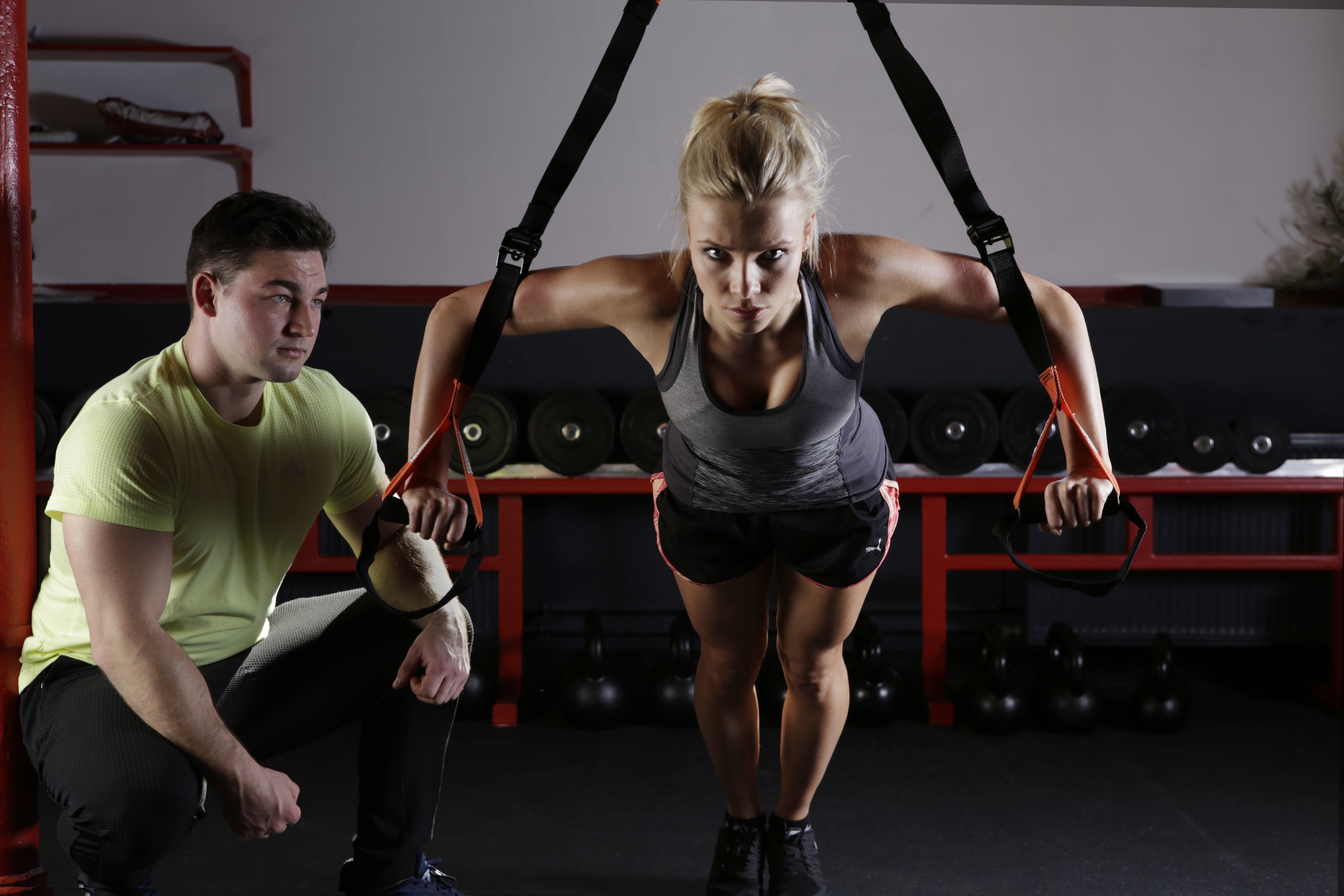
The stresses of everyday life can debilitate our physical, emotional and mental health. Most stress is sourced from our working climate, quarrels within relationships, or expectations from Hollywood and social media. Stress from these sources cause anxiety including feelings of anxiousness, helplessness, being criticized, being blamed for things, abandonment, or feeling defeated and weak.  Nobody wants to feel this way. However, the external influences based on the demands that are surrounding us easily impose this detrimental experience.  A quick fix solution to alleviate stress is the use of alcohol, recreational drugs such as marijuana, or smoking a cigarette. These create temporary solutions but still don’t address the overlying issue. Symptoms of unhealthy stress can be addressed with anti-depressants that are prescribed by doctors as well. While it’s true that anti-depressant prescriptions help alleviate stress, learning to depend on anti-depressants would still feed the temporary solution for a lifelong struggle we all deal with.  Stress can be managed more effectively. We coach our personal training clients in Napa on methods of lifetime fitness to help alleviate the harmful effects that stress puts on our lives. Exercise and physical activity can supplement the use of doctor prescribed anti-depressants and even replace them.  Before you finish this article, picture how good you would feel if you were to reduce a specific source of stress by about 50% while feeling more awake, energized and happier.


Along with stress responses that we get from everyday interactions of society, there are some specific stress hormones that can become out of balance in our bodies. The concentration of the stress hormone serotonin can be disrupted due to high stress environments. Serotonin is responsible for regulating sleep-wake cycle, mood, and appetite. Cortisol is another important stress hormone to think about. When we receive a release of non-exercise induced cortisol from a stressful stimulus, fat storage can be induced. Another critical hormone that gets disrupted from external stress overload is dopamine. Dopamine balance is important because it helps control feelings of accomplishment and it initiates the beginning movements of nerve-to-muscular interaction. The detrimental imbalances of these hormones in the body are avoidable and can be managed with the regular use of exercise.


Stress and anxiety can be caused by being in a depressed state of sadness or feeling alone. For instance, a windowless office that lacks sunlight and human interaction can introduce symptoms of depression. Lack of natural sunlight decreases dopamine production. Sub optimal levels of dopamine concertation lead to decreased feelings of self-acknowledgement and happiness. Lack of activity from staying inside can lead to decreased amounts exercise induced cortisol.  Cortisol during exercise is actually very beneficial toward exercise performance and utilizing fat as a fuel source as an “afterburn” effect following workouts.  However, high circulating levels of cortisol that are triggered from socially induced stress, create fluctuations to our thoughts, feelings and emotions. We get touchy, angry, and easily agitated. In addition, high levels of cortisol at a resting state will influence fat storage. A lack of activity will lead to non-exercise induced cortisol.  Lastly, increased stress will affect our regulation of serotonin.  Serotonin is a key component of the sleep-wake cycle of the human body.  Sleep is critically important to reset hormone balance every day.  When the sleep-wake cycle is hindered, stress hormone balance cannot properly return to healthy parameters.


It’s true that anti-depressants can offer solutions to hyper stressed individuals. The problem occurs with a dependency to rely on an artificially induced hormone response elicited from the anti-depressant source. When stress reduction is artificially induced from using an anti-depressant, we artificially hold back stress as well. This limits the stress management abilities that are needed to live a strong, healthy and happy life.  The anti-depressant is dealing with stress, not the individual. In that sense, we can develop a chemical dependency on anti-depressants.  Once again, anti-depressants come in recreational forms that can be obtained freely in our society such as alcohol, cigarettes or marijuana. In addition to developing a chemical romance with anti-depressants, there are side effects of becoming lethargic and moving slowly. It’s true that anti-depressants can decrease anxiety, however the side effects are suboptimal for our well-being and activity levels.


A solution to decreasing stress is to take some time out for yourself to move around and exercise. Physical activity and exercise naturally increase dopamine, cortisol, and serotonin balance to healthy parameters. In addition to the benefits of having optimal stress hormone concentration, the ability to make a conscious decision for self-improvement far supersedes depending on a chemical we must go out and buy. When learning to depend on ourselves, we become more powerful by making decisions to improve. Not only does exercise positively affect our mood, we are becoming more sensitive to the response of stress hormones that elevate our mood without the use of a prescription. When exercise is frequently performed, our bodies are less sensitive to the stimuli of stress. When we create a stimulus of stress from regular exercise, hormones can be managed more efficiently to balance out the effects of the stress society throws at us. There are various studies demonstrating how exercise increases positive self-talk.  Increased amounts of positive self-talk and exercise will result in increased amounts of circulating dopamine, decreased amounts of cortisol and balanced levels of serotonin.

Performing exercise and physical activity on a regular basis instead of reaching for a drink, smoking a cigarette or depending on anti-depressants will offer life changing improvements. While it’s true that doctor prescribed anti-depressants are very helpful for certain individuals who need it, we need to step back and assess where we are in our lives and how stress affects us. Before looking forward to a post-work day glass of wine, perhaps it would be a good idea to ask the questions: “Have you taken out sometime to make a gym session once or twice a week? What would happen if we were to run out of anti-depressants prescribed by doctors to deal with stress that is caused by our jobs and relationships with society?” When reaching for a bottle of beer to relax after a long day’s work, sometimes you regret the hangover and how it makes you feel the next day. The take-home message is after you drink a beer or the bottle of anti-depressants runs out, you have nowhere to turn. However, the weights in the gym and the energy your body possesses will always be there for you. How good would it feel to lose weight, gain muscle, feel more energized and be happy? I guarantee it feels better than withdrawals we can get from depending on antidepressants. You might regret some of the decisions you make after becoming stressed out when reaching for anti-depressants, but I guarantee you won’t regret the feeling of accomplishment you get after venturing outside to exercise.


Sean McCawley, the founder and owner of Napa Tenacious Fitness in Napa, CA, welcomes questions and comments. Reach him at 707-287-2727, napatenacious@gmail.com or visit the website napatenaciousfitness.com.