
“Have you read anything about vitamin K2?” asked a client of mine at the end of a training session. She found an article written for endurance athletes about the nutrients that support bone health, and she wanted to know what I thought.
The article made a good case. It walked through calcium, vitamin D, and vitamin K2, along with the foods that supply them, including leafy greens, egg yolks, organ meats, hard cheeses, and fermented foods. Calcium is the mineral that gives bone its hardness, and vitamin D helps the body absorb it. Vitamin K2 helps direct that calcium into the bones. Bone is built out of minerals, and those minerals come from what we eat. Anyone managing bone loss should talk with a physician or registered dietitian about the nutritional side of it.
The article closes by saying bones remodel based on the stress applied to them and the building materials available. Food supplies the materials. Physical stress signals to the body where those materials are needed. Resistance training provides that signal, making it one of the best vitamins we can take for our bones. Productive stress from safe, effective exercise doesn’t seem to get the same attention as supplements on the vitamin shelves next to the pharmacy. It also requires more effort than opening a bottle.
Osteoporosis is a condition in which bones gradually lose density and become more porous, with advancing age, hormonal changes, and long stretches of reduced physical activity all contributing to the process. Bone is living tissue. The cells inside bone respond to the forces that travel through them, rebuilding and reinforcing the mineral structure after the stress of exercise. Bone responds to the imposed demand of exercise-induced stress much like muscle, and so do the cardiovascular and nervous systems.
Everyday functional movements, exercise, and recreational physical activity such as hiking, long walks, and a jog around the neighborhood send force up through the feet, legs, hips, and spine. Recreational athletic physical activities might include cycling, paddling, tennis, or golf. However, bones carry less load when humans are sedentary or inactive.
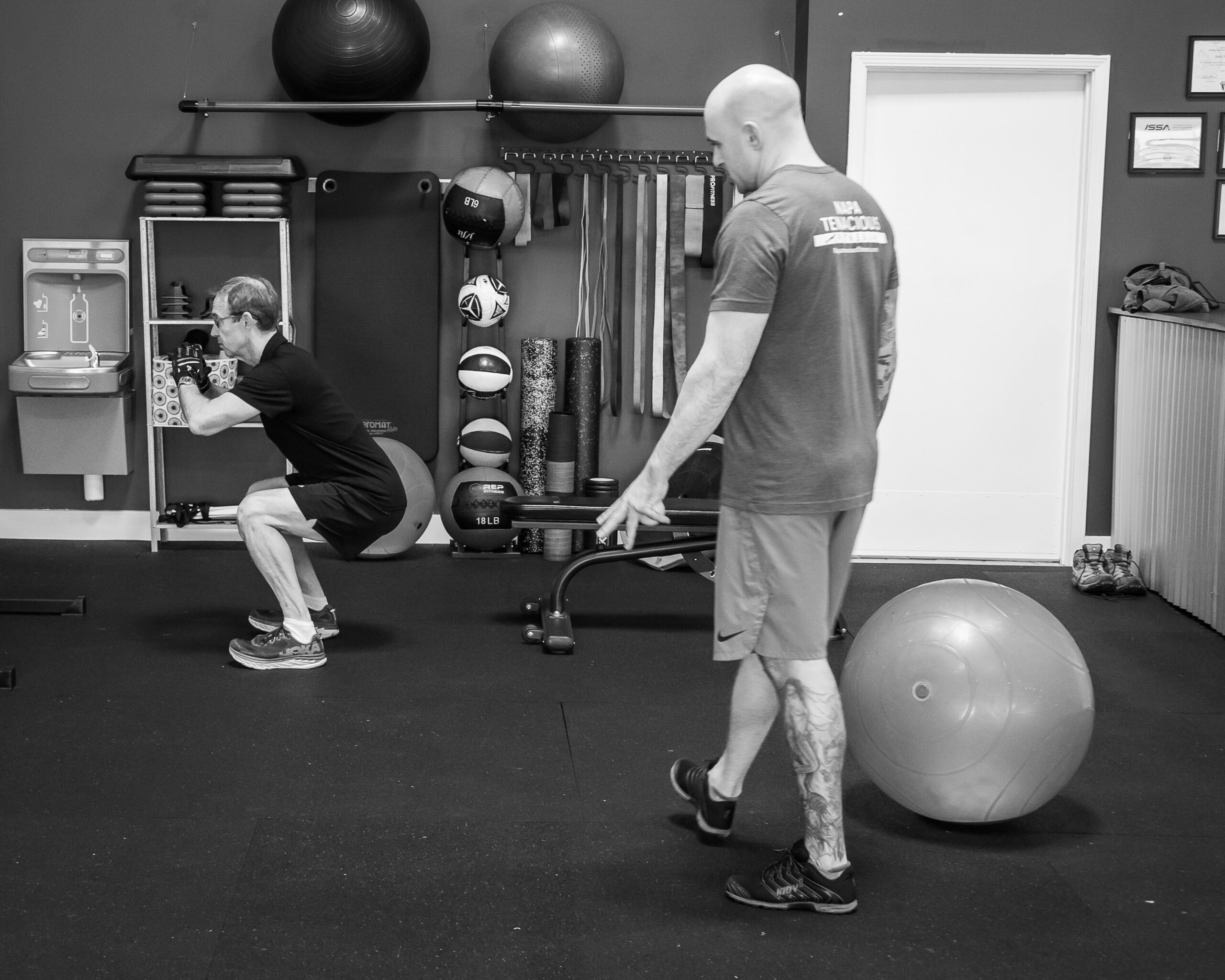
Exercises that produce an effective contribution of force are compound movements, which cross more than one joint. For example, a push-up loads the wrists, elbows, shoulders, and spine. A squatting movement loads the hips, knees, and ankles. These forces travel through the body’s large bones. When the muscles surrounding those bones are asked to produce force, the muscles adapt, and so do the bones, the joints, and the coordination of the nerves firing into those muscles.
Building strength by consistently practicing safe, effective compound movements helps maintain bone strength. Moving our bodies through space with control reduces the likelihood of a fall, and falls are what turn fragile bones into fractures. Better control can also reduce the likelihood of moving a joint beyond a safe range of motion. It’s worth speaking with a physician about bone density testing and about what kind of exercise is appropriate before starting a new routine.
The countertop push-up is a safe and effective exercise we use with our personal training clients to load the bones of the upper body. It requires nothing more than a kitchen counter, and it delivers force through the wrists, forearms, shoulders, and spine while the feet stay planted on the floor.
To perform the “countertop push-up,” stand facing a sturdy countertop and place your hands on the edge slightly wider than your shoulders. Walk your feet back until your body forms a straight line from your heels to the top of your head. Slowly lower your chest toward the counter, taking about three seconds on the way down, and press back to the starting position. Keep your hips in line with your shoulders throughout the movement. We recommend that our personal training clients start conservatively with new exercises, doing three to five repetitions. However, if you master and feel competent with this technique, we recommend more repetitions with proper form.
The human body adapts to the demands we impose upon it. Consistently practicing resistance training one to three times per week can pay invaluable dividends toward bone health. The article my client handed me was right about the building materials for bones. Eating the right foods and exploring supplements can support bone health and help manage osteoporosis. Resistance training tells the body where to apply those building materials, and, most importantly, it builds stronger muscles, better balance, and the confidence to keep moving through the activities we enjoy for years to come.
Sean McCawley, the founder and owner of Napa Tenacious Fitness in Napa, CA, welcomes questions and comments. Reach him at 707-287-2727, napatenacious@gmail.com, or visit the website napatenaciousfitness.com.