
Consistency can be defined as “the way in which a substance holds together” or “conformity in the application of something, typically that which is necessary for the sake of logic, accuracy, or fairness.” Adhering to specific actions that reinforce health and well-being supports goals for a fulfilling and enjoyable livelihood. Daily actions such as setting an alarm to wake up for work, making breakfast that grants sufficient energy and is easy on the stomach, taking a shower, and styling our hair to look polished for the day help us feel good about the impression we present to the world. Staying fit, managing weight, or ensuring the body is physically capable of handling the stresses of everyday life can feel like a more demanding daily commitment than our usual day-to-day tasks. The thought of putting on gym clothes, getting all sweaty, and physically exerting oneself isn’t as appealing as sitting down to scroll through an iPad and check the stock market or the news about the next hot topic in sports, celebrities, or world events. While maintaining consistent efforts to support our careers is invaluable and interacting with entertainment from digital devices is enjoyable, a commonly overlooked missing link is developing consistency in our exercise habits.
When people hear the word investment, they often think about stocks, retirement accounts, or real estate. But one of the most important portfolios a person manages every day is their physical health. The returns from health investments are evident in energy, mobility, independence, and quality of life. Most successful fitness journeys rarely come from once-in-a-while efforts. Significant, long-term fitness adaptations are built on small, consistent daily actions, which might seem minuscule compared to making regular deposits into a long-term account to build wealth.
Think of daily movement as an index fund of healthy behaviors. Rather than relying on one single type of workout, a variety of options can be selected throughout the week. For example, attending a gym session using machines to achieve a full-body resistance-training session on one day, such as leg press, chest press, or lat pulldown. Another day might include a yoga or BodyRock class that improves flexibility and balance. A brisk walk around the neighborhood or simple bodyweight exercises at home, such as sit-to-stands, wall push-ups, or step-ups, could be sprinkled in on days when time is limited. Each day’s activity may look different, but they all contribute to the same goals of maintaining consistent and effective exercise habits.
Just like financial contributions grow over time, small daily health behaviors compound. Drinking water first thing in the morning, taking daily walks, or performing a brief strength and conditioning routine once a week may seem minor on their own. However, over months and years, these actions build stronger muscles to support joints, refine balance to reduce fall risk, improve circulation and heart health, and build a great sense of confidence in one’s physical capabilities to perform challenging physical tasks.
Many aches and pains don’t necessarily come from doing too much. Underuse injuries can arise from doing too little. When the body suddenly needs to perform rigorous movement, weakness can lead to severe traumatic injuries such as lower back strains, loss of balance, or falling. Regular movement helps prevent both overuse and underuse injuries by keeping muscles active and joints supported. Reasons to practice simple, effective daily exercise include maintaining core strength, improving knee function by strengthening surrounding muscles, building bone density through weight-bearing activity, and improving functional strength for lifting, carrying, and getting up from the floor.
Outcomes of consistent movement aren’t always visible in a mirror. The ability to independently and autonomously adhere to daily exercise routines is a potent tool for success in the journey of lifelong fitness. Being able to carry groceries, play with grandchildren, climb stairs comfortably, and recover more quickly from life’s physical demands enables people to live happy, healthy, and strong lives. Fitness adaptations rarely hinge on one perfect workout. They come from showing up in small, yet powerful ways, day after day. In the end, health isn’t built through occasional effort. It grows from daily deposits of simple actions that, over time, yield the highest return of all, which is the ability to live in less pain, feel strong, and look forward to the invigorating gifts life offers us on the horizon.
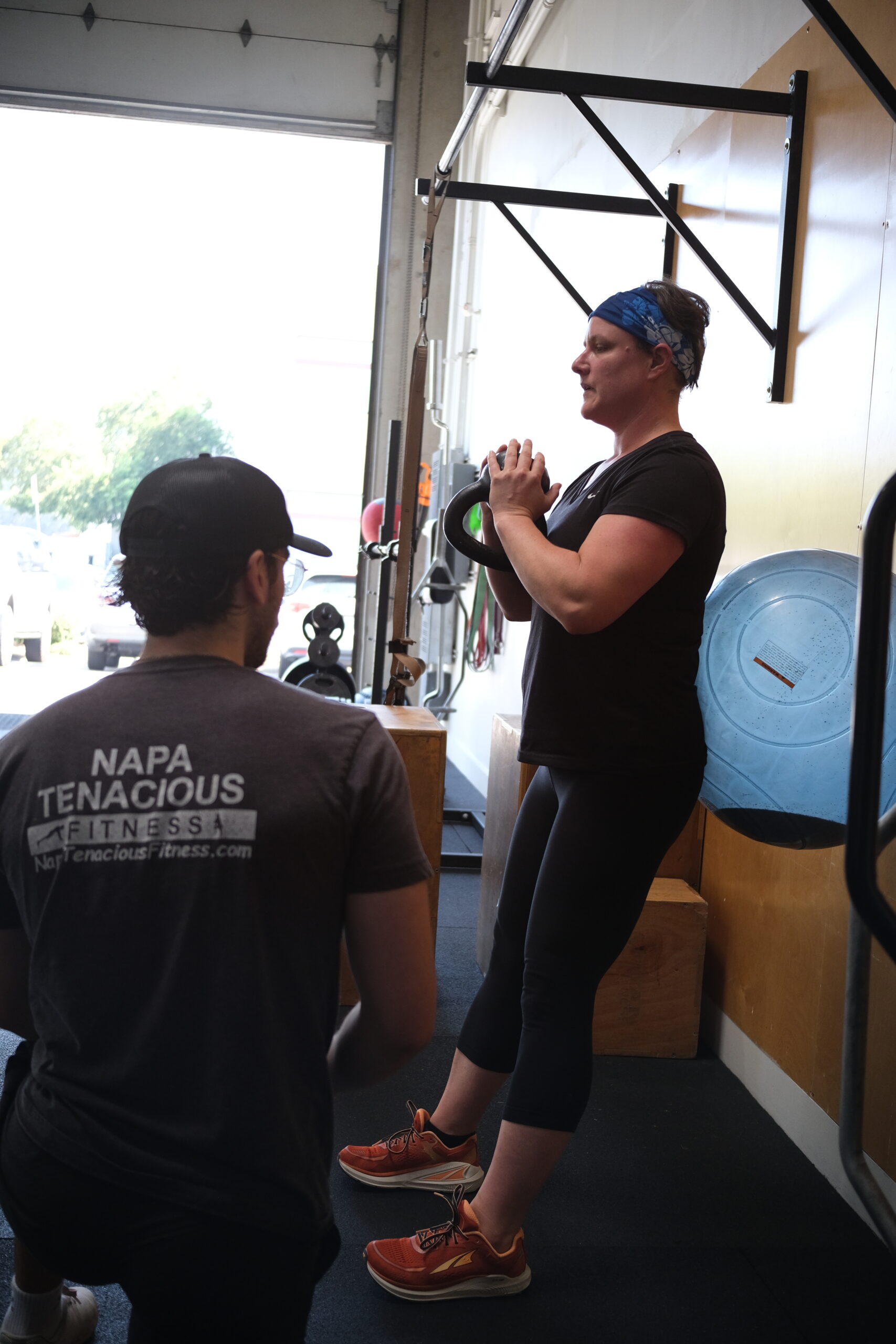
Sean McCawley, the founder and owner of Napa Tenacious Fitness in Napa, CA, welcomes questions and comments. Reach him at 707-287-2727, napatenacious@gmail.com, or visit the website napatenaciousfitness.com.