
The skeletal framework of bones beneath skeletal muscle is an important component for everyday functionality. The brain acts as the central command center, sending signals down the spinal cord to the extremities, instructing them to move in a specific manner. Muscular strength and neuromuscular coordination are essential for this process to occur efficiently and safely. Staying fit and maintaining a regular exercise routine strengthens muscles, improves communication between the brain and muscles, and supports strong connective tissue throughout muscle fibers. While muscles are undoubtedly an organ that benefits from regular exercise, it’s also worth noting that resistance training specifically supports bone health and plays a key role in managing conditions such as osteoporosis and arthritis.
Bones are comprised of living tissue. Cells within bones respond to forces applied to them. Similar to how muscle tissue experiences micro-damage from exercise-induced stress and adapts by rebuilding stronger tissue, bone remodels itself when optimal mechanical loads are applied, increasing bone mineral density.
Bone and joint health becomes increasingly important with age, across the stages of menopause, and when reduced physical activity is present. As we age, the turnover of bone cells slows compared to that of a younger adult. During menopause, decreased estrogen levels can accelerate bone breakdown, leading to increased porosity, reduced bone mineral density, and a higher risk of injury following unexpected events such as falls. If physical activity levels are low due to a sedentary lifestyle, bones and muscles won’t receive the stimulus to adapt to more physically demanding environments.
There are various management approaches that help mitigate the risks posed by osteoporosis, including diet and medication adjustments. However, when we peel back the layers of which tactic is most effective for managing the acceleration of bone loss and promoting bone strengthening, exercise is the best medicine.
Performing safe, effective resistance training regularly provides a steady stream of connective tissue adaptation by regenerating bone cells that withstand the stress of exercise. These changes don’t happen overnight. For example, we can’t do a set of ten push-ups and expect to become superhuman. Positive exercise-induced adaptation from resistance training takes anywhere from three months to a year to produce meaningful, long-term adaptations of bone strength and increased physical performance.
We recommend that our personal training clients focus on resistance training techniques that target the muscles of the upper and lower extremities and core. This full-body approach to resistance training delivers exercise-induced muscular stress to as much of the body’s surface area as possible. An example of a full-body resistance training routine might include push-ups, planks, and squats. These resistance-training exercises rely solely on body weight and gravity for resistance. Body weight exercises are safe, have a low learning curve, and help clients new to exercise build strength, endurance, and confidence in their performance relatively quickly. Once people experience the benefits of a simple, safe, and effective exercise routine, they tend to return to it because it is attainable, helps reduce pain, builds confidence in everyday activities, and leaves them feeling fulfilled and happy for doing something good for their bodies.
The trick is to perform resistance training regularly, one, two, or three times per week. Sticking to an exercise routine doesn’t compare to the simplicity of taking a handful of vitamins or pill supplements washed down with a glass of water. However, when a skillfully designed resistance training routine is integrated into a weekly routine, it can have long-term benefits for bone health and help prevent bone injuries, particularly in cases of degenerative bone conditions.
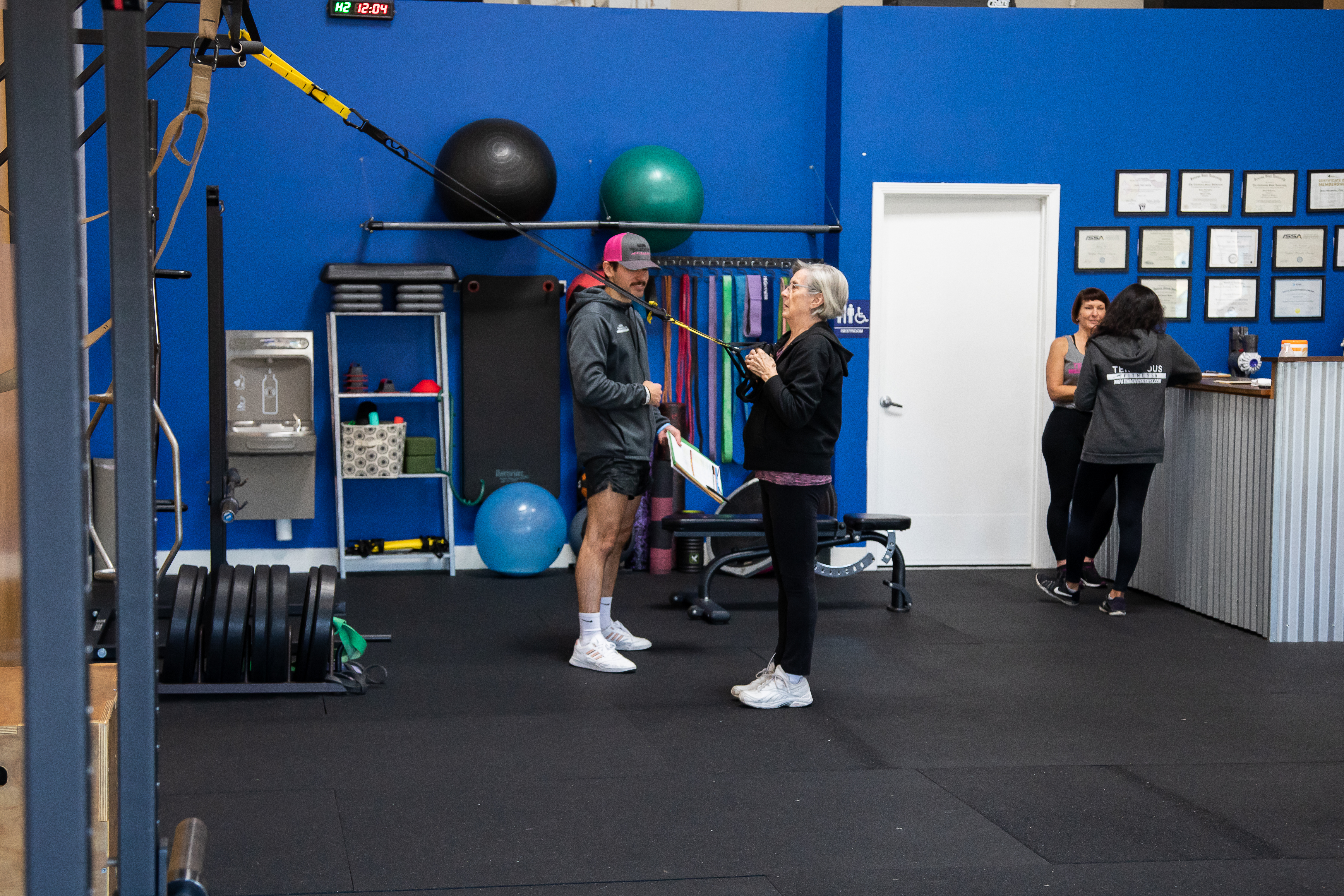
Sean McCawley, the founder and owner of Napa Tenacious Fitness in Napa, CA, welcomes questions and comments. Reach him at 707-287-2727, napatenacious@gmail.com, or visit the website napatenaciousfitness.com.