
An engaging and fun activity after a day of labor is playing a recreational sport. Golf, tennis, pickleball, running, and biking are some of the most popular sports among our personal training clients. Engaging in sports requires physical capabilities and athleticism, including the ability to endure long periods of potentially strenuous activity, consistent practice to refine the actions needed for the sport, and a certain level of strength, balance, and coordination.
Recreational sports are fun. Golf, tennis, pickleball, running, and biking commonly fall into the recreational physical activity category. Unless we’re in a competitive setting such as a tournament or league, engaging in these sports acts as a way for people to get their minds off the stresses of work and everyday life while getting a sense of accomplishment before the day ends. However, even at the recreational level, sports can be taxing on the body. Unfortunately, musculoskeletal injuries can occur when participating in activities that are seemingly safe and not too taxing on the body. This is where injury prevention through appropriately selected exercise is critical for participating in the recreational sports we look forward to.
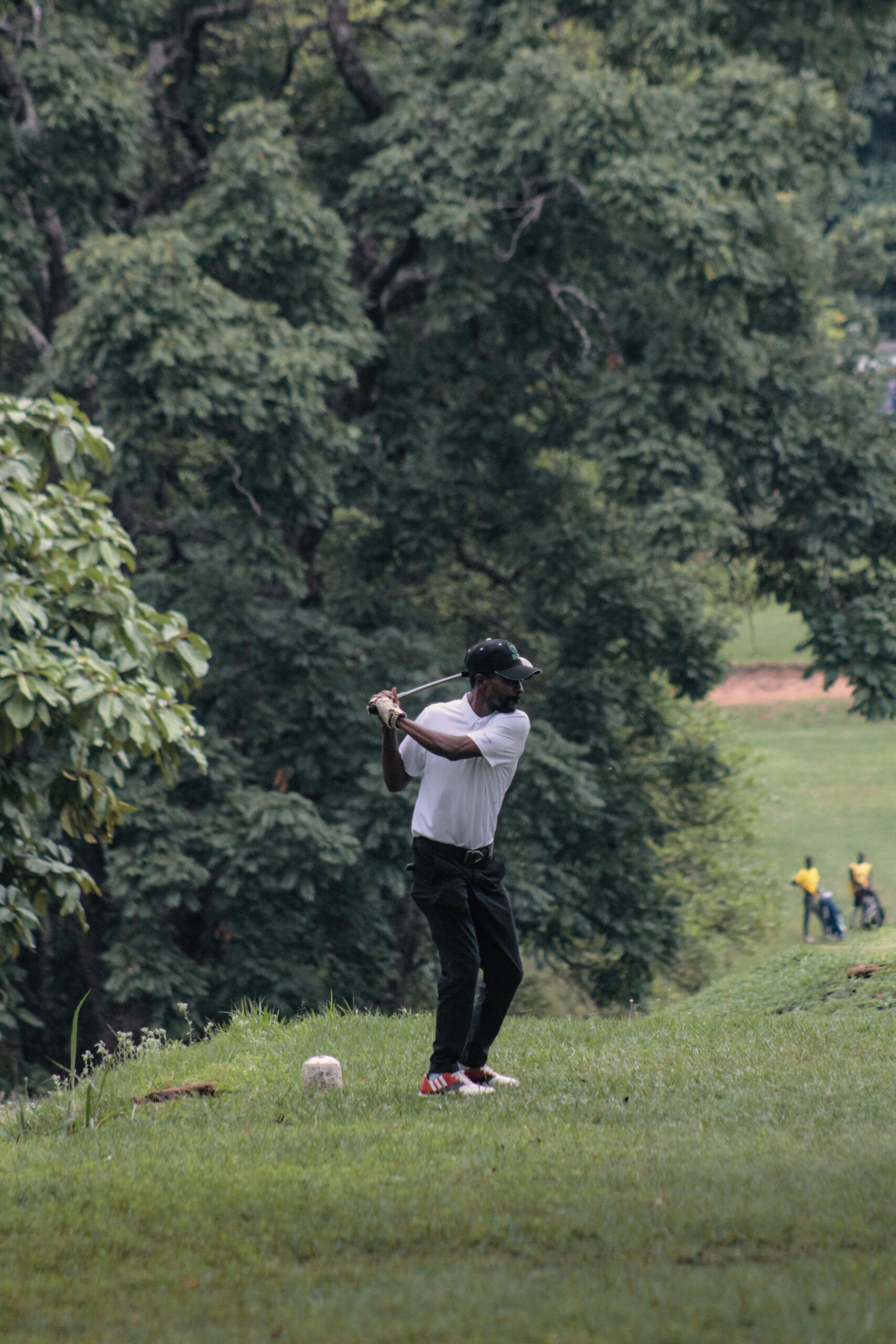
Injuries at the recreational-sport level can happen at the most inopportune times. For instance, after a few weeks of picking up golf and working on the complexities of a golf swing in driving, chipping, and putting, lower back, elbow, or knee injuries can appear. For those of us who enjoy racket sports such as tennis or pickleball, the stop-and-go motion when striking a ball can cause lower back, knee, or ankle pain. Even a seemingly simple recreational sport, such as Bocce ball, can produce lower back stiffness and soreness from bending over to roll a wooden ball on a Bocce ball league night, which requires two to thirty rolls per event.
While the likelihood of enduring a traumatic injury such as broken bones from a fall or torn ligaments, tendons, and other significant connective tissue isn’t common, overuse injuries from playing constantly throughout the week and adding hours of recreational sporting activities add physical stress to the body. After a few weeks of fun, consistent play, a few areas of soreness may develop. Awareness and understanding that a maintenance program of injury prevention and sport-specific strength and conditioning can significantly enhance the enjoyment of these recreational sports and, more importantly, keep us within the arena of play by mitigating the likelihood of overuse injuries.
Common areas in the body that become stiff, sore, and sometimes painful enough to make us aware that something is not right after a bout of recreational sporting activity include the back, knees, ankles, and shoulders. To offset the severity of these byproducts of discomfort, injury prevention tactics to these areas in the form of low-intensity resistance training and stretching performed outside the field of play can pay massive dividends not only toward optimizing performance, but also toward not having to worry as much about the suboptimal byproducts of pain and discomfort our favorite recreational sports might impose on the body. Below is an exercise we use with our personal training clients as part of injury prevention and strength and conditioning to help offset delayed-onset muscle soreness.
For lower back, shoulders and hips, the “bird dog” exercise is a simple, safe, and effective tactic:
To perform the alternating “bird dog” exercise, start by lying on the ground with your hands under your chest and your knees under your hips. With one arm in a stable position on the ground, lift the opposite arm out in front of the body and reach the fingertips as far as you can. At the same time, extend the leg on the opposite side of the arm extended behind you to straighten it as far as you can. Ensure the spine is as straight as possible. Ensure the back of the head stays in line with the spine throughout the movement. Additionally, maintain rigidity in your shoulder blades, spine, and hips to ensure your torso doesn’t rotate throughout the movements. Furthermore, ensure you dorsiflex the ankle of the extended working leg by keeping your toes pointed toward your body. You should experience muscular activation and a stretching sensation in the shoulder, core, lower back, and hips. Repeat this movement for five to ten repetitions on both sides of the body.
Recreational sports give us something to look forward to after enduring the stresses of everyday life. The ability to decompress, sweat, laugh, and hone a craft in an enjoyable sport is an invaluable asset to lifetime fitness efforts. Let’s ensure we stay fit for these activities so we can continue to get out and play for years to come.
Sean McCawley, the founder and owner of Napa Tenacious Fitness in Napa, CA, welcomes questions and comments. Reach him at 707-287-2727, napatenacious@gmail.com, or visit the website napatenaciousfitness.com.