
New Years, Goals, Introspection, and Losing Fat

“Fat loss,” were the words that were ejected out of Ramona’s mouth faster than the explosive reaction of water being sprinkled on a pan of oil at the smoke point.

We ask our personal training clients open-ended questions at the conclusion of their four-week exercise prescriptions.   Each exercise prescription includes a full-body strength and conditioning routine that is repeated weekly for four weeks, increasing exercise-induced stress with each week.  This could take the form of performing a few additional repetitions of a specific movement, lifting a slightly heavier weight, or increasing the duration of an endurance-based exercise.  After four weeks of a customized exercise routine tailored to the participant, the coaches create a slightly more challenging routine, including exercises that elicit adaptations in strength, mobility, coordination, and, most importantly, confidence and mastery of exercise techniques.

To identify a positive direction for exercises to include when a client enters a new four-week routine, a few discovery questions help us determine which exercises are most appropriate for the next phase.  Examples of information-gathering questions might include: “What specific movements do you feel were helpful to your progress?”  Or, “What specific results have you experienced from this previous phase design?” A question that seems to attract considerable attention is: “What does success look like to you after we complete this next four-week exercise phase?”

In Ramona’s case, she had apparently been thinking about a topic that was a critical success factor she wanted to aggressively achieve, losing fat.  An additional motivation for Ramona’s ambitious plan to lose weight was turning the page to January 1st, 2026.  Empowered with a new year’s resolution and the potent tool of success of having a group of lifetime fitness coaches by Ramona’s side, she was ready for the battle against the accumulation of subcutaneous fat mass.

Ramona exercises about five times a week.  She never misses her two weekly personal training sessions, uses a fitness-based dance app once or twice a week, and walks with her friends at least once a week.  Telling Ramona to exercise more at this point wouldn’t seem to be overly helpful.  I would think she already understands that consistent exercise leads to positive changes in body composition, increasing lean muscle mass and reducing fat mass over time.  She has the exercise adherence portion of fat loss handled.  So how can she lose more fat mass with what she’s already doing?

An open-ended question we ask clients who sometimes find themselves at plateau points throughout their fitness journey, especially when the goal is to lose fat mass, is the “RARE” acronym, which stands for Reduce, Add, Replace, and Eliminate.

What could Ramona reduce in her daily routine?  A few examples might include having a low-fat latte at her coffee shop during her early-morning breaks, or switching to tea instead of a mocha or caramel latte.

What could she add to what she does throughout her day?  Perhaps she could increase water intake or add an additional meal of whole foods, rather than drinking soda, eating packaged pastas, or prepared foods.

What could be replaced in her daily routine?  Maybe she could replace that time with a fifteen-minute walk and leave her phone at home once or twice per week instead of sitting and scrolling through Instagram, TikTok, or Nextdoor.

Would could she eliminate from her routine?  Could she have limited herself to only one glass of her favorite wine per week, as opposed to having a full bottle of wine every night?

As sticking points arise in people’s fitness journeys, it’s valuable to recognize what has already produced beneficial outcomes.  In Ramona’s case, she has an efficient and effective fitness routine that she enjoys and has etched as a solid anchor in her lifestyle.  However, when certain aspects of progress stall, a potential tactic of introspection is to pose a few open-ended questions that explore which tactics have room for refinement.  Establishing goals is powerful. Let’s not forget that laying out a plan, establishing specific tactics, and taking action toward those goals are critical for success.  In a time of year when resolution and ambition are as exciting as ever throughout the New Year, it can never hurt to ask yourself open-ended questions to help you take action toward your health and fitness goals.

Sean McCawley, the founder and owner of Napa Tenacious Fitness in Napa, CA, welcomes questions and comments. Reach him at 707-287-2727, napatenacious@gmail.com, or visit the website napatenaciousfitness.com.
One More Step Every Day

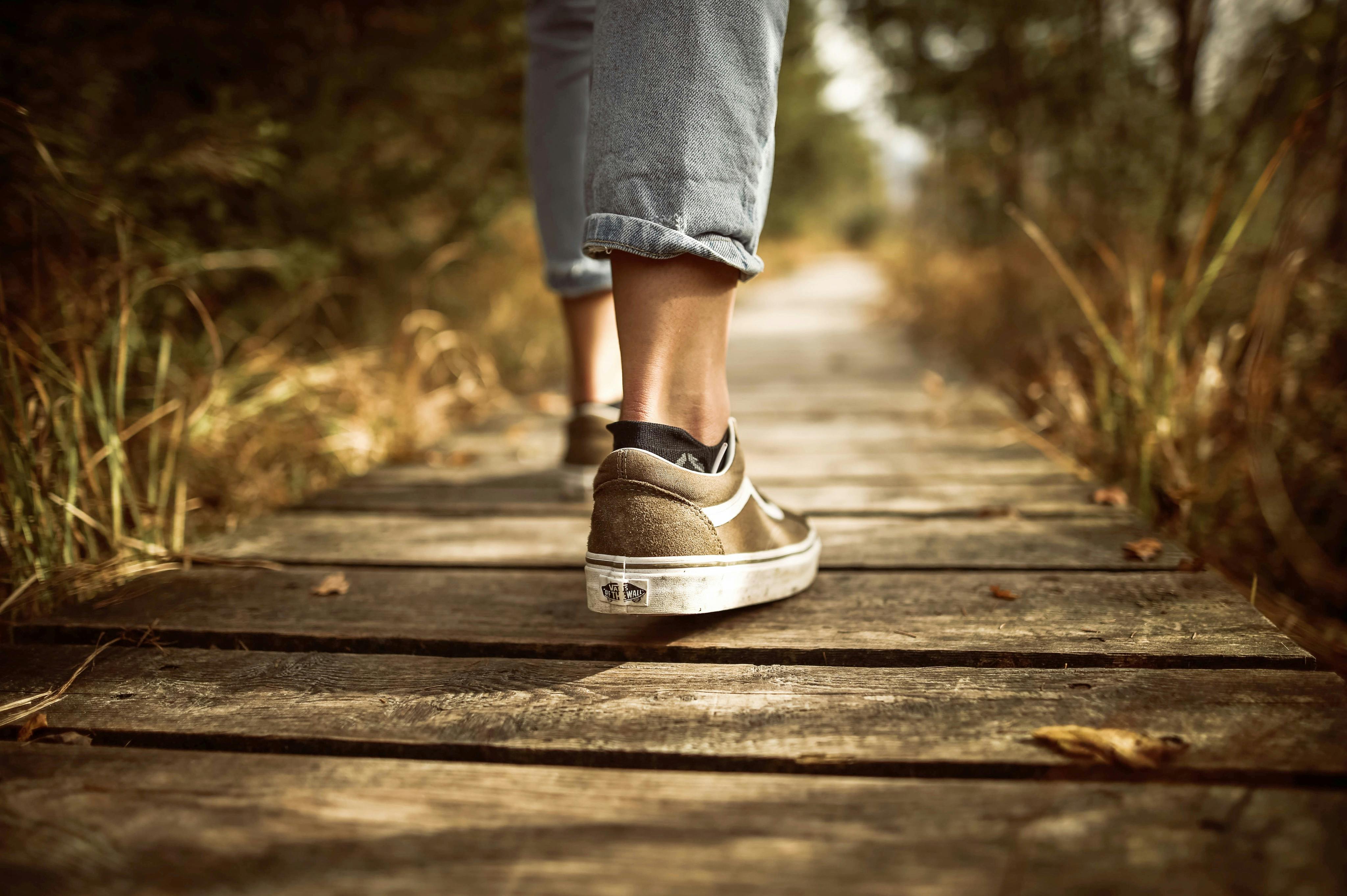
“I took a spill the other day,” commented my friend Marion.  After a look of concern hovered over my face, Marion continued to say, “Not really sure what happened.  I was taking my usual morning walk after I read the newspaper and, the next thing you know, I’m on the ground.”  He pointed to his right eye and smiled, “I got a pretty good shiner to go along with it, too,” as if bragging about the courageous victory of a revolutionary boxing battle with Jack Dempsey.  I expressed my concern to Marion, “You should be more careful.  This event could have been way worse than just a black eye.”  After a brief roll of his eyes and a snicker as if I was stating the obvious, “Well, I have to keep taking one more step further than I did yesterday if I want to keep moving.”

Marion deals with symptoms of lower extremity neuropathy on a daily basis that affects his lower extremities, specifically his feet.  As a man in his late seventies who worked as a union ironworker, bending rebar and moving large loads of building materials for ten hours a day for thirty years, Marion put immense physical stress on his spine.  Pair that with waking up at three in the morning to commute two hours from his home to wherever his contracted work placed him, to lay foundations of rebar in worksite developments, Marion’s back endured the stress of two to three lifetimes of a normal human’s life expectancy.

This physically taxing method of making a living to support his family and lifestyle took a toll on Marion’s body years later.  In the case of his neuropathy, the architecture of his spine degenerated to the degree that the inner lining of the spine compressed his spinal cord, and the outer border of his lumbar vertebrae tilted out of alignment to the point that it caused a series of bulging and herniated discs.  This condition compresses the spinal root nerves that bud out of the lateral aspect of the spine and innervate the motor nerves of the lower extremities.  When I go for walks with him, he says he feels like he’s “walking on ball bearings” because he can’t sense the ground beneath him, due to a lack of neuromuscular signaling to his lower extremities.

Research supports that regular strength and conditioning and aerobic exercise improve overall quality of life and help humans live longer.  Refining the muscles of the upper and lower extremities and the core allows the body to move more efficiently.  Cardiovascular exercise, such as walking long distances, hiking, or jogging, helps build endurance and creates more energy to get through the day.  It shouldn’t be cutting-edge news that exercise is one of the keys to longevity.  However, a component that seems overlooked is the motivating force that energizes and encourages people to keep moving.  In Marion’s case, after a long career of manual labor, he’s always looking to take that “one more step” than yesterday.

Marion’s spinal neuropathy is debilitating to his life.  However, he doesn’t let that slow him down, because he’s motivated.  During our walks, he tells me he enjoys playing chess with his grandson, watching his granddaughter earn another stripe on her Taekwondo belt, troubleshooting his teenage grandson’s questions he has about his latest carpentry project, and taking road trips to the coast to walk along the dunes.  These are just a few reasons Marion wants to take a few more steps than he did yesterday on his walks.  He knows that the desire to get up and walk, even when his body isn’t cooperating, is what will let him engage in the activities he enjoys as he turns another chapter in his life.

Sometimes that “one step” could be an extra block on a morning walk after the newspaper.  For others, it could be making sure they get their Pilates or Yoga classes in each week.  Or perhaps it is holding a plank for 5 seconds longer than you did in your last workout.  Whatever that “step” is that keeps the body moving is an attribute that empowers a happy, healthy, and strong component of success as we venture into another year of life.

Sean McCawley, the founder and owner of Napa Tenacious Fitness in Napa, CA, welcomes questions and comments. Reach him at 707-287-2727, napatenacious@gmail.com, or visit the website napatenaciousfitness.com.

Consistent Daily Rituals to Enhance Balance

“Every morning after I feed the chickens, I get my hose and spray off the bottoms of my rubber boots,”  Alfonse shared while conducting a single-leg exercise during one of his training sessions.  “I  practice this daily to test my balance,” he said as he wobbled and corrected his balance throughout the coordination and balance exercise I was coaching him through.  As he corrected his movements while being on one leg to ensure he didn’t topple over, he continued to share his balance-based experience  he conducts every morning, “I lift my foot behind me, stand on one leg, then point the hose toward the bottom of my foot and spray off the debris that gets stuck on my foot from the bottom of the chicken coop.”

Alfonse does this every day as part of his morning routine.  Not only does he participate in a ritual to take care of his beloved flightless avian friends, but he is also making a ritual to conduct a form of balance training that he may not necessarily consider a form of exercise that keeps him coordinated, strong, and able to function optimally in situations that introduce presentations of imbalance.

Balance is among the top themes of human performance that support a happy, productive, and fulfilling life.  Conducting dynamic activities that require changes of direction, getting up and down from the ground or a seated position, or turning one’s head to prepare for a potential threat are abilities that help us live longer and function effectively in our everyday lives.  The list of benefits of optimal balance can fill the pages of books on library shelves and produce an innumerable number of pages in peer-reviewed journals.  It should go without saying that balance is critically important to our everyday lives.

Similar to the vast list of benefits supported by research comparing individuals with optimal balance versus those with poor balance, there is no shortage of resources to help people conduct balance-based exercises.  Pilates and Yoga classes, personal training services, and a slew of exercise-based videos are available on any streaming device and social media platform.  One would think that we should all be able to move like Mikhail Baryshnikov given the available knowledge.  So, why aren’t people practicing their balance more often if it’s no secret that possessing optimal balance helps us live longer?

A few obstacles impeding the general population’s adherence to exercise might include availability, discipline, and mental capacity.  The demands of our lives to be successful at our jobs, in our interpersonal relationships, and to engage in social interaction require a lot of time and usually take priority in our lives over exercise.  The order of operations in prioritizing professional and family interactions before exercise time can seem more desirable and fulfilling than setting aside time for a gym visit, attending a yoga or Pilates class, or reserving an appointment with your favorite personal trainer.  It’s easy to see how exercise can take a back seat after the need to make money, spend time with loved ones, and relax.  Therefore, exercise can seem like work, a chore, or a mind-numbing wait in line at the DMV.  A way to counteract this and develop small, steady “IV-like” drips of refining balance and fitness variables is to make a little game out of it.

Mini games of balance throughout the day can be engaging, entertaining, and rewarding.  If we look at Alphonze, he’s already facing a balance challenge during his chicken care routine.  He knows it’s a challenge to bend his knee, balance on one leg, turn his head and look behind, then spray off the soles of his feet.  This is a test for his balance, coordination, and multitasking ability.  Combining multiple actions while performing muscular contractions and balance on one lower extremity produces a tremendous amount of neuromuscular interactions, induces the proprioceptive cells to react to corrections of imbalances, and engages the mind to make immediate decisions to either stay upright or get out of an uncomfortable situation that might end in falling over.

Incorporating small challenges of balance throughout everyday life plays a pivotal role in refining strength, injury prevention, and coordination.  An example might include putting socks on your feet without sitting down, such as kneeling down to put on a sock or lifting one foot up from a standing position to pull a sock over the foot.  Another example might include taking the stairs a few times a day rather than using a wheelchair ramp, an escalator, or an elevator.  If these small tests of balance are considered mini games throughout the day and can be accomplished, we get little wins that only take a few seconds to complete.  These little wins play a significant role in improving everyday function, including balance and coordination.

It’s pretty much guaranteed that a thirty- to forty-five-minute exercise routine consisting of a full-body strength and conditioning plan refines fitness levels.  However, let’s not forget how much value daily habits and rituals of testing our balance can be to enhancing our overall quality of life.

Sean McCawley, the founder and owner of Napa Tenacious Fitness in Napa, CA, welcomes questions and comments. Reach him at 707-287-2727, napatenacious@gmail.com, or visit the website napatenaciousfitness.com.

Knee Strength for Everyday Life Activities

The knee joint is comprised of connections between the femur, patella, tibia, and fibula.  These bones have various muscle, tendon, and ligament attachments that create a hinge joint allowing for knee extension and flexion.  The thigh bone is commonly understood as the femur, and the shin bone consists of the tibia and its partner, the fibula.  The knee cap is the patella. Straightening out the knee joint and aligning the thigh and shin bones is knee extension.  Shortening the joint angle and moving the shin bone closer to the thigh bone is knee flexion.  This simple movement of bending and straightening the knee is an important component of daily functioning.  For those of us who don’t think twice about how our knees bend and extend, perhaps it would be helpful to put ourselves in the shoes of the people dealing with afflictions to their knees that don’t bend or extend without extra effort, preparation, muscle stiffness and weakness, or bone-on-bone pain.

Forward strides in walking, stair climbing, and standing up from a seated position require the spine, hips, knees, ankles, and feet to work in unison.  When a joint is impeded by muscle weakness, joint stiffness, or structural damage to the connective tissue of one of the joints, lower-extremity movement can be hindered.  A few examples might include advanced cases of arthritis causing bone-on-bone contact due to cartilage degradation, damage to the structurally supportive tissues such as tendons, ligaments, or menisci. Deconditioning of muscles during the recovery process after knee replacement surgery or a previous injury can also affect knee health.

The two large muscle groups that power knee flexion and extension are the quadriceps and the hamstrings. Originating at the anterior portion of the hip, tracing down the front of the thigh, and attaching onto the proximal portion of the shin just below the knee cap, the quadriceps acts as a pulley that brings the shin toward the front of the body and extends the leg to a straightened position.  The hamstring is located on the posterior aspect of the thigh, originating just below the gluteal fold, extending along the posterior thigh, and attaching to the posterior aspect of the tibia and fibula.  Similar to its neighbor, the quadriceps in the front of the body, the hamstring acts as a pulley, bringing the leg from an extended to a flexed position.

While numerous muscles act as vital knee movers and stabilizers, the quadriceps and hamstrings have large surface areas that cover much of the thigh and produce significant movements that support the hinge-joint properties of the knee, which are bending and straightening.  The knee joint is held together by various ligaments that cross the knee. These ligaments act as brackets to maintain the integrity of the joint.  The knee is also equipped with a cartilaginous pad between the thigh and shin bones, which provides cushioning during lower-extremity compressive forces while walking, stepping down, or standing up from a seated position.  These deep intrinsic connective tissues of the knee, such as the cruciate ligaments and meniscus, don’t heal the same way skeletal muscle does.  In fact, when ligaments and cartilage are damaged, the repercussions of injury can remain for a long time.

A productive strategy to support knee-stabilizing connective tissue is to reinforce the skeletal muscle surrounding the knee.  The hamstring and quadriceps don’t only act as primary motors for significant knee movement, but they also aid in fastening the joints together so they don’t slide too far out of joint alignment.  This means that with strong hamstrings and quadriceps, the integrity of knee ligaments and cartilage can be reinforced.

An exercise we conduct with our personal training clients to strengthen the quadriceps includes the seated knee extension:

To perform the seated knee extension, sit flat on the ground with optimal posture, with one knee extended where the heel is flat on the ground and the other flexed to a position where the entire foot is flat on the ground.  While keeping the toes flexed toward the body, extend one leg as if attempting to touch the back of the knee, and gently contact the ground until a slight muscular sensation is experienced in the quadriceps and kneecap region.  Repeat this movement for five to ten repetitions on each leg.

If we aren’t experiencing knee pain, it’s easy to bypass the need to strengthen them.  However, as life stresses accumulate and age advances, knee issues may become more prevalent.  Perhaps we can spend a little time strengthening the knee muscles before problems arise.

Sean McCawley, the founder and owner of Napa Tenacious Fitness in Napa, CA, welcomes questions and comments. Reach him at 707-287-2727, napatenacious@gmail.com, or visit the website napatenaciousfitness.com.
Maintaining Strength and Muscle with Age

Sarcopenia can be defined as the loss of muscle during the natural aging process.  As people age, there are usually changes in their psychological, emotional, and physical health.  Shifts in family life, interpersonal relationships, or career settings create stimuli that prompt people to adjust to various demands as we age.  Along with matching the pace of life’s multiple stresses, connective tissue in the body endures them as well.  In the case of sarcopenia, skeletal muscle mass endures years of physical demands that could have been produced by physical stress from manual labor, underuse injuries, or an accident that might have caused a decrease in physical activity.

Something that is always certain in our lives is the sun setting and rising, which occurs three hundred and sixty-five times per year.  Some of us have seen this happen for more decades than others.  For those of us who have experienced the changes in the world for fifty to ninety years, a few physical maladies may have been experienced as well.

While there may be multiple contributors to sarcopenia and a decrease in muscle mass with age, there are other risk factors that become more prevalent with age as well, including decreased joint mobility, increased risks of falling and repercussions from the events of falling, decreased functional strength, and the introduction of metabolic disease due to low levels of physical activity.  Sure, our muscle size might not be as pronounced as that of a young man at the age of twenty-one or the pristine, majestic figure of an eighteen-year-old female gymnast.  However, that doesn’t mean we need to give up on the mindset of staying happy, healthy, and strong, or on counteracting the effects of aging on our well-being.

A common question we hear from our newer personal training clients is “How can I increase lean muscle mass when my doctor tells me my strength is decreasing due to my sarcopenia?”  A powerful question I often ask to generate potential remedies for this issue is: “What does your current exercise routine consist of?”  The answers vary from “nothing at all” to an illustrious story of biking two to three times a week, frequently walking the Vine Trail from north Napa to Yountville, or playing tennis, golf, or pickleball three to four times a week.

It should go without saying that individuals in the “nothing at all” category would benefit from starting with introductory-level, safe, low-impact physical activities once or twice a week, such as taking a ten-minute walk or practicing simple bodyweight exercises.  For individuals who are already active and engage in regular recreational athletic activities, they’re looking to fill a gap they know exists to counteract the effects of aging and sarcopenia.  My follow-up question for the already sporty and physically active individuals looking to counteract the advancement of age and sarcopenia is, “Do you practice any resistance training exercises?”  More often than not, I get the response, “What’s resistance training?”

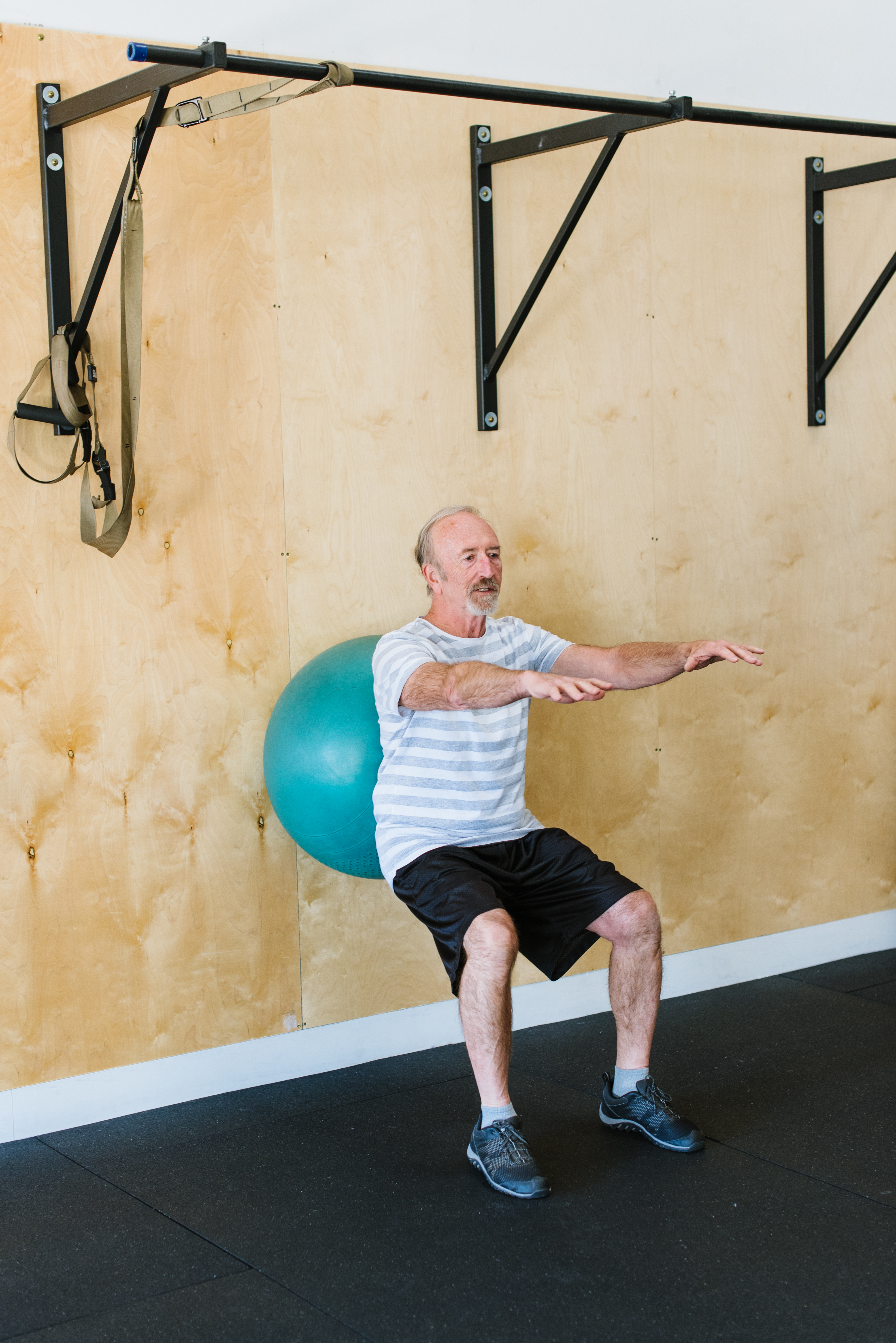
Resistance training can be defined as practicing the action of performing a set amount of physical movements against a form of resistance that exceeds the demands of normal physical activity.  A common form of resistance training might be a squat, plank, or push-up.  In this case, the resistance is a strenuous movement in which the body resists gravity, and the joints move through a range that might not normally occur during a typical day of activities.    However, people exhibiting sedentary behaviors aren’t exposed to the physiological stress of resistance-training-specific bouts of exercise.  For example, will a desk worker who sits at their desk for five to six hours per day find themselves on the ground holding a plank for thirty seconds or pushing themselves up from a prone position twenty times?  Probably not.

The practice of training strenuous movements through controlled exercise-based stimuli that are outside the body’s comfort zone induces a positive feedback response at the microscopic level in skeletal muscle.  The SAID principle means “specific adaptation to an imposed demand.”  When the body is consistently exposed to resistance training, the likelihood of enhancing skeletal muscle size, strength, and neuromuscular coordination can be increased.

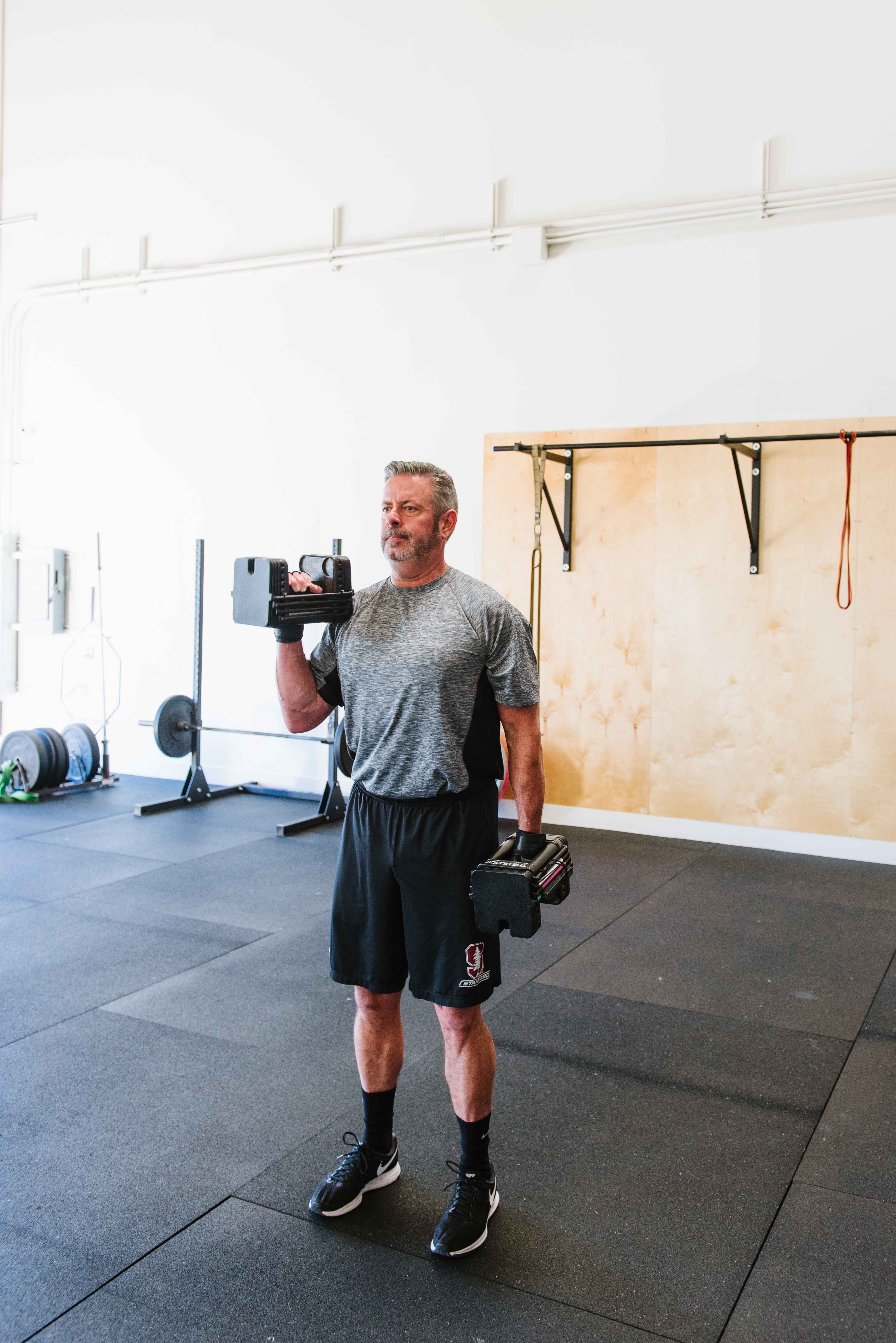
If the discovery of sarcopenia or decreased strength is present, it might be helpful to look at what is missing in the management of strength and conditioning exercises present in daily routines.  Recreational athletic physical activities are undeniably a critically important asset to happiness, health, and longevity.  Let’s not forget that the muscles allowing us to perform those activities need attention as well. Practicing full-body resistance training one to three times per week can help manage sarcopenia and age-related changes in strength.

Sean McCawley, the founder and owner of Napa Tenacious Fitness in Napa, CA, welcomes questions and comments. Reach him at 707-287-2727, napatenacious@gmail.com, or visit the website napatenaciousfitness.com.
Good Posture-Keep Your Armpits Over Your Hips

Our brain is encased within the skull and sits atop the first vertebrae of our spine.  Featuring the central command center in which all of the decisions to send electric signals down our central nervous system to our organs and muscles, the brain is arguably the most important part of our body.  Without it, we can’t do much.  It should go without saying that the brain is a noteworthy organ that deserves care. The cervical vertebrae are a collection of seven uniquely shaped spinal bones forming the neck.  The skull sits atop the seven cervical vertebrae.  Featuring the ability to tilt the skull up and down, rotate side to side, bend laterally, glide forward and backward, and rotate in a gimbal-like fashion, the cervical vertebrae serve as an integral part of protecting and holding the head upright.

A network of cervical stabilization muscles connects the cervical vertebrae to the skull, connects each cervical vertebra, and connects the cervical vertebrae to the clavicle and shoulder blades.  These muscles are critical for granting structural support and powering the mechanical movement of the neck.  Ensuring these muscles are conditioned and managed to operate optimally enables the neck to function with less distraction of pain, tightness, or weakness.

The muscles, tendons, and ligaments that attach the skull to the cervical vertebrae provide structural support to maintain optimal alignment of the skull on the cervical vertebrae.  These neck muscles also serve as motors not only to move the head in various directions, but also to act as isometric stabilizers, keeping the skull in an uncompromised position.  However, when these muscles are damaged by a previous injury or deconditioned due to poor exercise adherence, the integrity and functionality of the neck can be significantly compromised.  If our neck can’t hold our skull in proper alignment, one could imagine the ability to see, smell, hear, or taste could be hindered if we can’t keep our head upright.

A cue we give our personal training clients throughout their training sessions is to “keep the arm pits over the hips.”  We get some puzzled looks when we mention this to our new exercise participants, who hear this odd terminology for the first time.  However, the cue pertains to ensuring a strong, well-supported posture to avoid injury and to reinforce healthy habits in their everyday lives.

Imagine looking at a human body in the lateral plane, or the side of a person’s body.  This would be viewing someone to see the right or left side of their body.  If a person has a curved back in which their head is stooping forward, the spine is bending akin to the structure of a fishing pole, which applies tremendous strain to the muscles of the back, the discs within the back, and the nerves that bud out of the spine to innervate the body’s organs.  This “hunch back” position creates undesirable conditions, leading to pain and dysfunction in everyday activities.  More often than not, this posture demonstrates that the armpit region isn’t lined up over the hips.

“Keeping the armpits over the hips” can be cued in both sitting and standing.  While viewing the side of someone’s body, draw an imaginary line from the ground that travels straight up through the heels, knees, hips, torso, armpits, and ears.  If a person stacks their body upright and lines those reference points in a straight line, their armpits will likely be over their hips, and a curve in the back won’t be as pronounced.  However, if the arm pits slouch too far forward anteriorly, a slumped forward curvature of the back is likely present.

Adhering to an exercise routine one to three times a week can significantly improve function and reduce the likelihood of back and neck injury.  A strong core and well-conditioned muscles supporting the body’s major joints are an integral part of being healthy and fit.  However, let’s not forget these small, yet invaluable cues, such as standing up straight, looking forward, and “lining the armpits over the hips” to refine our lifetime fitness efforts.

Sean McCawley, the founder and owner of Napa Tenacious Fitness in Napa, CA, welcomes questions and comments. Reach him at 707-287-2727, napatenacious@gmail.com, or visit the website napatenaciousfitness.com.
Strong and Healthy Feet

“Oh my goodness, those shoes are adorable.”  This is one of the many comments I hear when I eavesdrop on conversations among patrons and passersby when I’m out to dinner or grocery shopping with my wife.  Indeed, she is a true fashionista at heart, and you’ll usually find her dressed to the nines seven days out of the week.   For me, it’s either athletic shoes or flip flops.  Growing up a gym rat, dabbling in martial arts, and embracing the true relaxed mentality of displaying the image of Johnny Utah, who Keanu Reeves played in the epic nineties movie Point Break, one could imagine my choice of footwear is the polar opposite of a woman with the super power of effortlessly pairing her shoes with any outfit at any time of the day to produce a visually stunning and eye catching experience for any human within eye sight of her presence.  Unlike my wife, who has the elite fashion sense that parallels Marie Antoinette’s genius, fashion never caught up with me.

The appearance of our feet when we’re out in public is an entertaining and engaging experience.  Plus, if you look good, you usually feel good.  So, cute shoes are a good thing for people.  However, the foot beneath the intricate display of protective and supportive cloth that catches the eye of other humans who appreciate footwear aesthetics is equally, if not more, important to our everyday functional capacity.

The human foot contains over twenty bones and thirty joints.  Compared to other large joints of the body, such as the knees, hips, and shoulders, the bone-to-bone attachments of the feet are a highly organized system of connective tissue in a small area.  It’s worthwhile to appreciate the vast network of nerves, blood vessels, tendons, ligaments, and muscles of the feet.  The feet support our human functions as we stand from sitting, walk from place to place, and engage in recreational athletic activities.

The big toe, the arch of the foot, and the ankle are just a few features of the foot that support everyday functionality and human performance.  The main function of the big toe is to direct the body through the foot in a direction of travel.  If the big toe is injured or has an issue, such as bunions or advanced arthritis, that causes it to malfunction, normal walking activities can be significantly hindered.

The arch of the foot contributes to optimal control of ankle inversion and eversion.  Inversion can be described as “rolling the ankle,” where the arch of the foot turns toward the midline of the body.  Ankle eversion is the opposite action, where the arch of the foot collapses inward, and the pinky toe side of the foot rolls upward and away from the midline of the body.  If the arch of the foot inverts, the outer portion of the ankle joint can become unstable, leading to a tendency for the foot to roll after stepping off curbs, down steps, or during change-of-direction activities such as decelerating from jogging or running.

Ankle eversion occurs when the arch of the foot caves inward.  The collapse of the arch of the foot triggers a chain reaction that influences the inward collapse of the knee joint, which can decondition the hips and cause lower back soreness.  Along with the big toe, the arches of the feet and the ankle joints should be given equal attention to the other areas of the body when focusing on injury prevention tactics.

To prevent joint dysfunction, pain production, and presentations of imbalance produced by insufficient foot strength, the importance of practicing lower extremity resistance training, balance training, coordination, and mobility training can’t be overstated.  Examples of exercise practices shown to improve foot function include taking Yoga and Pilates classes, practicing ankle-strengthening and stretching movements, and paying attention to which shoes feel best on the feet during prolonged bouts of walking.

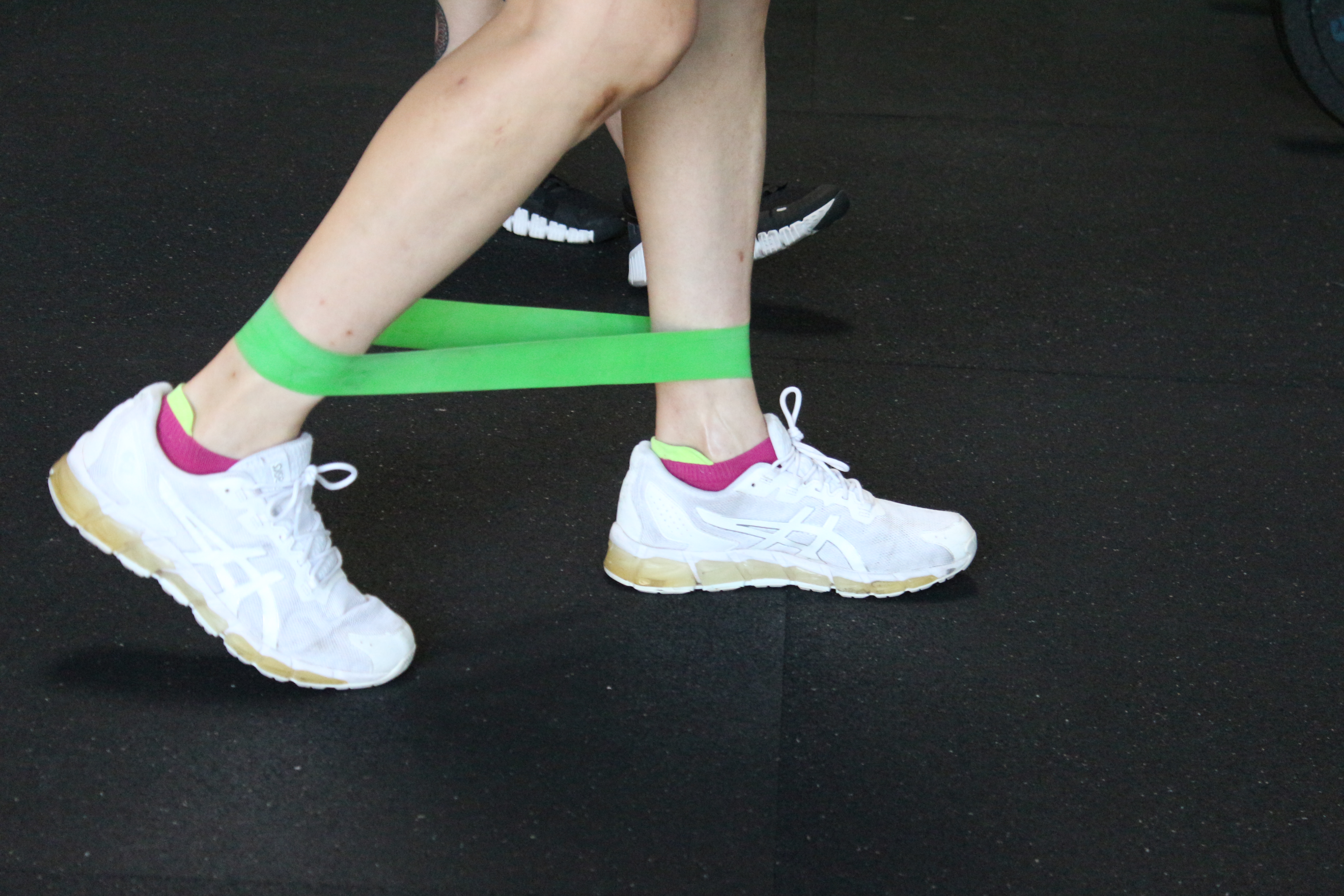
A simple and effective form of exercise we conduct with our personal training clients, targeting the muscles of the toes, foot arches, and ankle, is the heel-to-toe walk:

To perform the heel-to-toe walk, stand with both feet on the ground and toes facing forward.  While distributing your center of gravity toward one foot, gradually bring the opposite foot forward until it is just before your stable foot and touch your heel to the toe of the stabilizing foot.  Once your balance has been recalibrated to the new leading foot, bring the trailing foot around the stabilizing foot and repeat the same movement, traveling in a straight line.  Travel forward in this movement for about the length of five to ten feet.

Something as simple as the toes, sides, and tops and bottoms of the feet is critically important to our everyday lives.  Dedicating time to foot strength and conditioning can help us live happy, healthy, and strong lives.

Sean McCawley, the founder and owner of Napa Tenacious Fitness in Napa, CA, welcomes questions and comments. Reach him at 707-287-2727, napatenacious@gmail.com, or visit the website napatenaciousfitness.com.
Consistent Exercise Helps Reduce Joint Pain

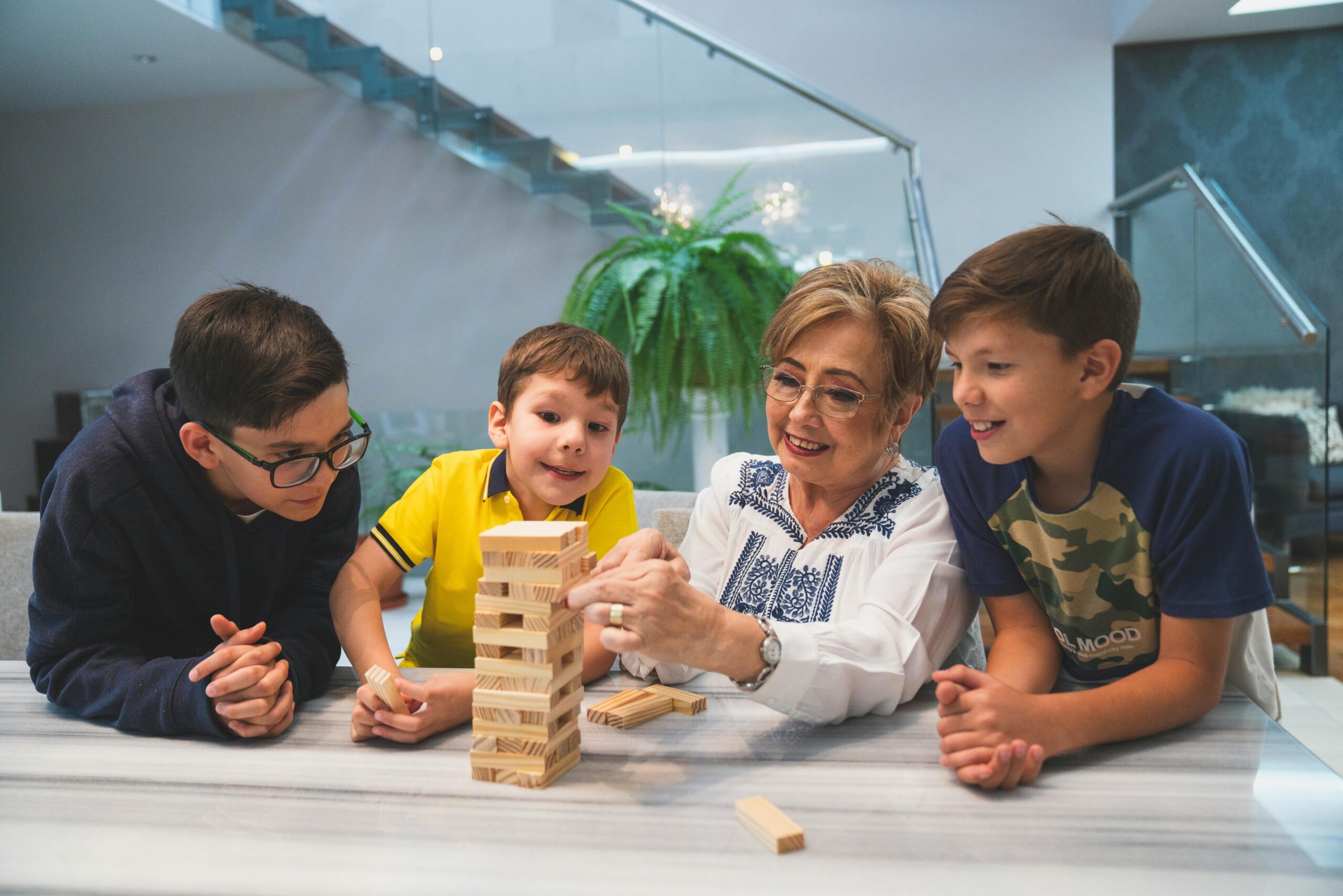
Recreational physical activities bring joy to our lives.  If we have kids or grandkids, sporty physical activities such as heading out to the field to play catch or getting down on the ground on the hands and knees to interact with a 6-month-old infant, require the confidence, coordination, and strength to bend the knees, move from our torso, and depend on strong upper extremities.  Fun weekend recreational activities, such as a tennis match, eighteen holes of golf, a three-hour bout of pickleball, a run with a local running group, or a mountain bike trek through Skyline Park, depend on our health and fitness being at an optimal level.

Recreational physical activities serve as a form of exercise, contributing to fitness adaptations that support our overall health.  For example, playing a full point in a tennis match requires a tremendous amount of aerobic capacity, as it involves getting back to the line to serve or return a serve after sprinting in the previous point.  Getting done with a round of golf requires an individual to have enough stamina to endure three to six hours under the sun.  Riding up and down hills through technical and rocky terrain on steep, inclined trails on the side of a mountain requires balance, coordination, agility, and muscular endurance of the lower extremities, as fast-twitch muscles activate throughout a mountain-biking session.  The demands placed on the muscles during these activities put substantial exercise-induced stress on them.

The body’s musculoskeletal system adapts to the demands of physically exerting activities.  After three months of practicing and playing consistent tennis or pickleball, embarking on two to three-mile runs a few times a week, mountain biking, or walking the golf course creates adaptations for the body to have an increased amount of lean muscle mass, less fat mass, and the ability to endure longer bouts of physical activity before fatiguing.

While these adaptations are optimal for helping us become physically strong enough to interact with the things we enjoy in life, the body doesn’t just get stronger on its own.  The stress imposed on muscles throughout recreational physical activity also affects our joints and connective tissue.  Therefore, a plan to mitigate the effects of joint pain through a skillfully designed exercise practice is beneficial for the overall experiences we want to participate in and enjoy the activities we love.

Research supports that consistent compliance with strategically designed exercise practice improves performance in recreational physical activities.  A strong deterrent to engaging in physical activity is the perception of pain throughout and after the activity.  Who would want to play a few games of tennis if they know the byproduct is going to be a week’s worth of feeling like their knees got hit with a hammer?

To counteract the effects of joint pain during everyday and recreational physical activity, strengthening commonly used joints through exercise is beneficial for greater functional ability, reduced anxiety, and decreased joint pain during the activities people enjoy.  The knees, hips, shoulders, and lower back are among the most commonly used areas in recreational physical activities.  Therefore, a strength and conditioning plan to reinforce muscles powering those joints can contribute to a more optimal experience in our recreational physical activities.

Exercises that focus on the glutes, hamstrings, quadriceps, and calf muscles support the hip and knee, and ankle joints.  Common exercises that activate the lower extremity muscles include squats, stepping, hip bridges, and calf raises.  The shoulder joints includes the upper arm, chest, and shoulder blades region.  Upper extremity pushing and pulling movements, such as rowing or pressing exercises, activate the trapezius, latissimus dorsi, biceps, triceps, and muscles of scapular stabilization.  The spine is a chain of bones that runs from the skull to the hips.  Muscles that reinforce the spine include the paraspinal muscles, abdominals, and deep intrinsic core muscles.  Exercises that will strengthen posture and core strength include planks, dying bugs, and other movements that maintain an upright, organized spine, such as the cat and cow pose practiced in Yoga classes.

Muscle soreness and pain are two different things.  After engaging in physical activity that uses muscles, we might feel a little sore.  However, after an activity, we might experience joint pain.  If we were to choose between the types of pain, delayed-onset muscle soreness seems more desirable than joint pain.  To decrease the onset of joint pain so we can engage in the physical activities that make life amazing, consistent compliance with a skillfully designed exercise practice is a productive habit to ingrain in our lifetime fitness journey.

Sean McCawley, the founder and owner of Napa Tenacious Fitness in Napa, CA, welcomes questions and comments. Reach him at 707-287-2727, napatenacious@gmail.com, or visit the website napatenaciousfitness.com.

Prioritizing Core Exercises Fitness Routines

Let’s take a moment to reflect on a few simple actions that we do in our everyday lives.  The start of the morning usually entails rolling out of bed, standing up, and walking to our next location in the house.  It could be the bathroom, the kitchen, or scaling a set of stairs.  After our morning rituals have been completed, we might embark on an activity that includes sitting down to read, heading to town to run errands, or going to our jobs. Workplace activities involve a variety of situations in which our bodies are in different positions, including sitting in front of a computer, commuting in a car for extended periods, or attending meetings via web conference.  On the more physically demanding side, a workday might involve moving heavy objects on the ground, stocking shelves, or working with bulky equipment. The demands of balance, spinal stabilization, and core endurance are commonly overlooked necessities for these tasks.

A high majority of the working and retired population need their bodies to function properly so they can rotate from the torso, bend over to pick up objects, and get up and down from a seated position.  These seem like simple movements every human should be able to perform without thinking twice.  However, the repercussions of core weakness, in the form of deconditioned core muscles, overuse injuries, or neglecting the need to address a compromising musculoskeletal disturbance, are all too common.

A vital component of our body’s framework includes a series of connective tissues consisting of our bones, ligaments, tendons, and muscles.  These components keep our body upright and allow us to exist in our everyday lives.  Similar to large steel columns that hold together multistory buildings, our connective tissue is organized to keep our bodies upright and able to rotate, lengthen, and shorten through the thousands of movements we conduct throughout our everyday physical activity.  Large steel beams, subfloors, and cross-members holding houses and buildings together are intricately designed to withstand forces from multiple sources.  Buildings can withstand thousands of humans walking on multistory buildings, wind pushing the building from side to side, and even earthquakes that violently shake buildings without warning.  The skeletal framework residing in the middle of our bodies operates similarly.

The center of the body includes the shoulder blades, spine, and hips.  This area, located between the armpits and hips, can be identified as our core.  The insertion point of the spine into the hips, along with the muscles that hold those joints together, has similar structural properties to those of steel beams, two-by-fours, and concrete that support buildings, maintaining the body’s upright posture.  The difference between our body’s infrastructure and a building’s makeup is that our body isn’t held together by steel beams, cement columns, framing screws, and mechanically inserted nuts and bolts designed to withstand the stresses of natural disasters.  Our muscles hold our skeletal framework together.  Without strong muscles, our framework can collapse.

Understanding and appreciating the location of core muscles that support significant attachment points can help improve functional activities.  For example, the spine consists of a series of vertebrae that stack on top of each other.  Each one of these spinal bones has a small multifidus muscle that connects one vertebra to the other.  These tiny muscles, which hold each bone in the spinal column together, maintain the upright position of the spine when standing.  Other muscles that connect to the spine, such as the abdominal muscles, help rotate the torso.

A simple and effective exercise we conduct with our personal training clients that has an immediate impact on strengthening core muscles is the straight arm incline plank.

To perform the straight-arm incline plank, place your arms on an incline surface that is approximately hip height.  While keeping your arms straight and your hands just underneath your eyebrows, lean forward in a plank position.  Maintain this static position for a desired amount of time.  You should feel muscular engagement in the front of the shoulder, chest, triceps, and abdominals.  It’s essential to maintain a straight posture and avoid sagging in the lower back.  Hold this position for ten to thirty seconds.

Unlike the metal and cement infrastructure of five-story hotels that can withstand a substantial amount of force, our core muscles are organic structures that decondition if neglected.  However, the engineering of the human body promotes muscular growth after safe, efficient, and effective exercise has been applied to an area of skeletal muscle.  Remember to prioritize core stabilization and strengthening exercises when participating in a fitness program.  By exercising core muscles just one day a week, we can positively influence the body’s ability to maintain good posture, reduce the likelihood of injury, and stay strong throughout our everyday lives.

Sean McCawley, the founder and owner of Napa Tenacious Fitness in Napa, CA, welcomes questions and comments. Reach him at 707-287-2727, napatenacious@gmail.com, or visit the website napatenaciousfitness.com.

Tactics to Control Holiday Overeating

Clocks have officially been set back an hour, the sun is setting sooner, and a subtle nip fills the morning air.  As the majestic landscape of Napa Valley transitions from vibrant hues of green to shades of burnt orange, umber, and sandy brown on the grape leaves that line the countryside, we can sense fall is drawing to a close and winter is just around the corner.  Along with the changes of environment the cooler months bring us, the traditions of the end of American year-end celebrations bring about rituals involving common holiday feasts and themes at many households, workplaces, and schools.  November and December mean getting ready for a Thanksgiving feast, where a substantial amount of food is piled on the table, and we see holiday-themed treats brought home from school or scattered around desks and break rooms at our jobs.

The years’ end typically brings a sense of closure in preparation for the new year.  As we endure the colder, darker months, the tradition of having Thanksgiving and holiday treats offers a sense of comfort.  Some people take half the week off to spend time with their families during Thanksgiving week.  Kids come home from college and elementary school to take their winter breaks during Thanksgiving week.  Similar to coming home after a long day of work, kicking the shoes off, flopping on ones favorite recliner, grabbing a beer and flipping on Monday night football to let off some steam after a busy work day, the Thanksgiving and holiday season offer a broader sense of taking some time off from our usual hustle and bustle to eat comfort food and relax physically, mentally, and emotionally.

Let’s not forget the month immediately following holiday season, January 2026.  A popular theme that sparks a craze among people are New Year’s resolutions.  Common New Year’s resolutions include learning new skills, being a better person to those around us, and one of the most popular goals: losing weight.

It should come as no surprise that weight loss is a challenging concept to master.  Analyzing what foods we eat, modifying dietary habits, and exercising more can be a daunting modification to normal daily routines .  If we add in the splendors of indulging in holiday comfort foods such as cookies, a week’s worth of leftover turkey sandwiches, and enough mashed potatoes to fuel an elementary school’s rations for the week, we’ve built a blueprint for storing subcutaneous fat mass.  This would be a perfect formula for a bear that wants to hibernate through winter since it doesn’t have food available in the arctic tundra as it sleeps for a few months.  However, we’re not bears.  We’re humans.  When humans overeat for a period of weeks to months, we increase the likelihood of storing fat mass, which takes a tremendous amount of physical, mental, and emotional energy to shed.

With the threat of overconsumption present during these holiday seasons and deterrents to engage in physical activity due to cold and wet weather, the need for dietary awareness can’t be overstated.  A tactic we commonly discuss with our personal training clients to aid in managing overeating is to focus on eating treat foods on the same day as exercise.  This means that when we know a large meal is scheduled, engaging in physical activity or exercise is critical in counteracting the effects of converting calories to fat.

If calories are consumed during a day of inactivity, most of the calories won’t be utilized as energy.  For example, after sitting down all day to watch Thanksgiving football, drinking eggnog and apple cider, and snacking on the family’s delectable selection of buns, cookies, and fudge, a significant amount of calories is absorbed by the body.  When the body doesn’t use those calories as energy, they convert to fat mass.  However, if the body has a reason to shuttle those calories toward the regeneration of muscles that have been stressed from physical activity, those calories can be utilized to repair skeletal muscle.  Furthermore, burning calories during an exercise session or physical activity creates a gap for calories to be consumed due to the amount of substrate expended to fuel the exercise.  In other words, before we embark on a holiday food excursion, it’s probably a good idea to prepare our bodies by conducting some form of physical activity or participating in an exercise session to mitigate the effects of taking in the bliss of holiday food.

We don’t get many times where we can be thankful for family and friends and be in the same setting while enjoying a delicious feast.  We must cherish those experiences.  By preparing for events of indulgence by exercising and moving more on days we know we’re going to indulge in copious amounts of food, we’ll start our New Year’s resolution lifetime fitness goals off on a strong foot.

Sean McCawley, the founder and owner of Napa Tenacious Fitness in Napa, CA, welcomes questions and comments. Reach him at 707-287-2727, napatenacious@gmail.com, or visit the website napatenaciousfitness.com.