
“Oh my goodness, those shoes are adorable.” This is one of the many comments I hear when I eavesdrop on conversations among patrons and passersby when I’m out to dinner or grocery shopping with my wife. Indeed, she is a true fashionista at heart, and you’ll usually find her dressed to the nines seven days out of the week. For me, it’s either athletic shoes or flip flops. Growing up a gym rat, dabbling in martial arts, and embracing the true relaxed mentality of displaying the image of Johnny Utah, who Keanu Reeves played in the epic nineties movie Point Break, one could imagine my choice of footwear is the polar opposite of a woman with the super power of effortlessly pairing her shoes with any outfit at any time of the day to produce a visually stunning and eye catching experience for any human within eye sight of her presence. Unlike my wife, who has the elite fashion sense that parallels Marie Antoinette’s genius, fashion never caught up with me.
The appearance of our feet when we’re out in public is an entertaining and engaging experience. Plus, if you look good, you usually feel good. So, cute shoes are a good thing for people. However, the foot beneath the intricate display of protective and supportive cloth that catches the eye of other humans who appreciate footwear aesthetics is equally, if not more, important to our everyday functional capacity.
The human foot contains over twenty bones and thirty joints. Compared to other large joints of the body, such as the knees, hips, and shoulders, the bone-to-bone attachments of the feet are a highly organized system of connective tissue in a small area. It’s worthwhile to appreciate the vast network of nerves, blood vessels, tendons, ligaments, and muscles of the feet. The feet support our human functions as we stand from sitting, walk from place to place, and engage in recreational athletic activities.
The big toe, the arch of the foot, and the ankle are just a few features of the foot that support everyday functionality and human performance. The main function of the big toe is to direct the body through the foot in a direction of travel. If the big toe is injured or has an issue, such as bunions or advanced arthritis, that causes it to malfunction, normal walking activities can be significantly hindered.
The arch of the foot contributes to optimal control of ankle inversion and eversion. Inversion can be described as “rolling the ankle,” where the arch of the foot turns toward the midline of the body. Ankle eversion is the opposite action, where the arch of the foot collapses inward, and the pinky toe side of the foot rolls upward and away from the midline of the body. If the arch of the foot inverts, the outer portion of the ankle joint can become unstable, leading to a tendency for the foot to roll after stepping off curbs, down steps, or during change-of-direction activities such as decelerating from jogging or running.
Ankle eversion occurs when the arch of the foot caves inward. The collapse of the arch of the foot triggers a chain reaction that influences the inward collapse of the knee joint, which can decondition the hips and cause lower back soreness. Along with the big toe, the arches of the feet and the ankle joints should be given equal attention to the other areas of the body when focusing on injury prevention tactics.
To prevent joint dysfunction, pain production, and presentations of imbalance produced by insufficient foot strength, the importance of practicing lower extremity resistance training, balance training, coordination, and mobility training can’t be overstated. Examples of exercise practices shown to improve foot function include taking Yoga and Pilates classes, practicing ankle-strengthening and stretching movements, and paying attention to which shoes feel best on the feet during prolonged bouts of walking.
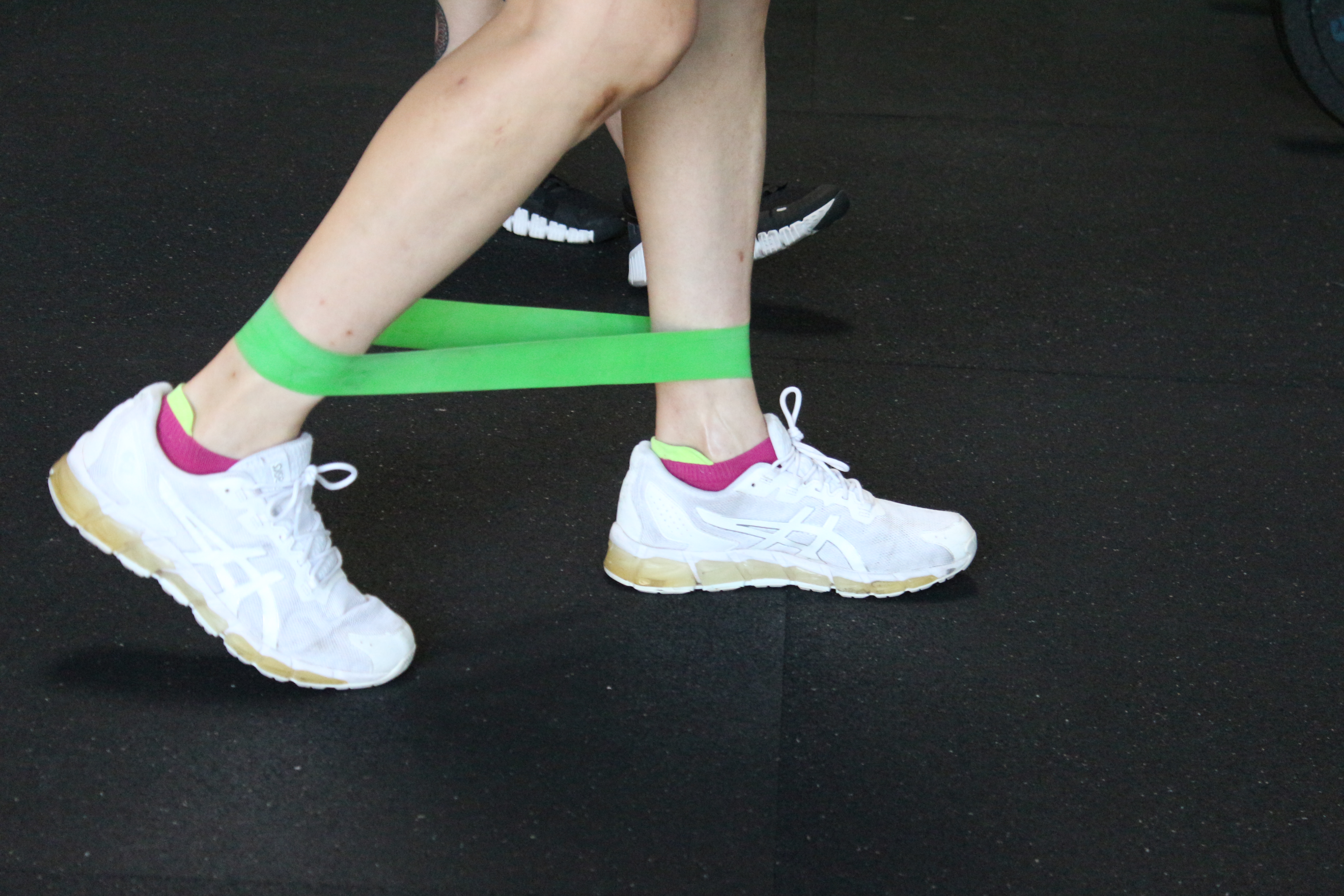
A simple and effective form of exercise we conduct with our personal training clients, targeting the muscles of the toes, foot arches, and ankle, is the heel-to-toe walk:
To perform the heel-to-toe walk, stand with both feet on the ground and toes facing forward. While distributing your center of gravity toward one foot, gradually bring the opposite foot forward until it is just before your stable foot and touch your heel to the toe of the stabilizing foot. Once your balance has been recalibrated to the new leading foot, bring the trailing foot around the stabilizing foot and repeat the same movement, traveling in a straight line. Travel forward in this movement for about the length of five to ten feet.
Something as simple as the toes, sides, and tops and bottoms of the feet is critically important to our everyday lives. Dedicating time to foot strength and conditioning can help us live happy, healthy, and strong lives.
Sean McCawley, the founder and owner of Napa Tenacious Fitness in Napa, CA, welcomes questions and comments. Reach him at 707-287-2727, napatenacious@gmail.com, or visit the website napatenaciousfitness.com.