
A recent trip to Tulsa, Oklahoma, gave me the opportunity to connect with rarely visited distant relatives and experience the state’s iconic features. Along with learning that the scissor-tailed flycatcher is the state bird, whose silhouette is featured on most license plates, I became familiar with the state dish: chicken-fried steak. This was on almost every menu and displayed as a brunch special, from the most basic truck stop diner to the fanciest upscale restaurants. The one-pound cube steak is coated in flour, deep-fried in oil, and doused with a fine coat of midwestern-style white gravy. Oklahoma’s state dessert, the apple hand pie, joins the deep-fried, flour-based food family. Pairing these iconic Oklahoma-style hearty, rib-sticking, belly-expanding combinations in one sitting produces the perfect storm of calories that won’t make you want to eat for another forty-eight hours.
Oklahoma holds a special place in my heart due to the fascinating line of events in my family’s heritage that led to my existence in Northern California. My grandfather was born in Oklahoma and relocated to California somewhere between the 1930s and 1940s to join the army. One could imagine that, after being an official “Okie” with an upbringing in an agricultural worker family and being dirt poor in the middle of nowhere, Oklahoma, the opportunity to join the military and fly airplanes at a base with sunny and moderate weather located near Burbank, California, would be enticing to a young country boy coming from the Midwest plains.
Even though the consumption of deep-fried, hilariously calorie-dense food items containing processed carbohydrates goes against my intuition as someone who has studied how to help people have happier and stronger lives via optimal dietary decision making, I appreciated where this dish came from and how it served as a nutrient-dense meal for people who didn’t have the resources of healthier food options nearly one-hundred years ago. My grandfather shared stories of his youth in Oklahoma, where his typical breakfast consisted of biscuits and gravy, and his evening meal was biscuits with meat. He shared that the area he was in lacked the resources to produce the robust, fresh, and vibrant veggies and healthy items that are currently available in our sunny area of California on a moment’s notice. We can go to the grocery store whenever we want and purchase eggs, any vegetable we want, and pre-packaged carbohydrates that are ready to consume with just five to ten minutes of preparation. We have a significant advantage in terms of food resources and the ability to make healthier decisions compared to previous generations, who faced scarcity and lacked access to nutritious food options, particularly in the arid, bone-dry plains of Oklahoma in the 1930s which lacked the sophisticated organization and availability of healthier food options we currently have available.
Work and family obligations can pose challenges to dietary tactics. Travelling can take us to areas where we lack the convenience of having our usual foods readily available. As I journeyed through Tulsa, surrounded by neon-lit signs advertising chicken-fried steak and fried apple pie, I realized I needed to practice discipline and employ a few tactics to maintain healthy lifetime fitness habits.
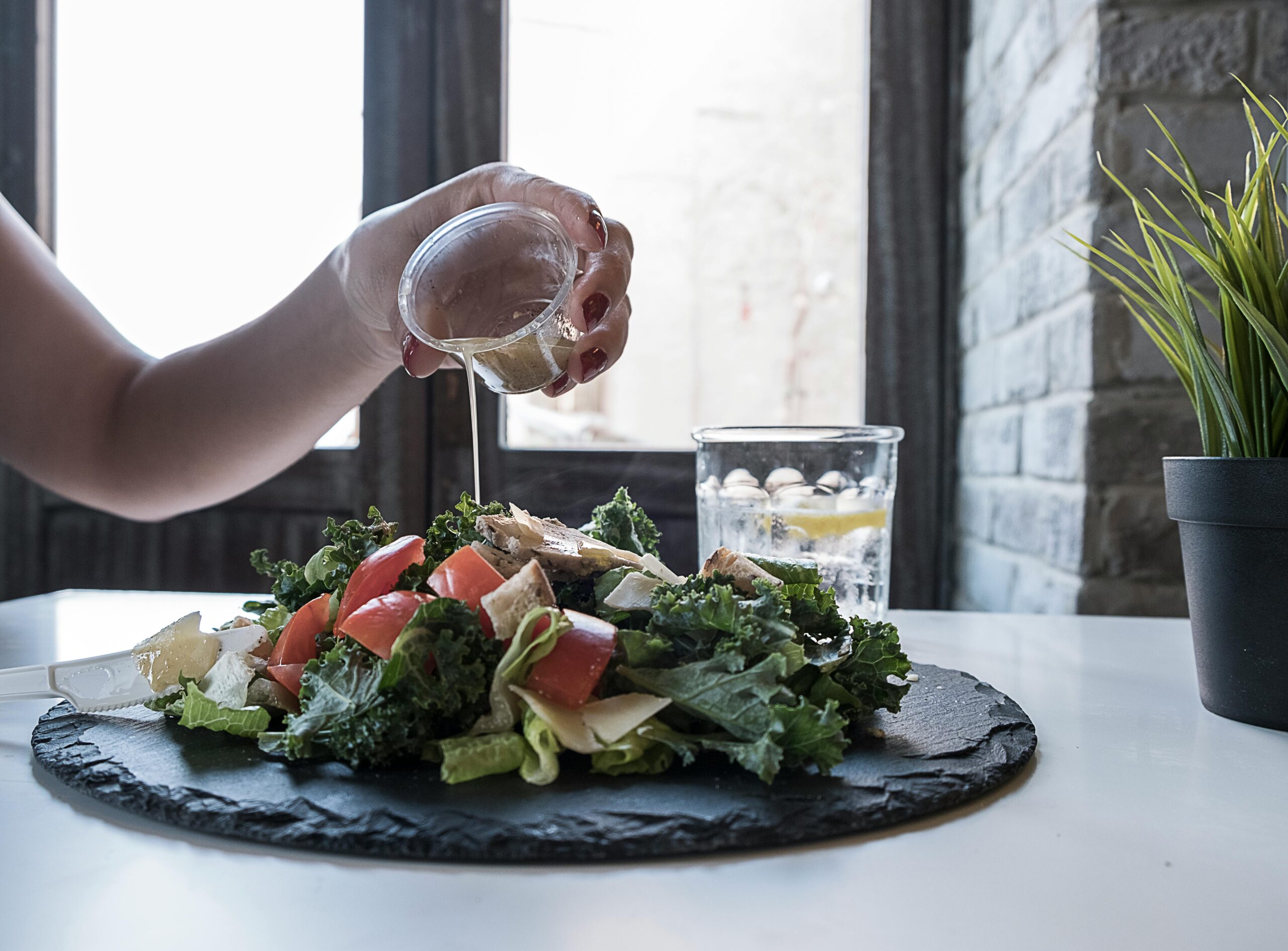
To counteract the effects of my insulin skyrocketing and returning to Napa ten pounds heavier than usual due to consuming copious amounts of traditional “Okie” food, I practiced a few nutritional decision-making tactics we share with our personal training clients to help them when they travel. Searching out restaurants before the trip and reviewing the menus of nearby eateries is a valuable tactic for making optimal dietary choices when we’re outside our usual healthy eating comfort zone. There was a restaurant close by that offered side dishes along with breakfast, like a serving of yogurt, a side of eggs, or chicken apple sausage. Additionally, I examined restaurant menu items featuring salads and appetizers with leaner protein options, including shrimp dipping dishes, hummus, veggie dishes, and grilled steak salads.
To help stay on track when traveling, logistics can lead us to places where food resources are uncertain. It might be helpful to research and map out a few healthy food options before we even step into the plane or get in the car. Perhaps a store nearby offers packaged salads, or a restaurant features a menu with lean proteins and veggies. We might be away from the comfort of the healthy food items we are accustomed to at home, but that doesn’t mean we need to fly off the rails completely and only eat what’s popular in a foreign land. More often than not, there are healthy items available. When travelling, set aside some time before departure to prepare, so that we can support our healthy eating efforts by surrounding ourselves with the most nutritious food items available.
Sean McCawley, the founder and owner of Napa Tenacious Fitness in Napa, CA, welcomes questions and comments. Reach him at 707-287-2727, napatenacious@gmail.com, or visit the website napatenaciousfitness.com.