
“I took a spill the other day,” commented my friend Marion. After a look of concern hovered over my face, Marion continued to say, “Not really sure what happened. I was taking my usual morning walk after I read the newspaper and, the next thing you know, I’m on the ground.” He pointed to his right eye and smiled, “I got a pretty good shiner to go along with it, too,” as if bragging about the courageous victory of a revolutionary boxing battle with Jack Dempsey. I expressed my concern to Marion, “You should be more careful. This event could have been way worse than just a black eye.” After a brief roll of his eyes and a snicker as if I was stating the obvious, “Well, I have to keep taking one more step further than I did yesterday if I want to keep moving.”
Marion deals with symptoms of lower extremity neuropathy on a daily basis that affects his lower extremities, specifically his feet. As a man in his late seventies who worked as a union ironworker, bending rebar and moving large loads of building materials for ten hours a day for thirty years, Marion put immense physical stress on his spine. Pair that with waking up at three in the morning to commute two hours from his home to wherever his contracted work placed him, to lay foundations of rebar in worksite developments, Marion’s back endured the stress of two to three lifetimes of a normal human’s life expectancy.
This physically taxing method of making a living to support his family and lifestyle took a toll on Marion’s body years later. In the case of his neuropathy, the architecture of his spine degenerated to the degree that the inner lining of the spine compressed his spinal cord, and the outer border of his lumbar vertebrae tilted out of alignment to the point that it caused a series of bulging and herniated discs. This condition compresses the spinal root nerves that bud out of the lateral aspect of the spine and innervate the motor nerves of the lower extremities. When I go for walks with him, he says he feels like he’s “walking on ball bearings” because he can’t sense the ground beneath him, due to a lack of neuromuscular signaling to his lower extremities.
Research supports that regular strength and conditioning and aerobic exercise improve overall quality of life and help humans live longer. Refining the muscles of the upper and lower extremities and the core allows the body to move more efficiently. Cardiovascular exercise, such as walking long distances, hiking, or jogging, helps build endurance and creates more energy to get through the day. It shouldn’t be cutting-edge news that exercise is one of the keys to longevity. However, a component that seems overlooked is the motivating force that energizes and encourages people to keep moving. In Marion’s case, after a long career of manual labor, he’s always looking to take that “one more step” than yesterday.
Marion’s spinal neuropathy is debilitating to his life. However, he doesn’t let that slow him down, because he’s motivated. During our walks, he tells me he enjoys playing chess with his grandson, watching his granddaughter earn another stripe on her Taekwondo belt, troubleshooting his teenage grandson’s questions he has about his latest carpentry project, and taking road trips to the coast to walk along the dunes. These are just a few reasons Marion wants to take a few more steps than he did yesterday on his walks. He knows that the desire to get up and walk, even when his body isn’t cooperating, is what will let him engage in the activities he enjoys as he turns another chapter in his life.
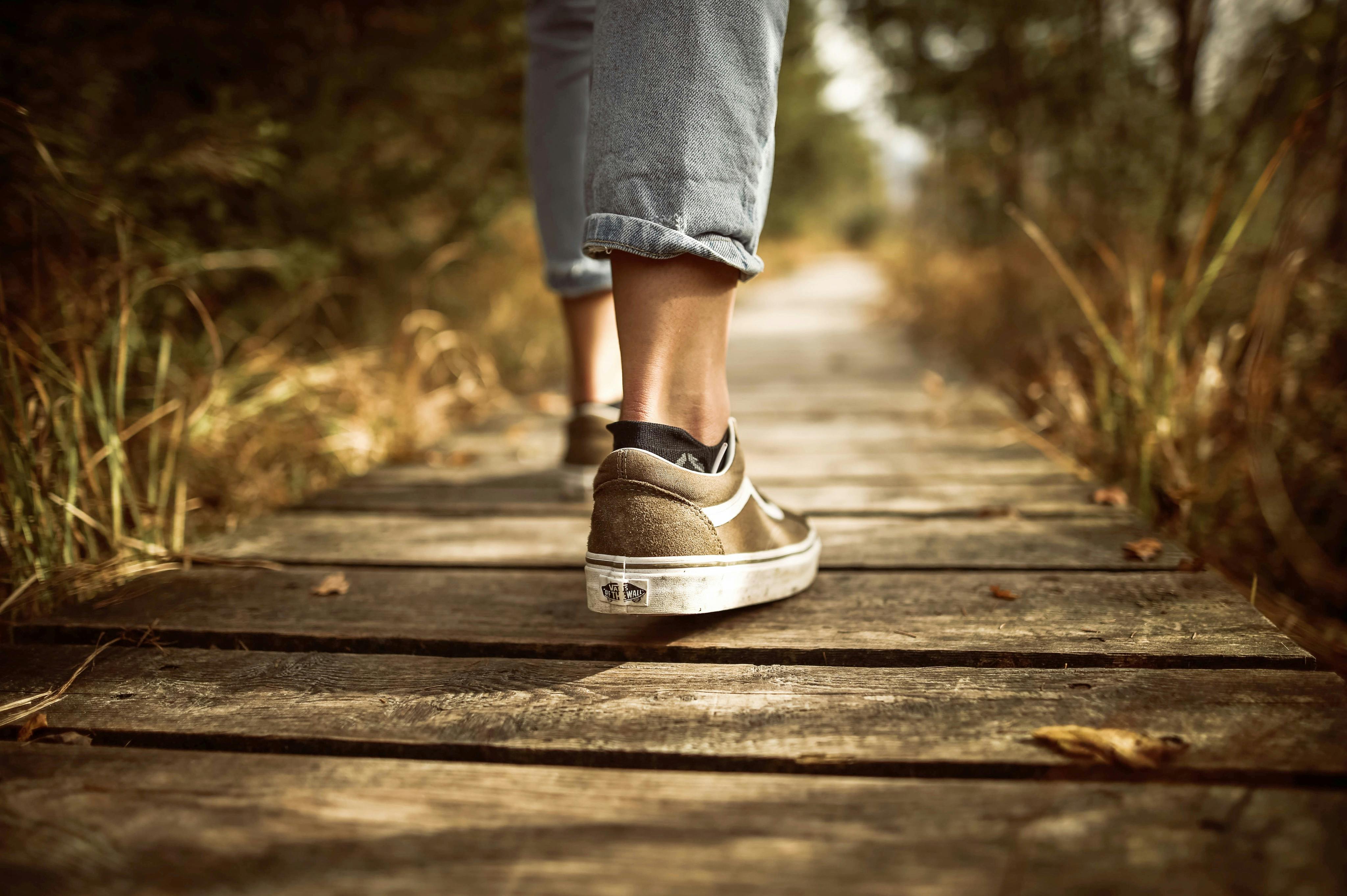
Sometimes that “one step” could be an extra block on a morning walk after the newspaper. For others, it could be making sure they get their Pilates or Yoga classes in each week. Or perhaps it is holding a plank for 5 seconds longer than you did in your last workout. Whatever that “step” is that keeps the body moving is an attribute that empowers a happy, healthy, and strong component of success as we venture into another year of life.
Sean McCawley, the founder and owner of Napa Tenacious Fitness in Napa, CA, welcomes questions and comments. Reach him at 707-287-2727, napatenacious@gmail.com, or visit the website napatenaciousfitness.com.